


As teams reach the final stages of preparations for UAE 2019, the past 10 days saw Asian sides taking on friendly matches across the continent and beyond, with some fine individual and team displays, emotional farewells and tactical challenges. Here are five things we learned from November's friendly fixtures.
Minnows are ready to impress
With the increase to 24 participating teams, including three debutants, the AFC Asian Cup UAE 2019 is set to see a number of minnows testing themselves against the continent’s finest sides, and in the November friendlies those nations showed they are not going to UAE just to make up the numbers.
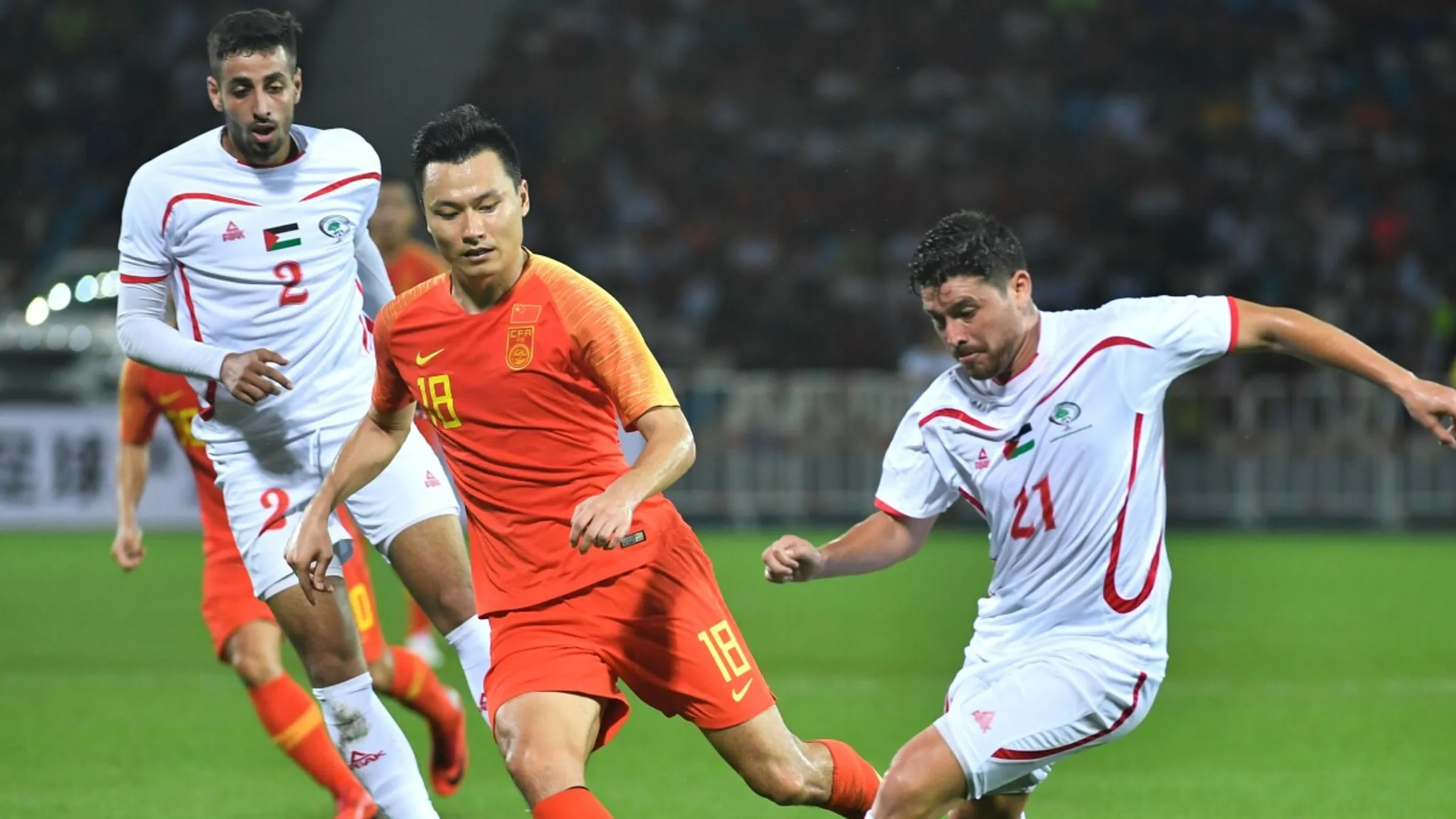
Palestine, who will be appearing in just their second AFC Asian Cup, dominated throughout and earned a 1-1 draw against China PR, having defeated Pakistan 2-1 in the first of their two friendly fixtures this month.
Meanwhile, debutants Yemen displayed some neat possession play even as they fell to 1-0 and 2-0 defeats to powerhouses Saudi Arabia and the UAE respectively.
Qatar stepping up to the next level
The 2022 World Cup hosts are ranked 96th in the most recent FIFA ranking and have never made it past the quarter-finals in the AFC Asian Cup, but their recent performances offer a lot of reasons for optimism ahead of UAE 2019.
The Maroons, made up largely from the two 2018 AFC Champions League semi-finalists, Al Sadd and Al Duhail, have lost just one of their seven friendly matches this year, defeating the likes of China PR and Ecuador earlier in 2018.
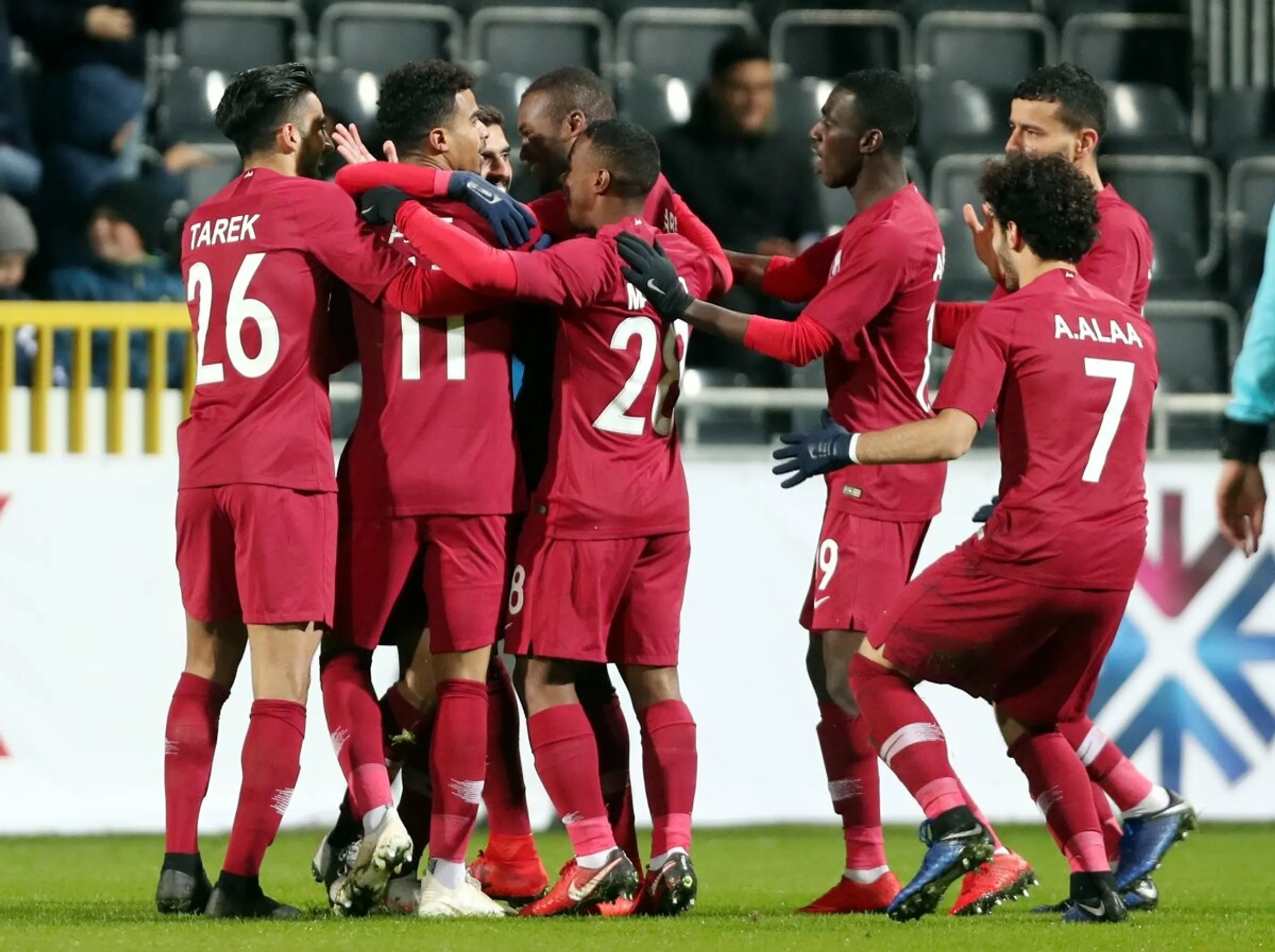
But the latest round of friendlies saw them camp in Europe, where they recorded a famous 1-0 win over World No 8 Switzerland, thanks to a defensive masterclass and a late Akram Afif strike. Five days later, Felix Sanchez’s men fought back to earn a 2-2 draw against 2016 UEFA Euro quarter-finalists Iceland.
Cuper yet to find magic Uzbekistan formula
Three months into his reign, Hector Cuper’s Uzbekistan continue to blow hot and cold. After a largely successful October when they bagged two wins, scoring four and keeping clean sheets against DPR Korea and Qatar, November painted a different picture.
The White Wolves continued their policy of facing only Asian teams in preparation for the continental showpiece in January, but this time they failed to score a single goal in their two friendlies.
The Argentine coach, known for his defensive methods, would have been somewhat encouraged by his side keeping a third consecutive clean sheet in the goalless draw against Lebanon on November 15, but the 4-0 reversal against Korea Republic on Tuesday will leave Uzbekistan with many questions unanswered ahead of their Asian Cup opener with Oman on January 9.
International ducks broken
Even as teams reach the final stages of their preparations for January, managers continued to inject fresh blood into their line ups, and in many cases their faith was repaid with goals.
Saudi Arabia’s 21-year-old Abdulrahman Ghareeb capped off his full debut with his first international goal, scoring the winner in the Green Falcons’ 1-0 victory over Yemen. US-born Nazmi Al Badawi impressed for Palestine, sweeping in from outside the box for a debut goal against Pakistan. And Australia’s Martin Boyle marked his first start with a brace in Tim Cahill’s farewell match against Lebanon.
The above trio may have got on the scoresheet on their full debuts, but it would have felt just as special for another pair of players to break their international duck. Defender Hiroki Sakai, 28, scored his first Japan goal in his 49th appearance - the 1-1 draw against Venezuela.
Jordan captain Amer Shafi was the most unlikely of scorers. The 36-year-old goalkeeper’s long ball from his own area tricked his counterpart Gurpreet Singh to give Jordan the lead in their 2-1 win over India. Shafi’s goal came in his 139th appearance.
More of the same for the hosts
The UAE’s attacking stats under Alberto Zaccheroni make for grim reading. Since the start of 2018, the Whites have scored five goals in 10 matches, all but one against opponents below them in the FIFA ranking.
The Italian tactician made the switch from five at the back to a 4-3-3 system, but defensive solidity remains the foundation of his playing style, with three holding midfielders present at all times.

Injuries to talisman Omar Abdulrahman and his understudy Khalfan Mubarak forced Zaccheroni to utilise pacey wingers Ismael Al Hammadi and Saif Rashid. The two combined to give the UAE the lead through Rashid’s first international goal before Ali Salmin added a second.
It was only the second time the UAE scored more than one goal in their last 10 games, but it was also their sixth clean sheet in the same run, a clear sign of how the Whites plan to take on Asia in January.
Related News
- AFC Asian Cup
Bento happy with Korea Republic's progress
- AFC Asian Cup
Wins for UAE and Syria, IR Iran stay unbeaten, Jordan hold Saudi Arabia as Iraq draw too
- AFC Asian Cup
Winning farewell for Cahill, Japan, Korea Republic stay unbeaten, China PR held
- AFC Asian Cup
A new era
- AFC Asian Cup
Pride of Asia: The Early Years
