

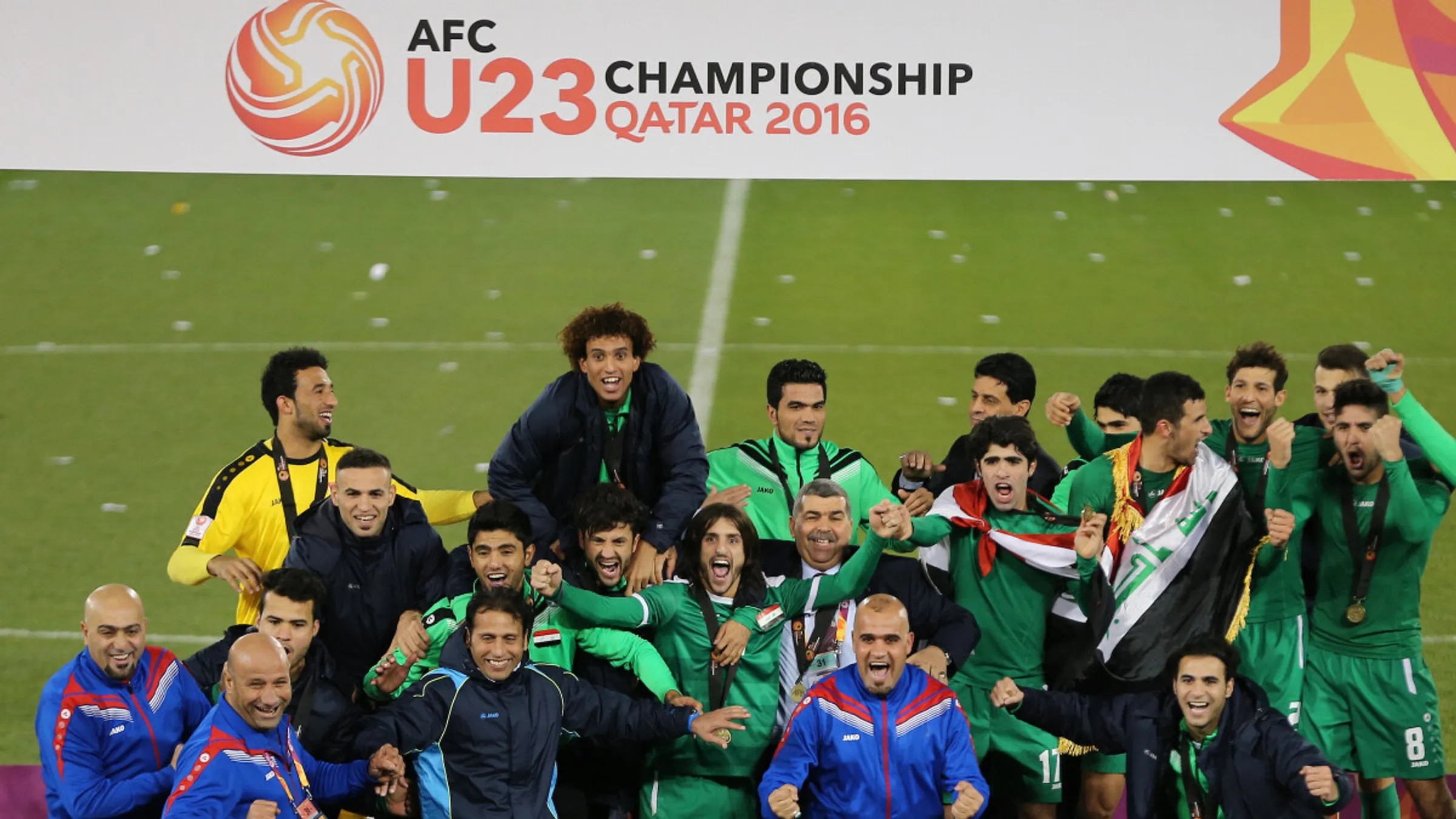
Midfielder Bashar Resan was part of the squad on both occasions, and at just 21-years-old, he is still eligible to represent the Lions of Mesopotamia in China 2018.
In the inaugural event held in Oman, Resan was the youngest member of coach Hakeem Shaker’s squad, making his first appearance as a late substitute in the 3-0 opening match win against Saudi Arabia.
It was two years later in Qatar that the former Air Force Club player made his name as a key member of the side, playing in all matches as Iraq marched into the semi-finals before losing to eventual champions Japan. Resan fondly recalls the tournament.
“I represented Iraq a lot in the various age groups, especially the U23s, but the AFC U23 Championship is a very difficult competition, with strong teams. Especially the East Asian sides,” said the midfielder.
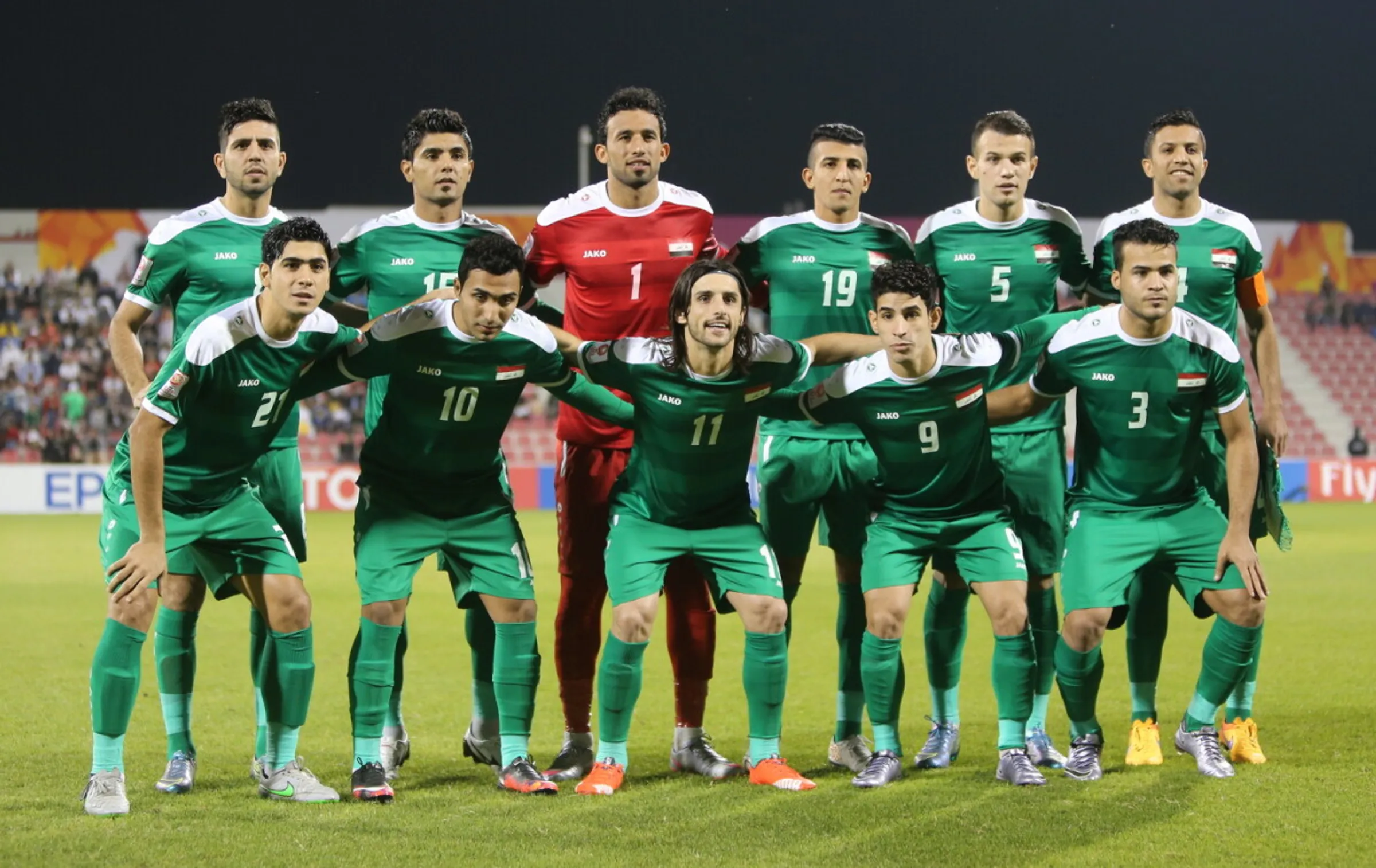
Iraq’s first encounter against East Asian sides would come against Korea Republic in the final Group C match. Both teams had guaranteed qualification to the quarter-finals by then and it was head-to-head to decide who tops the group.
Abdul Ghani Shahad’s men had started their campaign with a 2-0 victory over Yemen, courtesy of two first-half goals from Ali Faez and Ali Husni, before coming from behind to defeat Uzbekistan 3-2 in the second match to seal their place in the next stage.
Against Korea Republic, the Iraqis left it late as Amjad Waleed’s added time tap-in cancelled out Kim Hyun’s opener to end the game 1-1. The draw meant the Koreans topped the group on goal-difference and Iraq were to face Group D leaders the UAE in the quarter-finals.
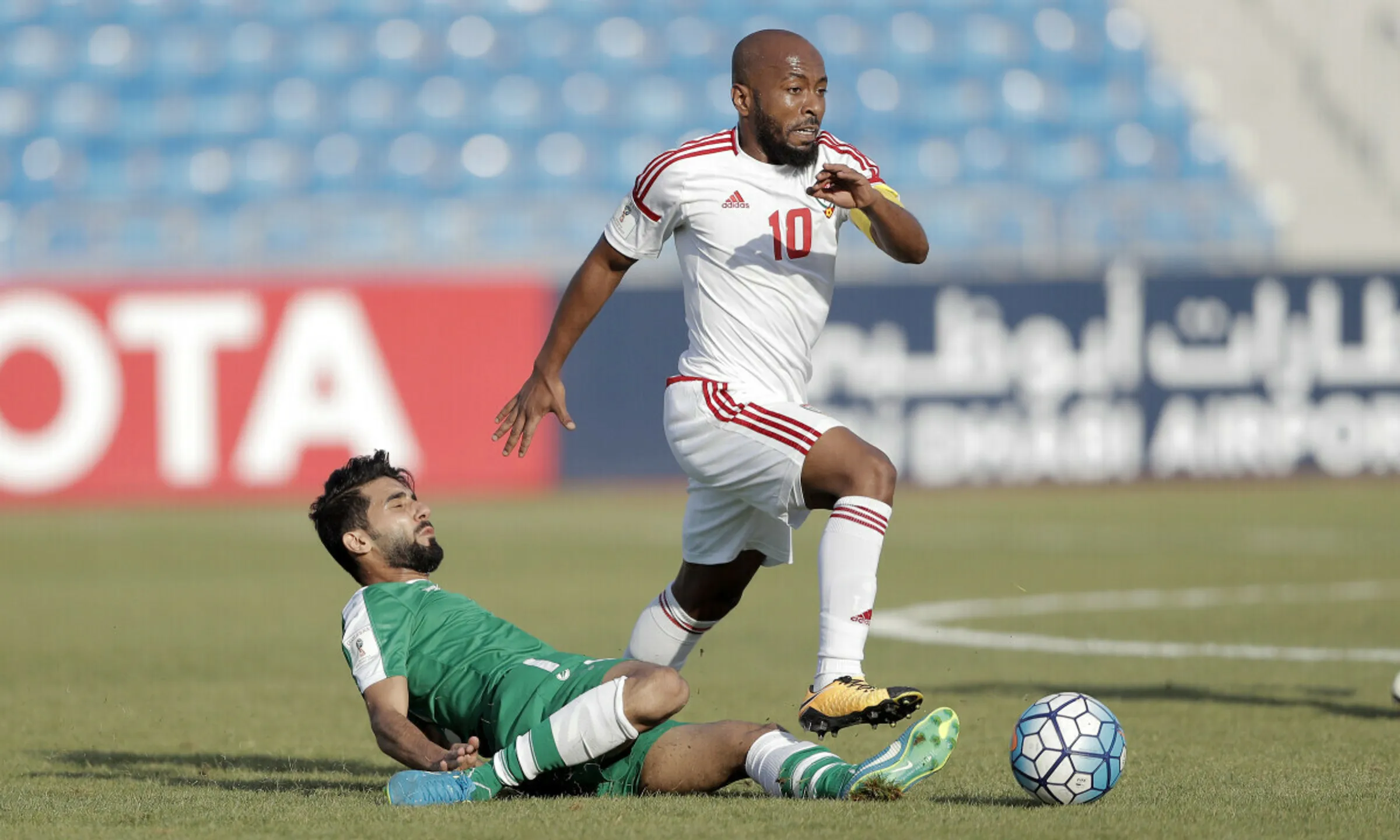
“From then on, there was no room for mistakes. We had to win every game, and all teams had an equal chance of winning the title,” reflected Resan at the challenge of the knock-out stages.
The UAE were led by Khalfan Mubarak and Ahmed Rabia, would-be stars of Al Jazira’s recent run to the 2017 FIFA Club World Cup semi-final. And with 15 minutes left on the clock, the Whites had taken the lead through an Alaa Mhawi own-goal.
Resan and his teammates fought back and got their equaliser within two minutes through Husni to take the game into extra-time. Goals from Mohanad Abdul-Raheem and Amjad Attwan settled the tie for Iraq who joined Korea Republic, Japan and hosts Qatar as the final four.
“We went into the 2016 tournament as the reigning champions, so there was a lot of pressure on us from the fans and media,” the current Persepolis player recounted the challenges that faced Iraq ahead of the Samurai Blues clash.
“Some clubs wanted to hold on to their players for as long as possible, and didn’t release them for the competition until late, which derailed our preparations.”
A place at the 2016 Olympic Games in Rio was up for grabs as Iraq played Japan in the semi-final. Yuya Kubo put the East Asians in front after 26 minutes, before centre-back Saad Natiq equalised with a looping header just before the break.
The Iraqis thought they were headed towards extra-time for the second game in a row when a poor clearance from goalkeeper Fahad Talib fell to Riki Harakawa who fired on the half-volley from the edge of the area in injury time to send Japan to the final and end Iraq’s title defence.
There would still be a chance for Resan and co to leave Doha on a high as they faced hosts Qatar in the third-place play-off with the winner earning a place in Rio alongside Japan and Korea Republic.
“We were really close to winning the title, but lost the semi-final to Japan in the dying moments. It was heartbreak, but we were determined to win the last match.”
Qatar’s young stars, most of whom products of their renowned Aspire Academy, were the overwhelming favourites to make it to Rio. And in front of a buzzing home crowd, they took the lead through Ahmed Alaa half an hour into the match.
Once more, the Lions of Mesopotamia showed grit and determination to bring the game level as Abdul-Raheem headed home four minutes from time.
Extra time ensued and it was another header, this time from Ayman Hussein that stunned the hosts before heroic goalkeeping from Talib ensured Resan and co were headed to Brazil the following summer as the Iraqis won the Bronze medal in a largely positive campaign.
Two years on, Iraq travel to China with a second title on their agenda. And Resan believes there are a lot of positives to draw from as he remains optimistic about the prospect of a third continental medal.
“We go into the 2018 edition under the same coaching staff which led us to third place in 2016. We also have a lot of talented young players, and many of them are preparing by playing in the Gulf Cup. I am hopeful we will compete for the title this time around.”