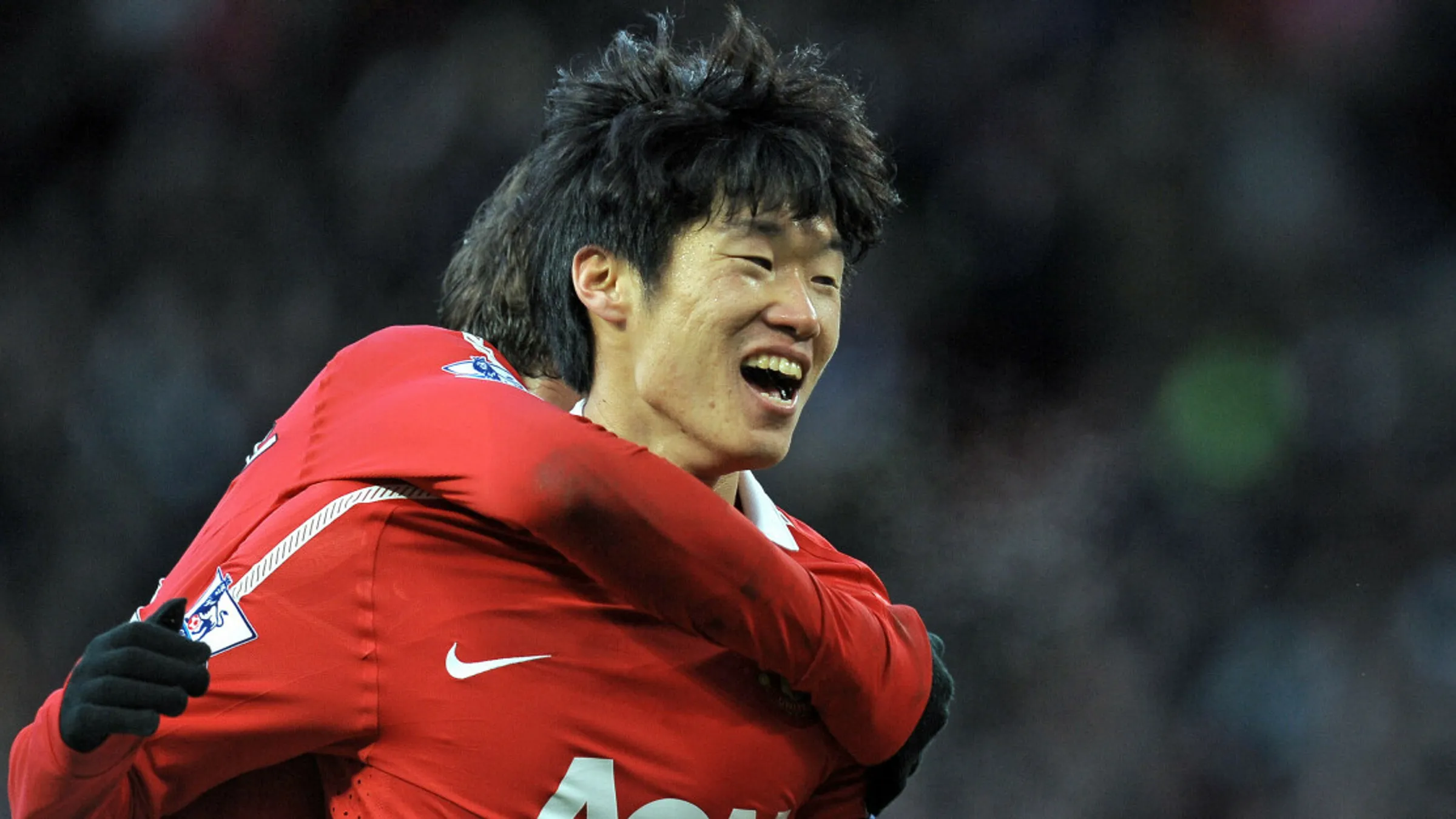
A year after that, the Dutch coach persuaded him to follow his footsteps to PSV Eindhoven, where his performances prompted Sir Alex Ferguson to recruit him in 2005. During seven seasons at Manchester United, he became the first Asian footballer to play UEFA Champions League finals – though two defeats by Pep Guardiola’s Barcelona signified a bittersweet experience.
With the Korea Republic team he played – and scored – at three successive World Cups and captained the side in South Africa in 2010, as he racked up 100 appearances. In the meantime, his talent, athleticism and work ethic had earned him the nickname of Three Lungs and such a deep-rooted place in hearts at Old Trafford that, after hanging up his boots, he was invited to play his current role of global ambassador for Manchester United.
He is, of course Park Ji-sung and he speaks exclusively in the latest edition of the AFC's Coaches Circle.
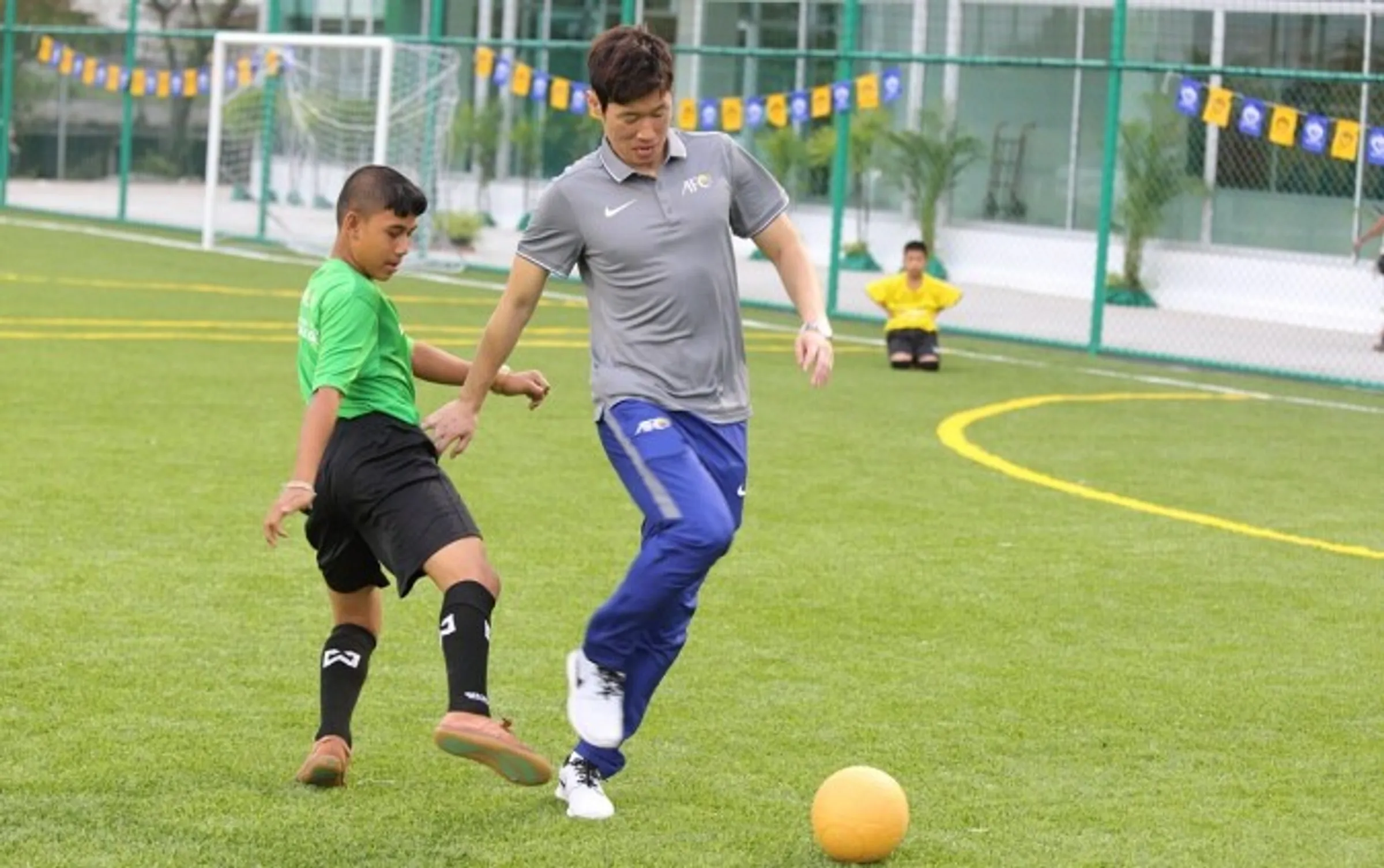
You reached the peak of the professional pyramid, but you are now also active at the base of it thanks to your JS Foundation. How much importance do you give to grassroots football?
If you want to be a good coach or a good footballer, you have to start at grassroots level. That’s where you build foundations. That’s where the roots of the tree are. You can’t see them, but they are absolutely vital. So, if you want to improve your players or develop them to a high level, the grassroots game is so important. Everything starts from there. And if you can organise proper grassroots football, you have greater opportunities to produce good players.
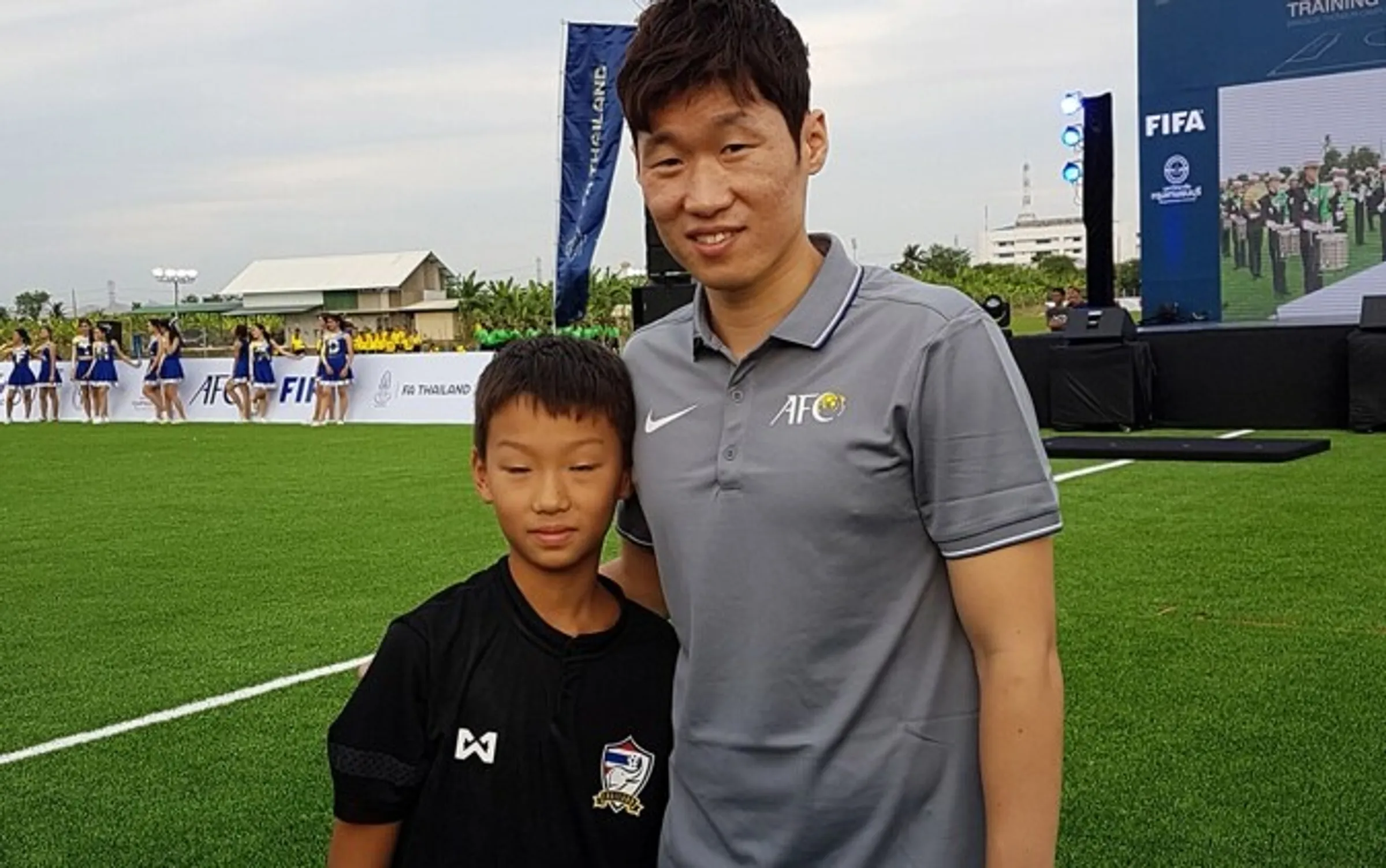
At my Foundation, well, on the football side we organise tournaments and give young people opportunities to play. And when we see somebody with a talent that can be developed, that’s when we try to help them with a scholarship. The emphasis is on football, of course, but we also offer encouragement to young people engaged in other sports, such as baseball, basketball, wrestling or even figure skating. Not only young players but also young artists.
Ok, I was a football player. But I also want to help people who have talents in other sports and in artistic areas, like pianists or violinists. Basically, I am a human being – not just a footballer – so the real aim is simply to help human beings develop their talents and qualities, to give them opportunities to help themselves. The message is that if you work hard you can maybe become what you dream about. If you have a talent and you are prepared to work hard to develop it, you can be the person you want to be. It’s not so much about money as about giving them hope.
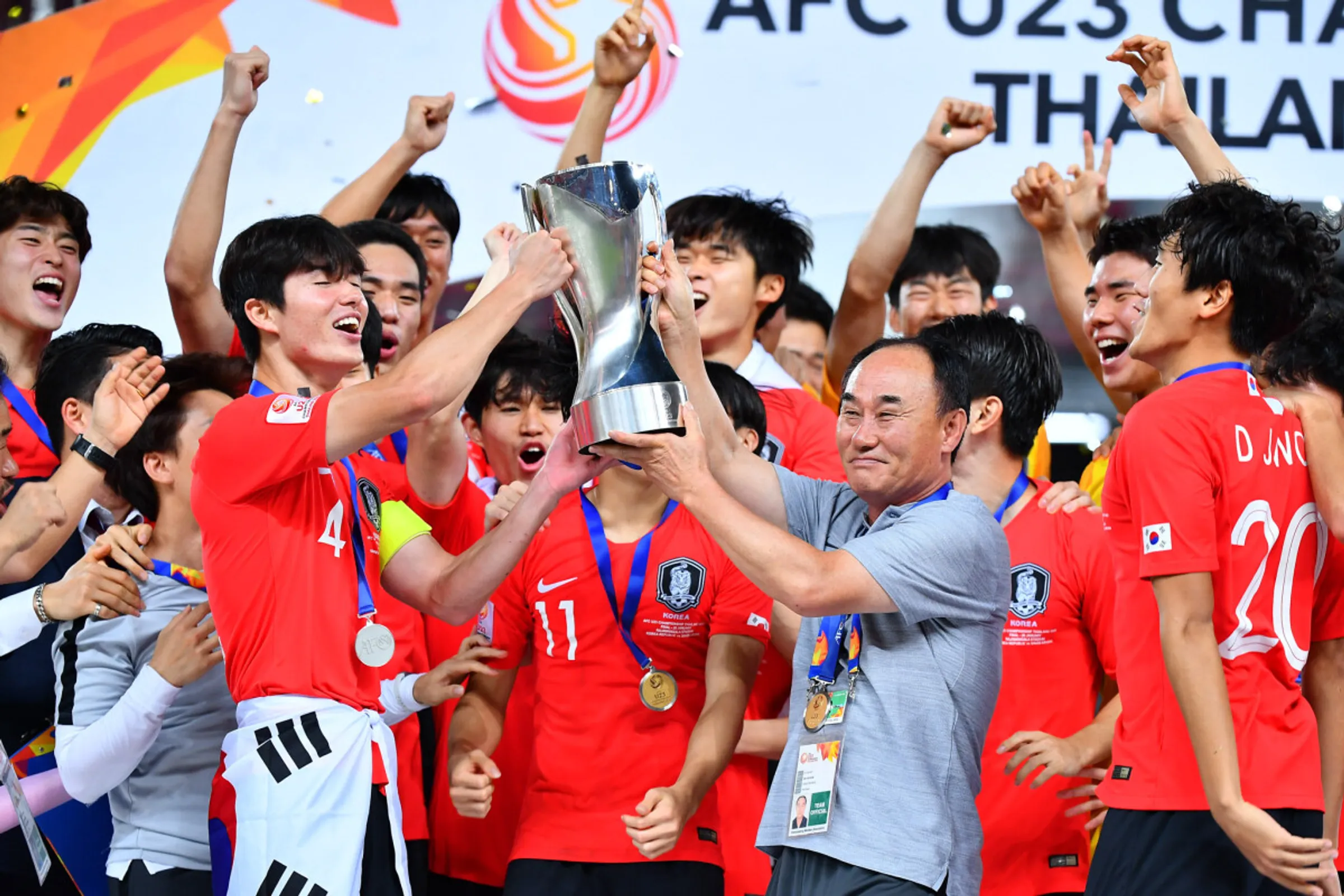
The fans gave you a hero’s welcome when you attended the AFC U-23 Final in Thailand in January – and you were happy that Korea Republic won it. Having been in Europe where there is no equivalent competition, how do you rate U-23 football?
Comparing with Europe is interesting because, over there, they don’t need this tournament. By this age, players are usually first-team regulars at professional clubs in countries where the game is more highly developed than over here. I mean, in the top nations, even the second and third divisions have high quality and are very competitive – which means that the players, by 23, are very experienced and are already expressing themselves as footballers.
In Asia we have a very different situation. It happens quite a lot that talented players, when they reach 21, 22 or 23 are still not getting that many opportunities to play in the first team. That means they don’t have enough chances to compete at high level. So, the AFC tournament for the U-23s is really good for young Asian players because they can get together as a group, train as a group and compete against other nations with different characteristics but a similar level. It is an opportunity to improve themselves and to measure themselves against international opponents. Another aspect is that there are maybe European scouts watching the tournament. And the chance to qualify for the Olympics means that it is very competitive.
How important is Olympic football?
This time it is important to make an impact as the tournament is being played in Asia. In Europe, I realised that Olympic football is nothing like as important as a EURO or a World Cup. But, for players in Asia, it’s a chance to perform on a world stage and compete against opposition from Europe or South America and a number of other countries. It is a great opportunity to see what you have to do to improve yourself.

I remember going to the Sydney Olympics and coming away convinced that I should try to gain some experience in Europe. We played against Morocco and Chile – and their top players were already in Europe. I played against Xavi there, as Spain were the other team in the group. Their level was so high that the experience made me want to compete in Europe, to improve myself and try to reach the same standard. I was determined to try to work hard and see if I was good enough.
We won two of our games and lost against Spain, so we didn’t qualify from the Group Stage. But those two wins had an impact because we wondered what we needed to do to go just that little bit further, individually and collectively. The same applies to today’s young players. They can use the experience to reflect on what they can do to improve, what they would like to do with their career. The Olympic tournament can be a great encouragement.
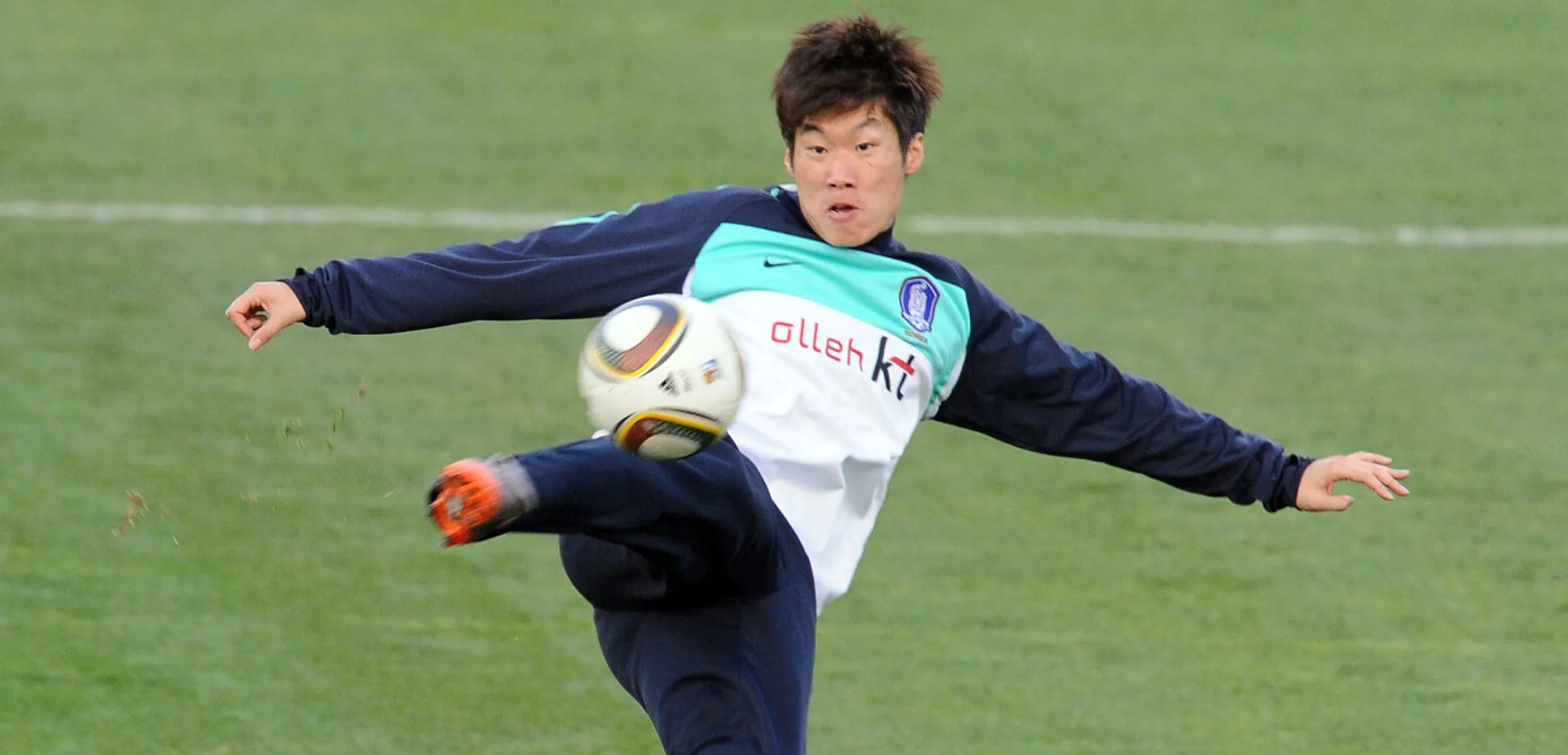
You mentioned European scouts earlier and you were one of the first players to go that way. Is it positive for Asian players to go to Europe – and maybe bring that experience back to their national teams?
Yes, definitely. In Asia, it is a problem to gain experience against footballers from other continents. And the challenge for national teams is to count on players who can compete against other countries. It’s getting more difficult because it’s hard to break into league football. So, when you come to a World Cup and players are short of experience, it becomes a difficult proposition. And that’s the reason why we haven’t made as much impact as we would like at World Cups. It’s lack of international experience. That’s why it’s so positive if we can get players into European football and then bring that knowledge and experience back. It can only be positive for World Cups in the future. That’s a way to bring our level up. And, looking further ahead, they can become coaches and help to develop different mindsets in Asia. So, we’re talking about getting players into Europe and then exploiting that experience if they can become managers in Asia.
Talking about coaches, have you thought about becoming one?
“No! Not at senior level anyway. I’m more interested in focusing on the younger age groups – coaching at grassroots and youth levels. In my career there were two main coaches who influenced me a lot and shaped my development. I’m talking about Guus Hiddink and Sir Alex Ferguson. It was a great privilege to work with them during my career. But they are the reason I don’t want to be a senior coach!”
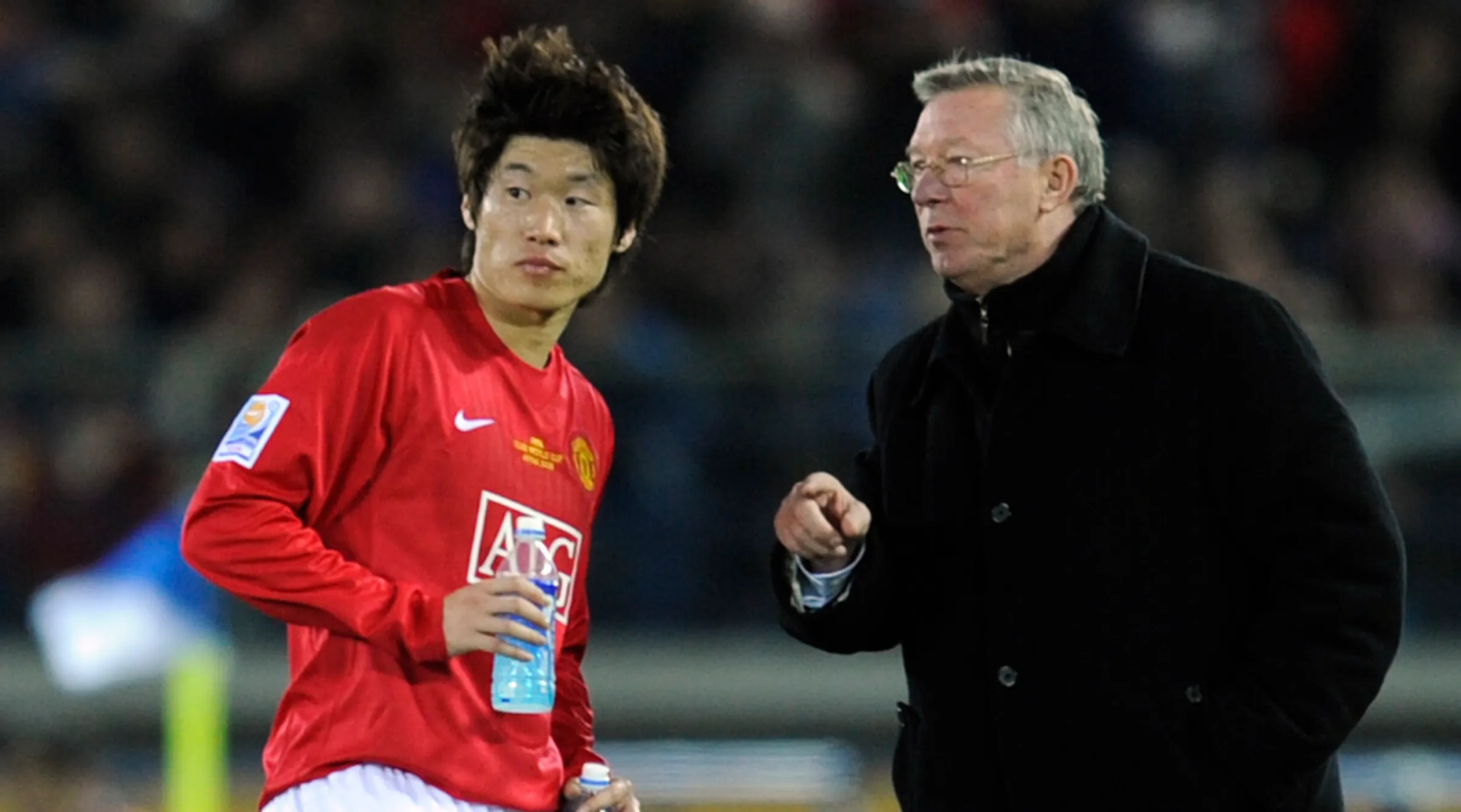
You’ll have to explain that …
Well, Guus Hiddink came to the Korea Republic national team at a time when the mentality among players was just to follow whatever the boss said. Then, when I went with him to PSV, it was totally different. The players were ready to say things to the coach. They had their ideas about the right way to do things and they were prepared to tell the boss he was wrong. That possibility had never crossed my mind! I had grown up believing you had to do what the coach said.
So, this came as a big culture shock. But I soon realised that in Europe it was possible to discuss things with the coach. It was up to the boss to persuade his players that his ideas and methods were correct and convince them it was right to do things his way. Guus was good at that. He persuaded and convinced the players that what he said was logical and correct. So, the key quality for a coach is to have clear ideas and to know how to persuade his players to believe in them.
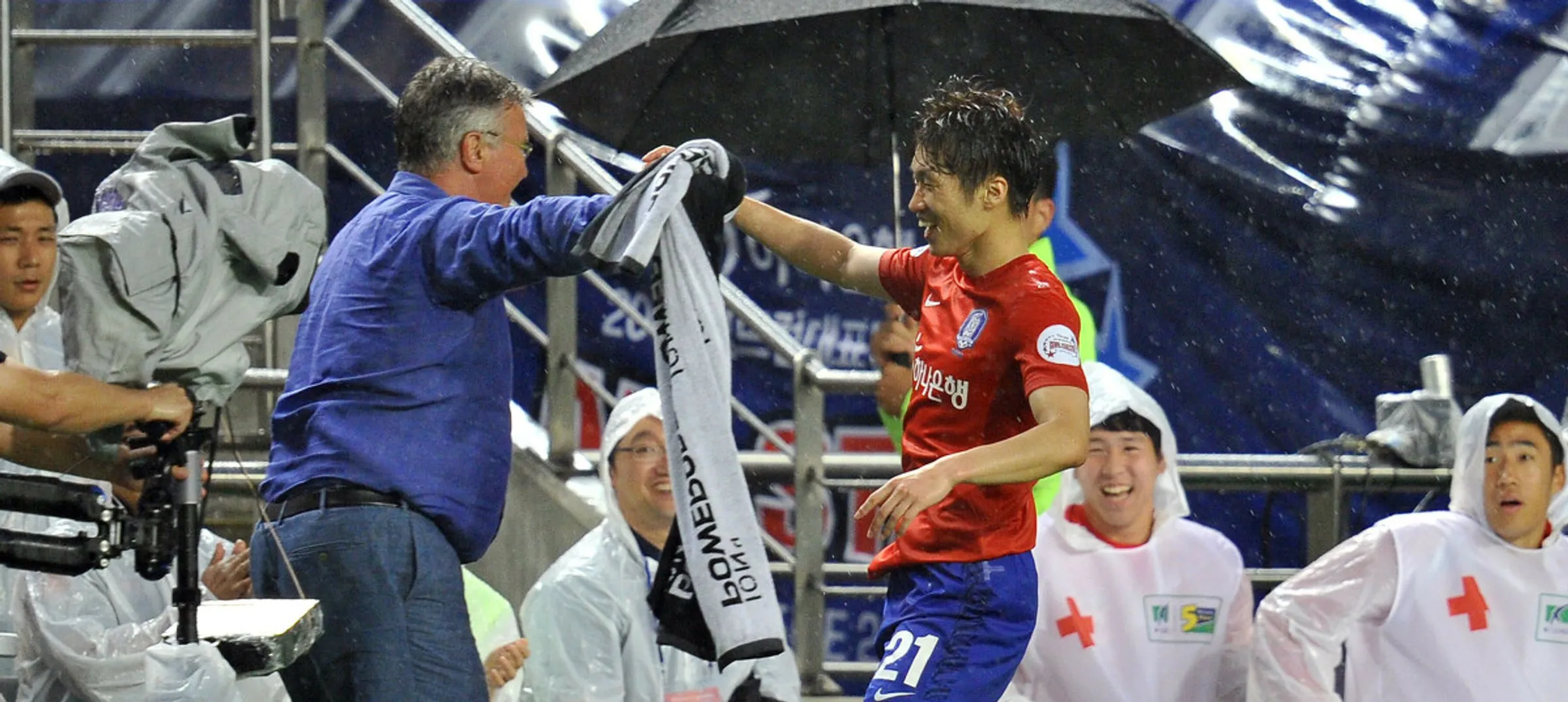
What about Sir Alex Ferguson at United?
It’s true that Sir Alex is a different personality. But not so much as you would think. People remember the stories – you know, the hair-dryer, the boots and that sort of thing. But it was very different inside the dressing-room. I discovered that he was a very kind person who treated me very well and always had a smile. And on the training ground he was quite relaxed – unless he felt that a player was being lazy and needed to wake up. Then it was different. But that’s the way it should be.
Sometimes you need to wake up and sometimes players need to have a kind of tension and intensity in their work if they are going to perform well. He managed that really well. He watched very closely, and he always seemed to find the right time to do the right thing. I mean, he knew when it was time to be kind and he knew when it was the right moment to be tougher. He really controlled the temperature, the tension very well. His timing was excellent.
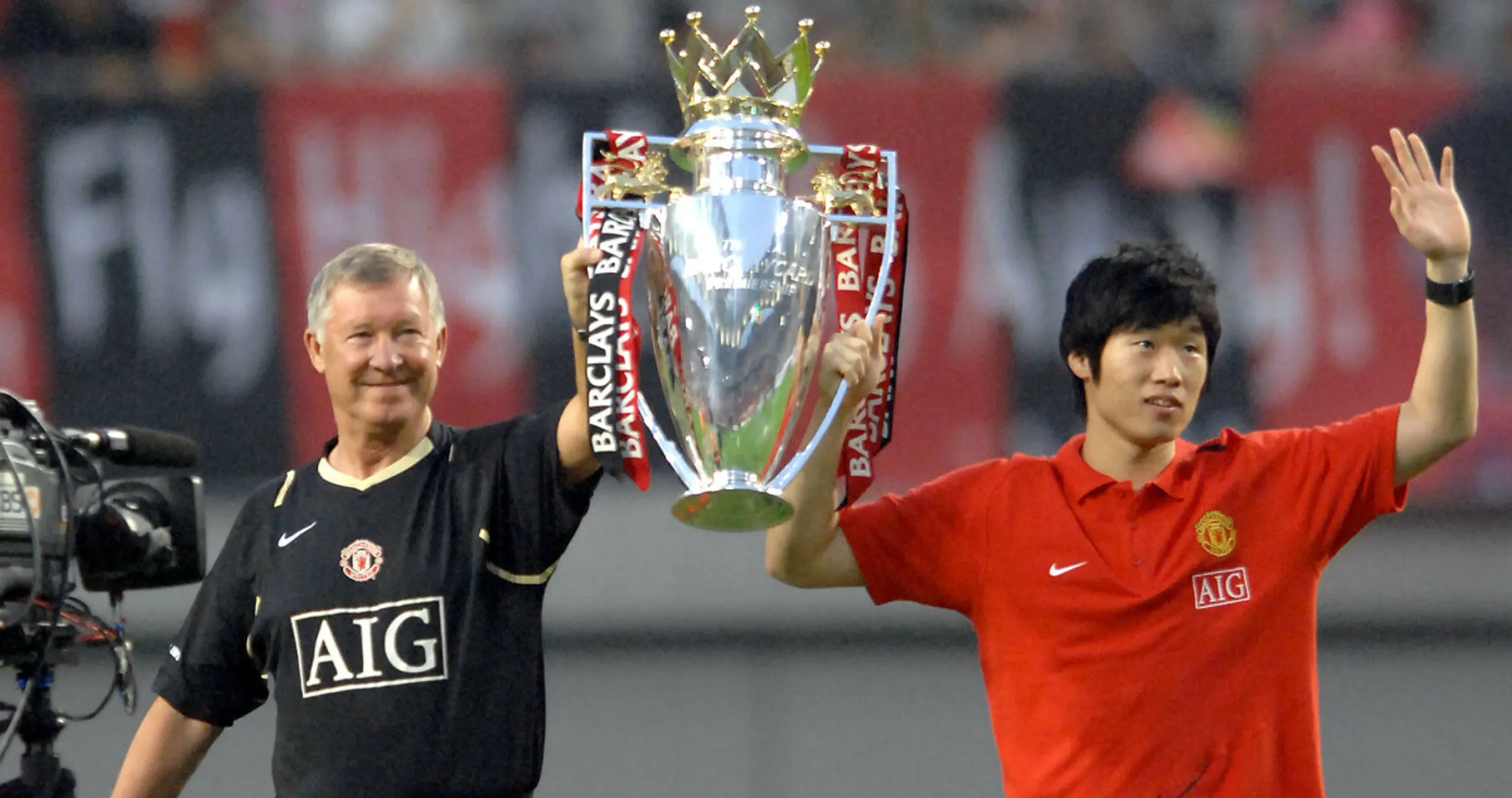
Are you saying that person-management aspects can be just as or more important than technical and tactical knowledge?
Yes. Even if you have a great tactical mind and clear concepts, you cannot implement your ideas if the player doesn’t buy into them. The coach doesn’t play. Out on the pitch, it’s down to the players to execute every detail of what you want. If you cannot communicate your ideas to the players, your skills are irrelevant. That brings us back to the importance of communicating individually with each and every player, as their personalities and learning processes are very different.
It’s not an easy proposition. But if you want to be a top manager, you have to deal with that challenge. You need to mix kindness and anger and you need to have a feeling for the right time to do it. These two possessed really great skills in this – they had the qualities that are absolutely necessary if you want to be a top coach. That’s why I don’t see myself as a coach – I really don’t think I could do that!
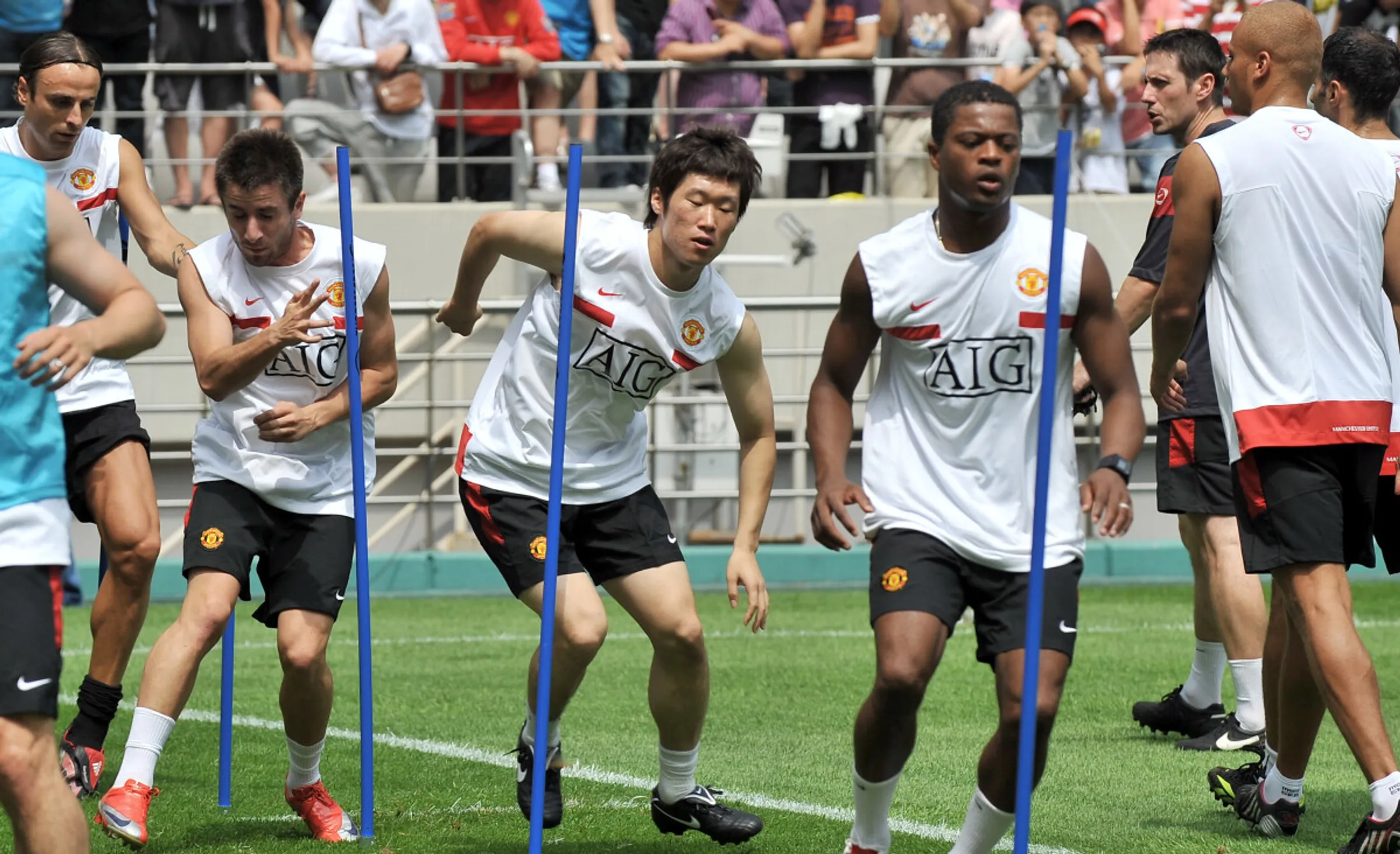
Having played those Champions League finals in Europe, how would you compare with the AFC equivalent?
“First of all, there are the geographical differences. Asia is big, enormous. In Europe it is feasible to compete very often with all the other countries. In Asia, there is still the situation where you compete within the East and West zones and don’t have many opportunities ever to play against teams from the other half. Only in the Final, in fact. So, you have to accept the realities of club football in Asia … eight hours flying, different time zones … it’s totally different from Europe, where you’re talking about flying time of five hours or less and a maximum of two or three hours’ time difference.
“What you can definitely say is that the Champions League in Asia has plenty of room for growth. It’s a young competition, whereas in Europe it dates back a long way and people have accumulated a lot of experience in organising it and playing it. In Asia, there are important issues to address, but it’s becoming more exciting to watch Champions League matches and the level is, I think, improving. We have to work on projecting the competition to a wider public – on TV and, these days, on the internet platforms that allow us to watch almost everything. What we have to do is to attract an audience – persuade fans to look for games.
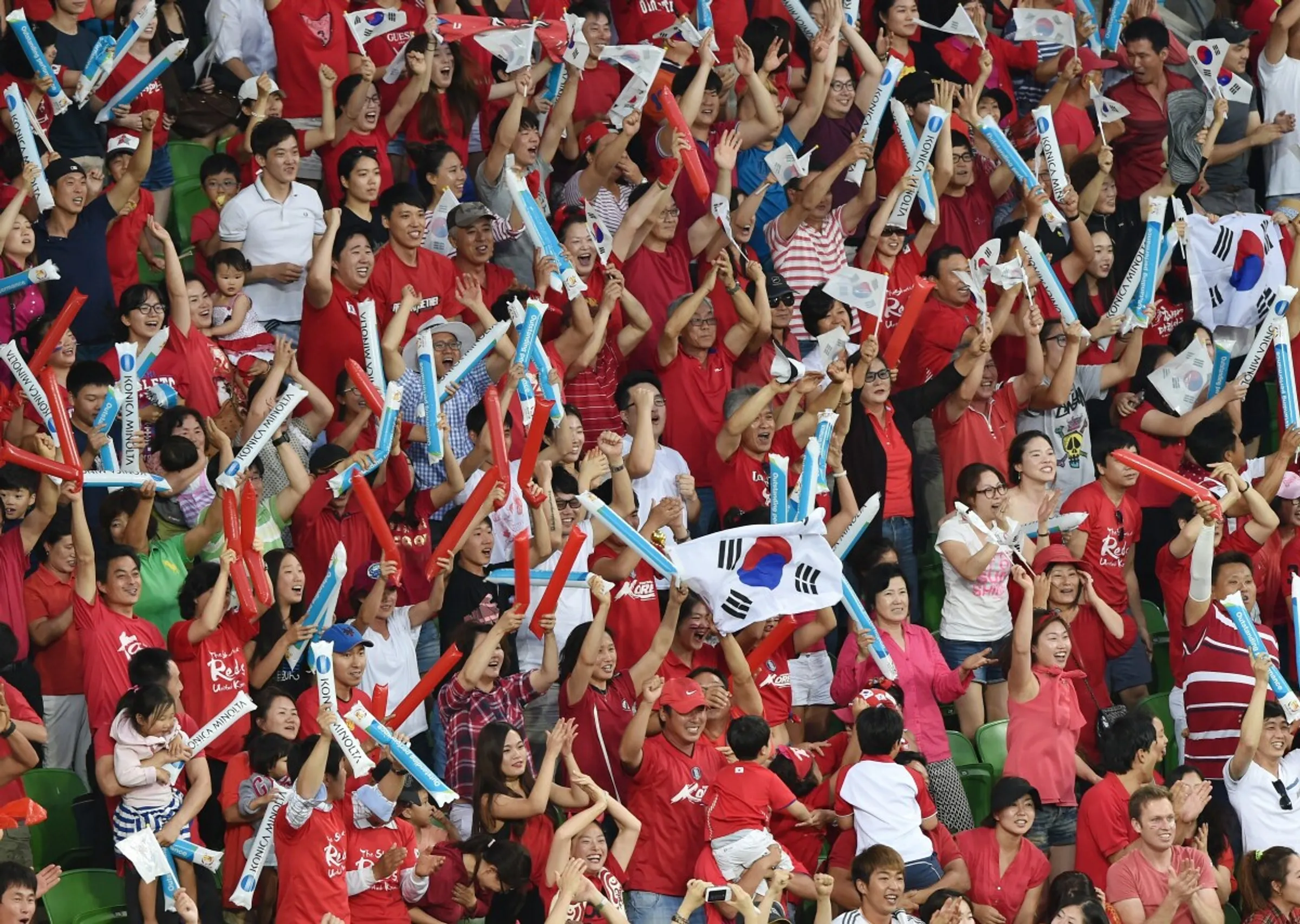
What about national team competitions?
In Asia, there are many clubs who do not have a broad fan base, whereas national teams have a great following and are very, very important. We are steadily improving on the past – and we can see that at World Cups. There are still gaps between us and the highest level, but our results are getting better. As I see it, our challenge is to make sure that our improvement is not only about a small number of top teams who qualify for major tournaments. There are big differences in standards – too big – and the key to the future is to help the smaller countries to improve and to become more competitive. The problem is that there are so few opportunities to meet top-class opposition from other continents. It is difficult to arrange matches against, say, Brazil or Argentina. So, if we cannot expose our players to the top nations from elsewhere, we have to find ways of improving ourselves and becoming more competitive within Asia. Our objective must be to reduce the gap between top and bottom.
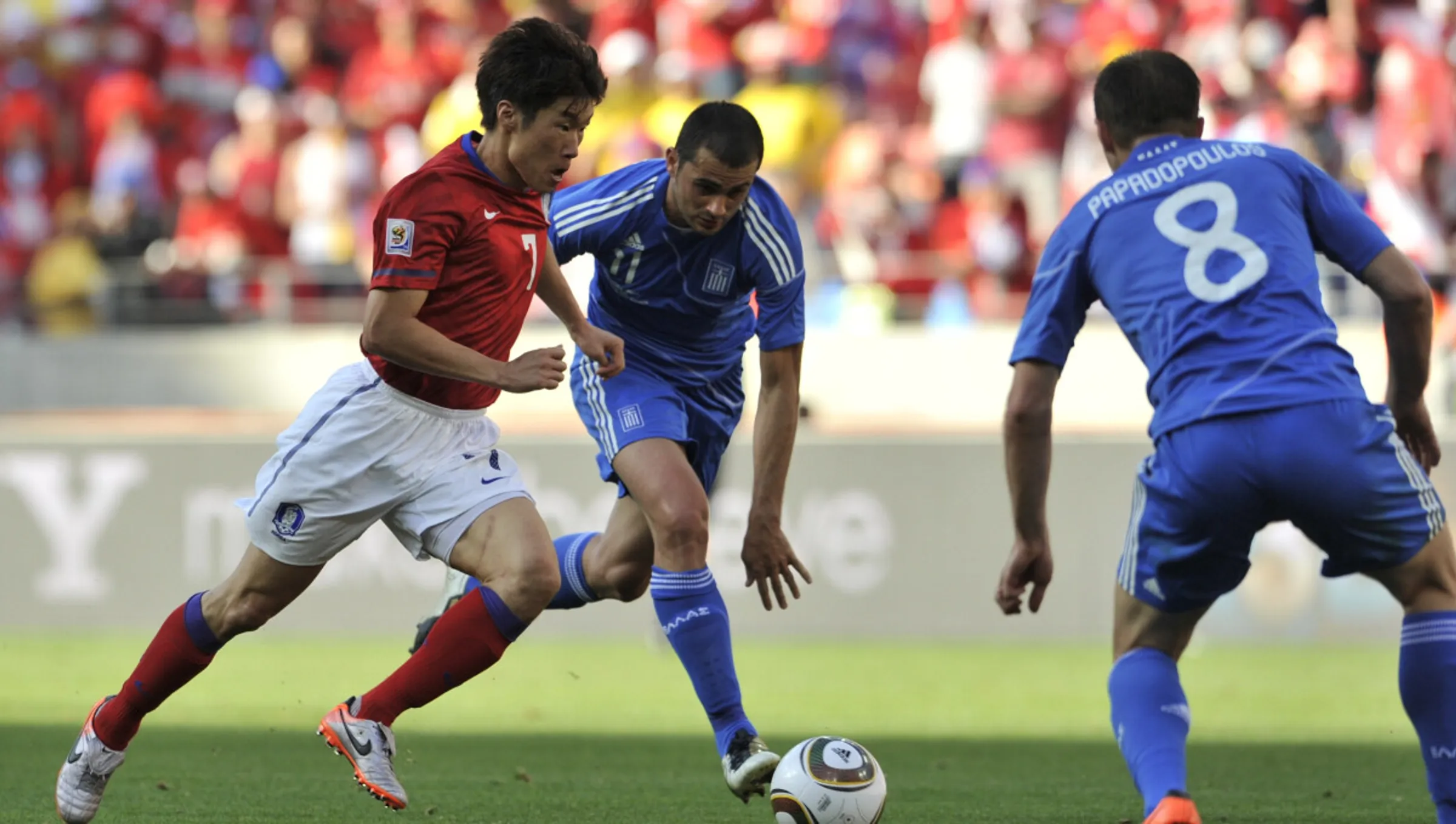
One of the positive things is that when we talk about football in Asia, we talk about a lot of different footballing cultures. So, we can learn from each other and make good use of the variety we have. Another issue is to attract supporters into stadiums at big events like the Asian Cup. OK, the host country usually has a good following. But we need to encourage the fans to watch other games, persuade them that football is an attractive game to watch – not just their own club or national team.
In Europe, football is a culture. When people go to school or work, they usually talk about football at some point. We must try to promote that sort of football culture. For example, if England were to host a EURO, the public would be interested in all the games. They would go to watch Germany or Italy … because they love football. We need to implant the same sort of culture in Asia. Of course, that also means playing attractive football with real quality, so that people enjoy watching it. The question is how to achieve that. Because it is not a short-term project. It is probably a very long-term process. So, we have to think about how we can reach that goal. Coaching has a big role to play in this. If you don’t have good coaching, it’s difficult to play good football – the sort that will attract the public. It means that we also have to educate coaches who can perform well in this area. That’s why coach education is so important from grassroots level right up to the national teams.
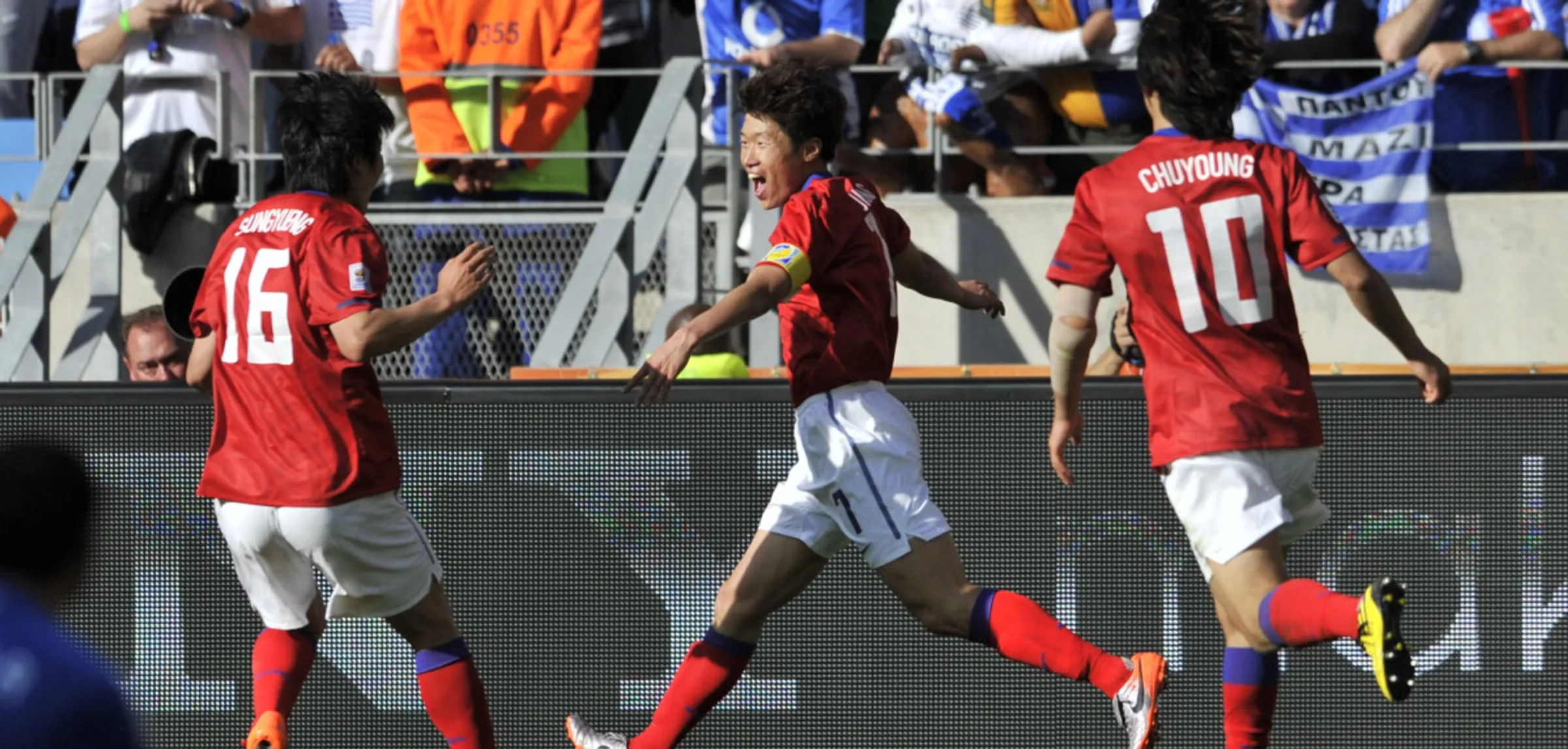
The reception you received at the AFC U23 Championship final in Thailand underlined your status as an idol and role model. Which other Asian players would come into that category?
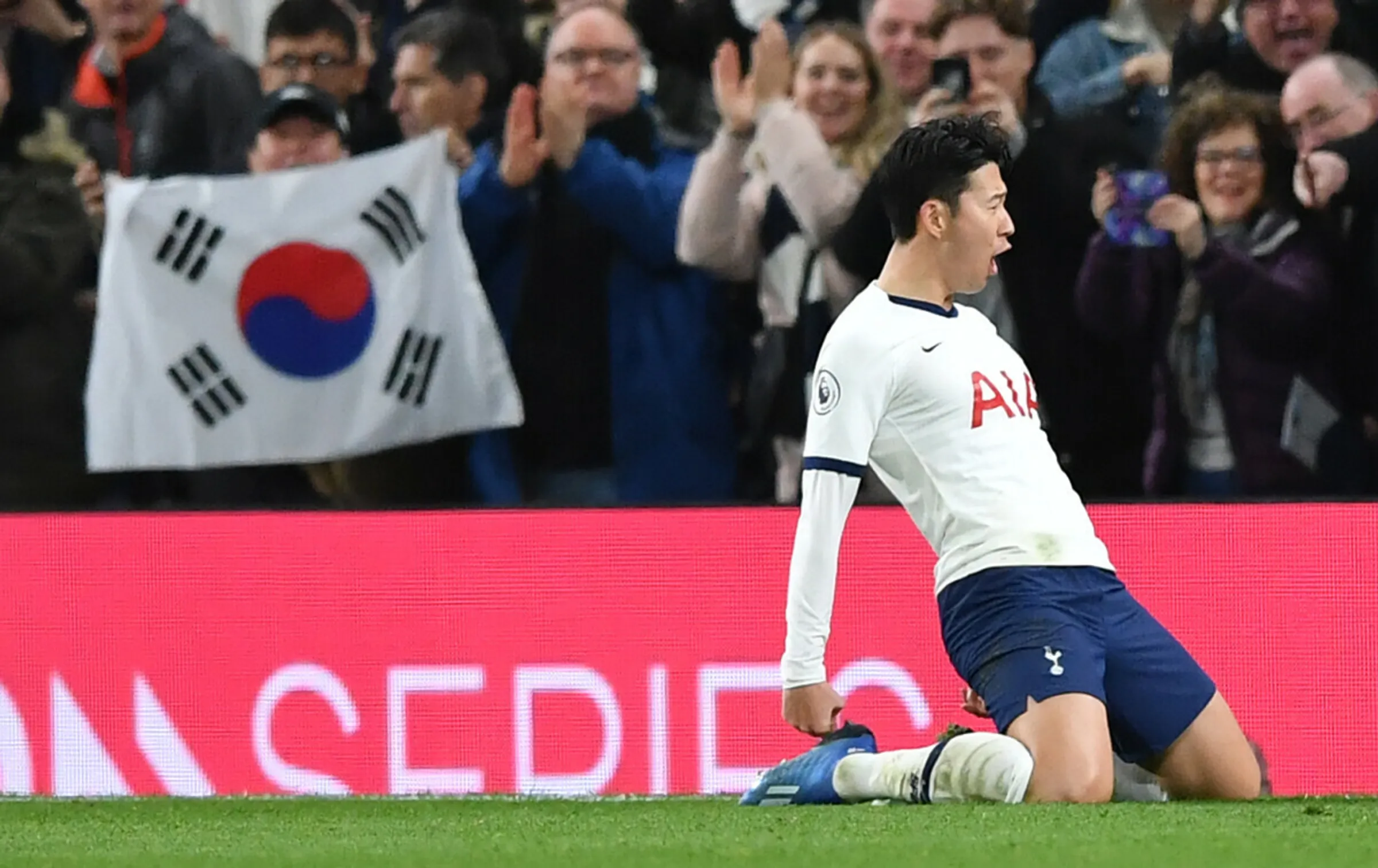
At the moment, I don’t think we need to look further than Son (Heung-min) – I think most people agree that he is a role model. He has been playing very well in the Premier League, proving that Asian footballers can be among the top, top players in the world. It makes a huge difference because young players now dream of becoming one of the best players in the world – not just one of the best players in Asia. He gives hope and motivation to all Asian footballers.
What are your ambitions for Asian football?
Winning a World Cup would be an amazing success. But it takes time. A lot of people shake their heads and say, ‘it’s not possible’. But I can’t identify with that attitude. You have to believe. If not, it won’t happen. You need to believe and work hard to make it happen. It’s our dream. But dreaming is not enough. We must plan to try to make that dream come true. We mustn’t forget that the Netherlands have never won the World Cup. They have wonderful players, some of the best coaches in the world but they are proof that it’s not easy at all. It’s not impossible because we have some very talented Asian footballers. But we must improve our average level. We must be more competitive across the board – not just in a select few countries.
Click HERE for the fourth issue of the Coaches Circle.
Photos: AFC, AFP
