To help us examine the contenders in our Asia’s Greatest Serie A Players poll, we’ve enlisted Cesare Polenghi, an Italian born and raised, Japan-based football columnist and pundit, and the former Managing Editor of Goal Asia.
While every player on our list had memorable moments in the Italian game, Polenghi believes few had such a profound impact as Japan’s Hidetoshi Nakata, whose vast skillset adorned five different Serie A clubs from 1998 to 2005.
As a member of a star-studded 2000-01 AS Roma outfit, Nakata is the only Asian player to have won the Scudetto, making the three-time Ballon d’Or nominee one of the standout nominees.
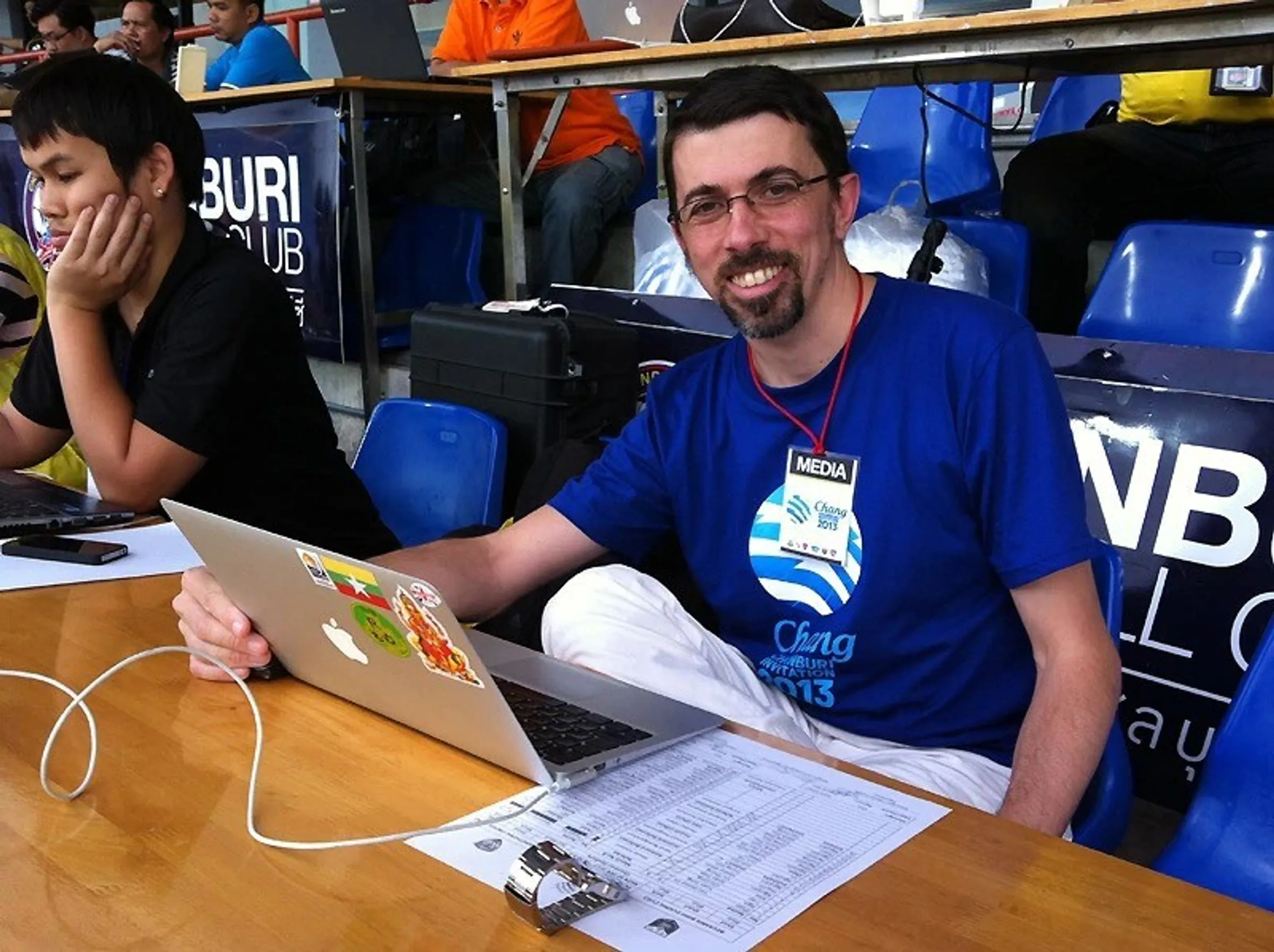
“As a player, Nakata was fantastic,” Polenghi told the-AFC.com. “His vision, his first touch, his passing skills, his athleticism, his capacity to read the game. He was really world class.
“His first year at Perugia was amazing. In his debut he scored two goals against Juventus. That’s quite remarkable. Then he won a title at Roma, and he really participated.
“He scored one crucial goal and gave half an assist in the decisive game against Juventus, then (the following season) for Parma he scored a decisive goal in the Italian Cup Final, against Juventus.

Asia's Greatest Serie A Players
“So, twice, in two different clubs, he scored decisive goals that led to lifting trophies, and in both cases against the greatest team in Italian football history.
“I think that alone has to put him up there as one of the great, not Asian players, but foreign players who have been in Italy.”
He may have been thousands of kilometres away from his birthplace, but Nakata appeared very much at home among the many world class players in the league at the turn of the millennium, and his impact in Italy awakened many in Europe to the wider potential of Asian footballers.
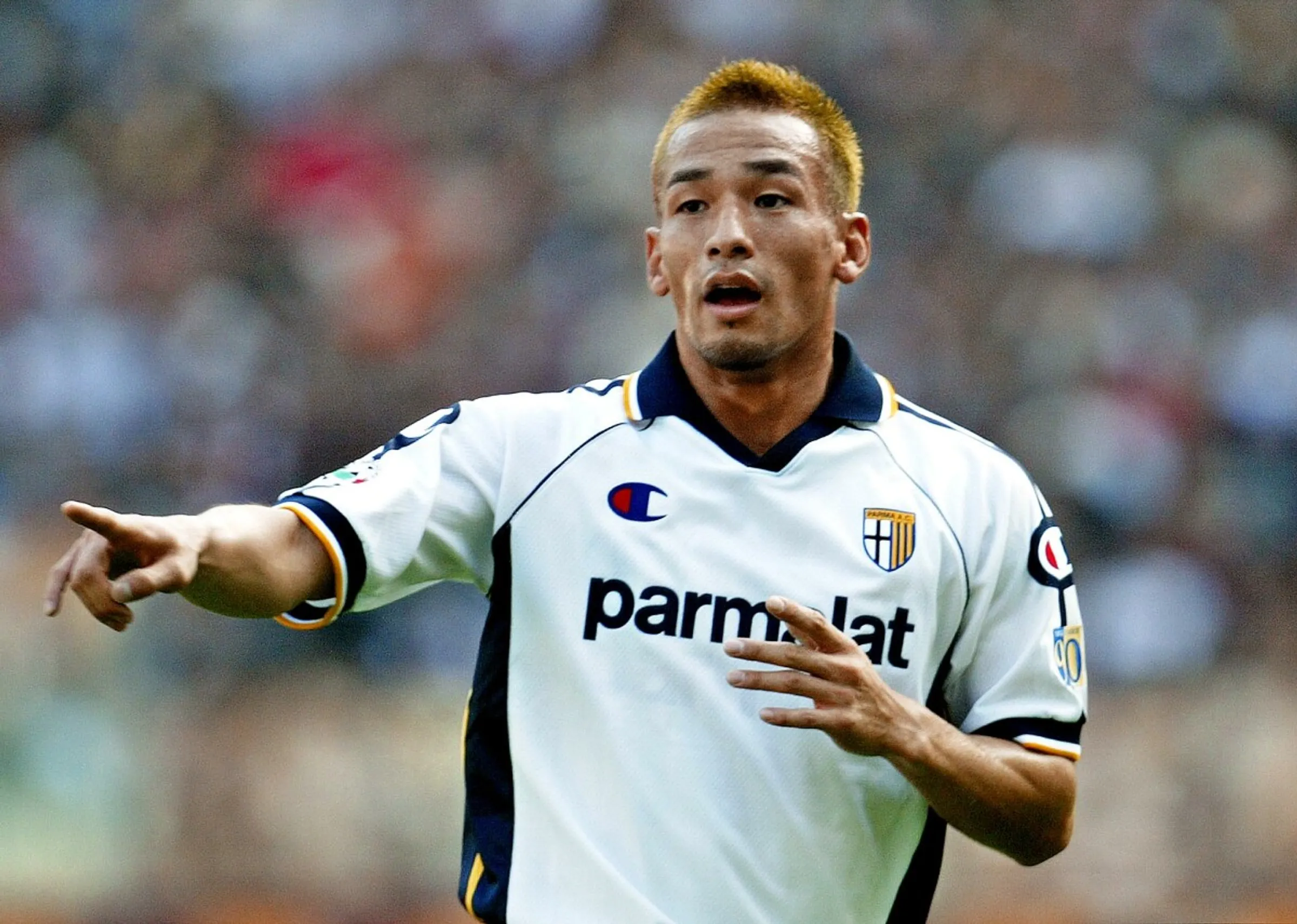
While Polenghi believes Nakata ultimately lost the hunger to perform at the very highest level – as evidenced by his retirement at the age of just 29 – he nonetheless rates the star midfielder among Japan’s greatest footballing exports.
“There are quite a few games when he was at Perugia or Roma that are still in the fans’ eyes,” he said. “He was really a world level player. Not only Serie A; he’s guy who could have done great in the Champions League. It’s just that his fire burned out after those two or three seasons.
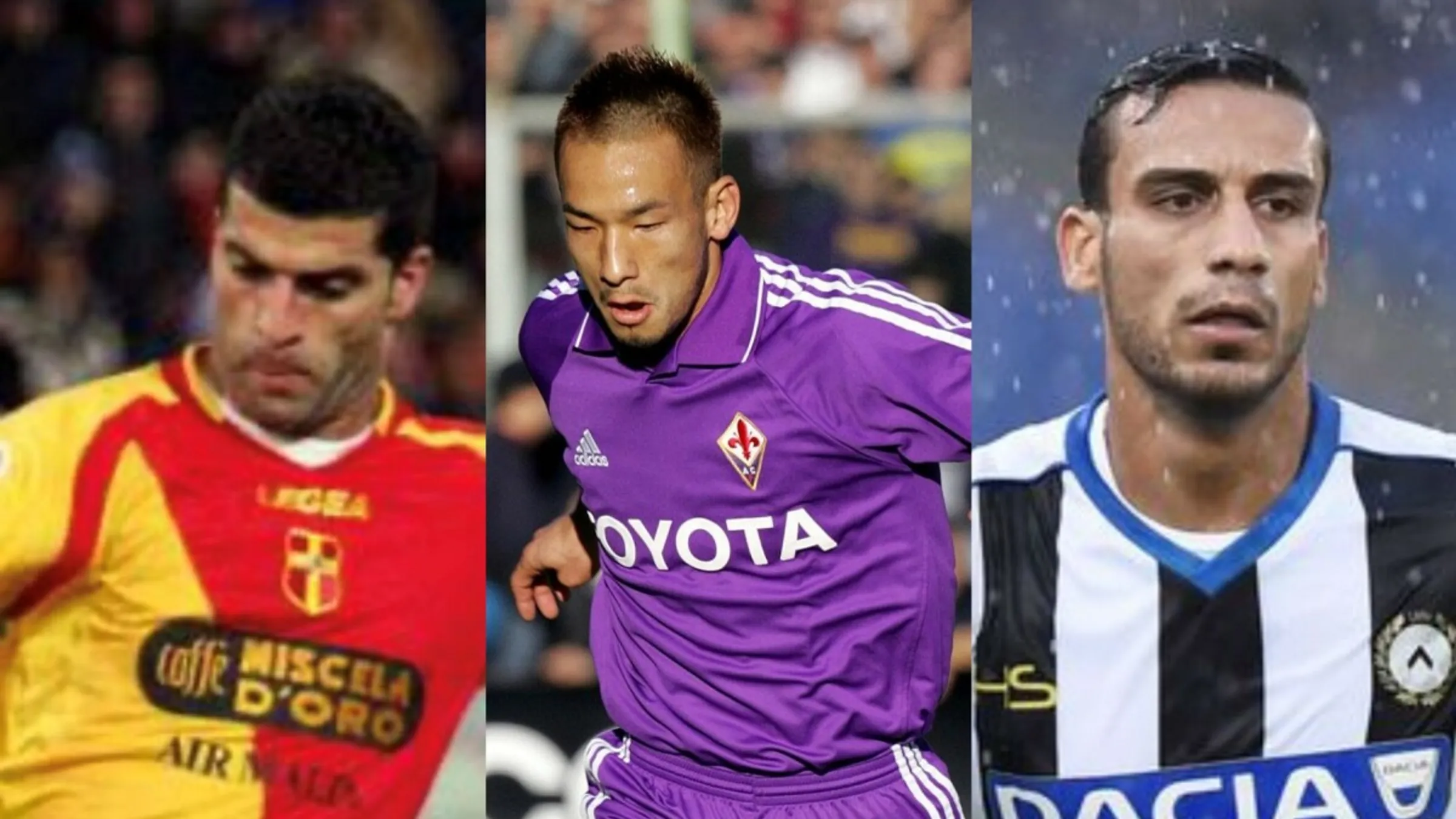
“To me he is, together with (Shinji) Kagawa and (Shinji) Ono (pictured below), as the greatest Japanese players ever. To me he is superior to (Shunsuke) Nakamura and (Yuto) Nagatomo.”
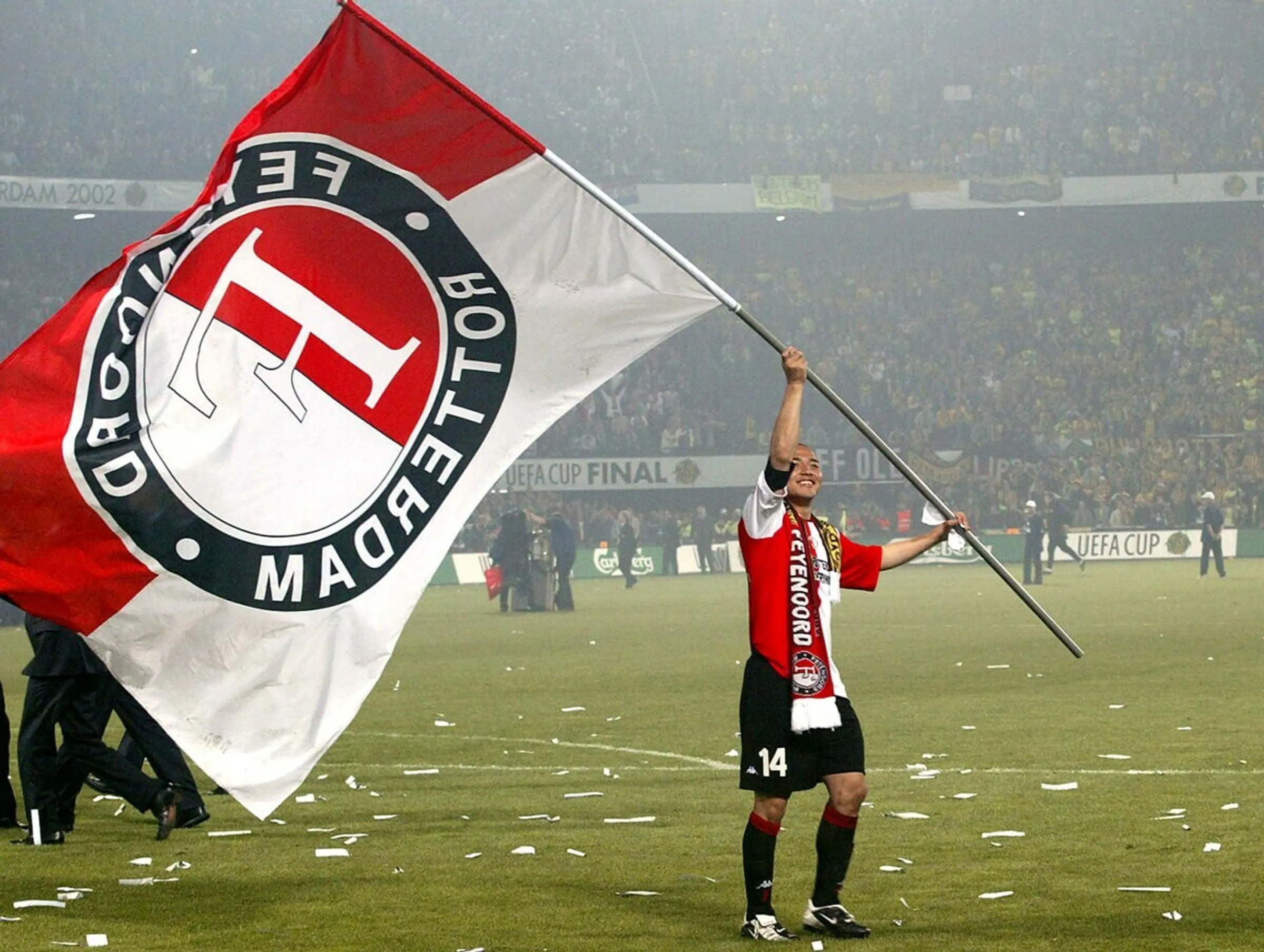
Indeed, Japan’s impact on the Italian game does not begin and end with Nakata, with the nation - four-time AFC Asian Cup champions - producing five of our 10-man shortlist.
On that measure, Japan can claim to be Asia’s most successful producer of Serie A players, but not every player to have arrived from the J League has succeeded, and Polenghi believes it takes more than sheer footballing ability for Japanese players to adapt to life in Italy.
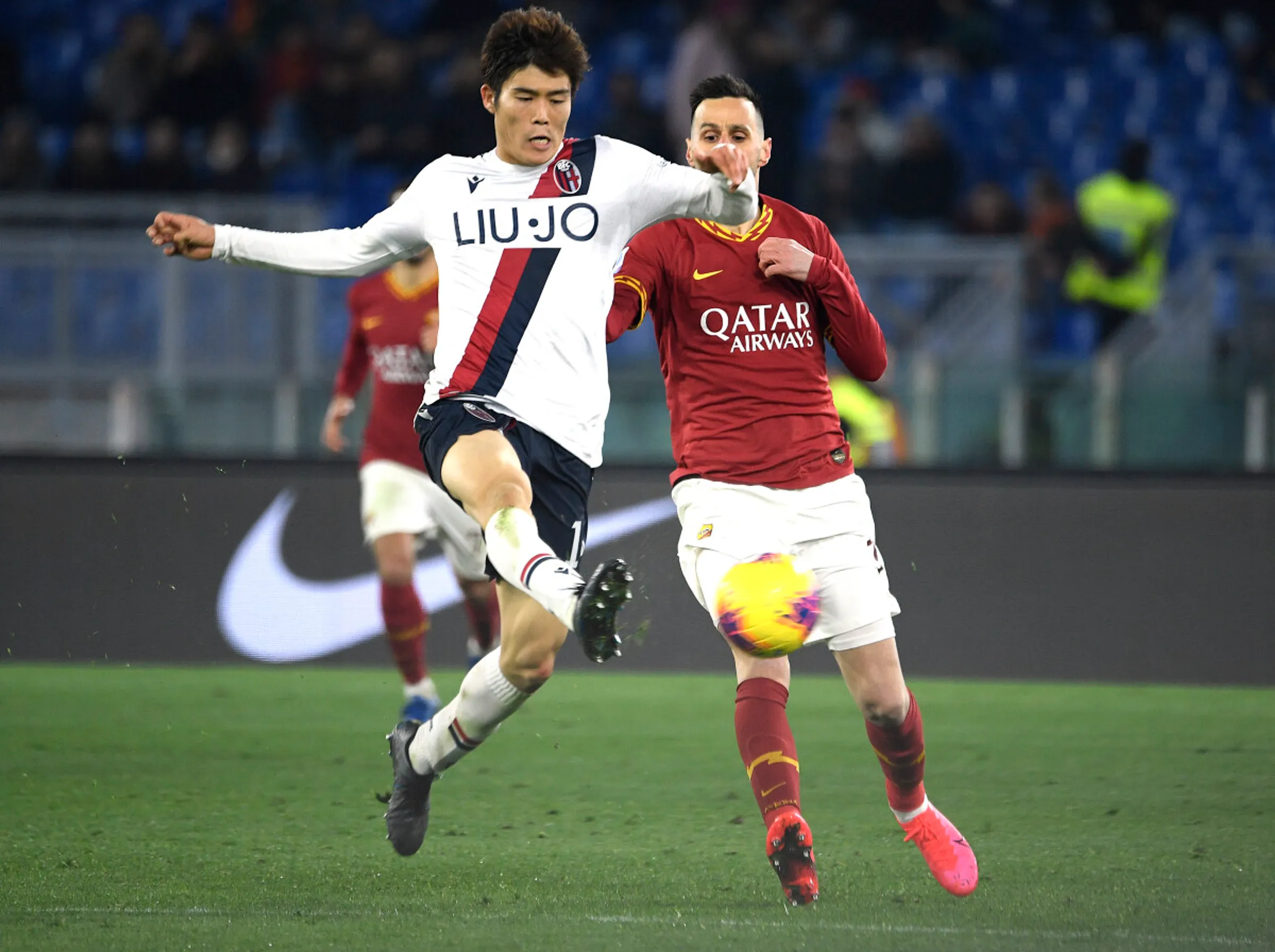
“When a Japanese player comes to Italy, and it’s the case now with (Takehiro) Tomiyasu (pictured above), it’s (a question of) “Okay, which sort of player is he?”, he said.
“We know they all can play football. If you’re in the Japanese national team – who are ranked around 30th in the world - you are a good player, but can you fit into Italian football?”
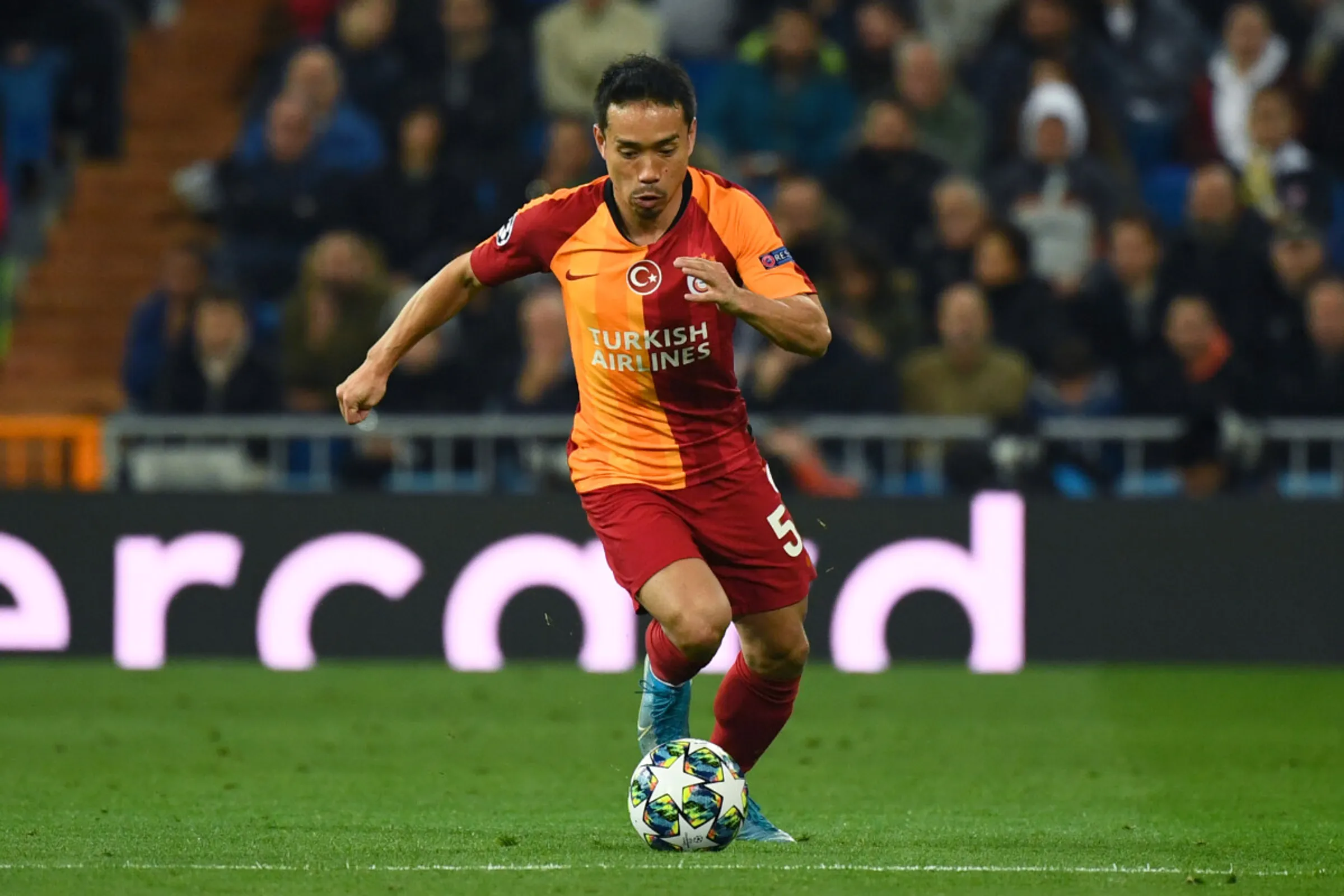
Polenghi cites Yuto Nagatomo (pictured above) – the long-time Inter Milan full-back who now turns out for Turkish powerhouse Galatasaray – as a prime example of a successful transition.
“He fit very well with the team. He learned Italian very quickly, which is a very, very smart move,” he recalled.
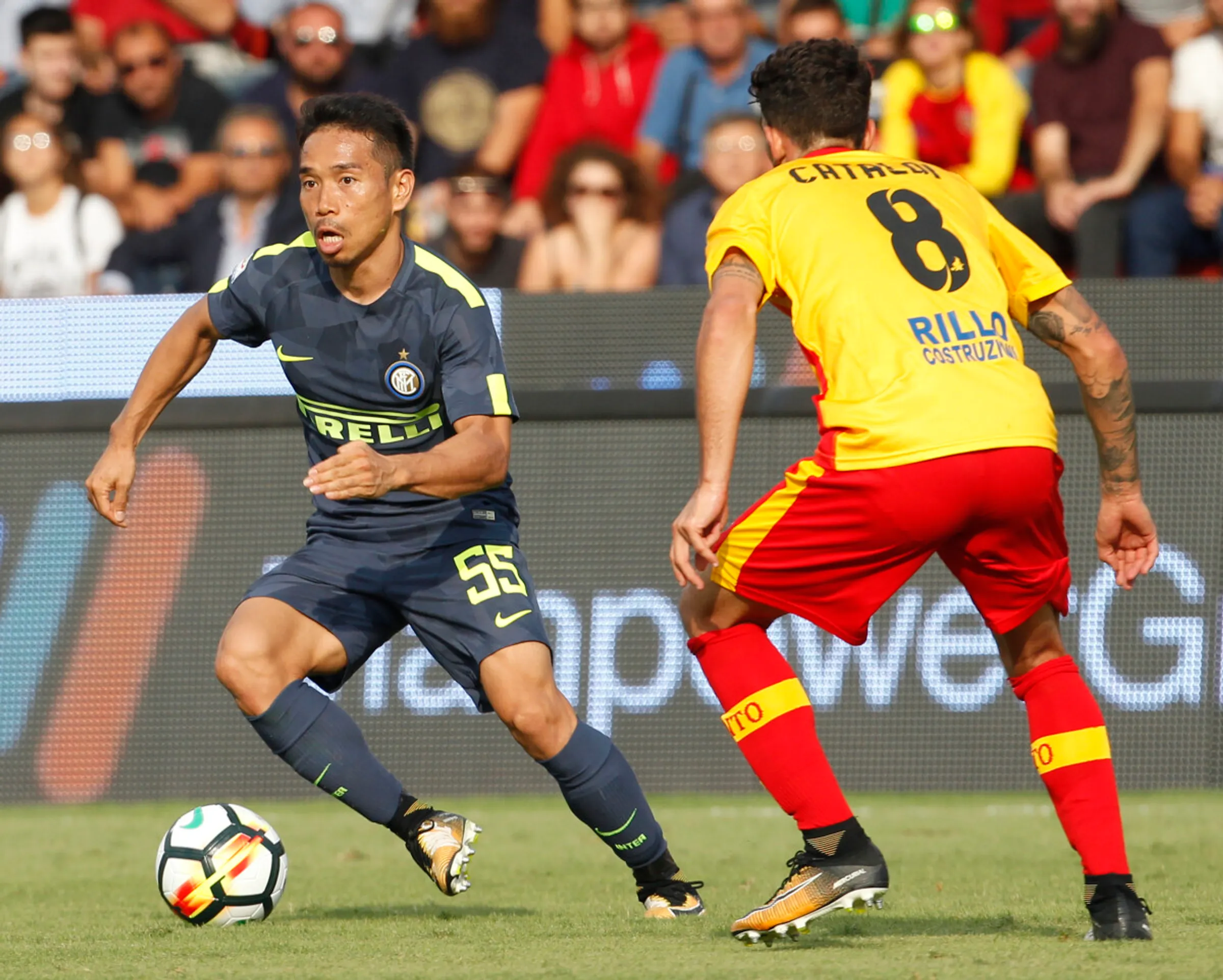
“They weren’t good years for Inter. He managed to win one Italian Cup the first year he came, and that’s the last thing Inter won, so it wasn’t the peak of Inter’s history result wise.
“However, with all those managers that they changed, he always managed to stay in the team. Very often he was a regular, and he’s been a captain as well. He’s been the captain of Inter in a game against Juventus.
“I think that says a lot about how dedication can pay.”
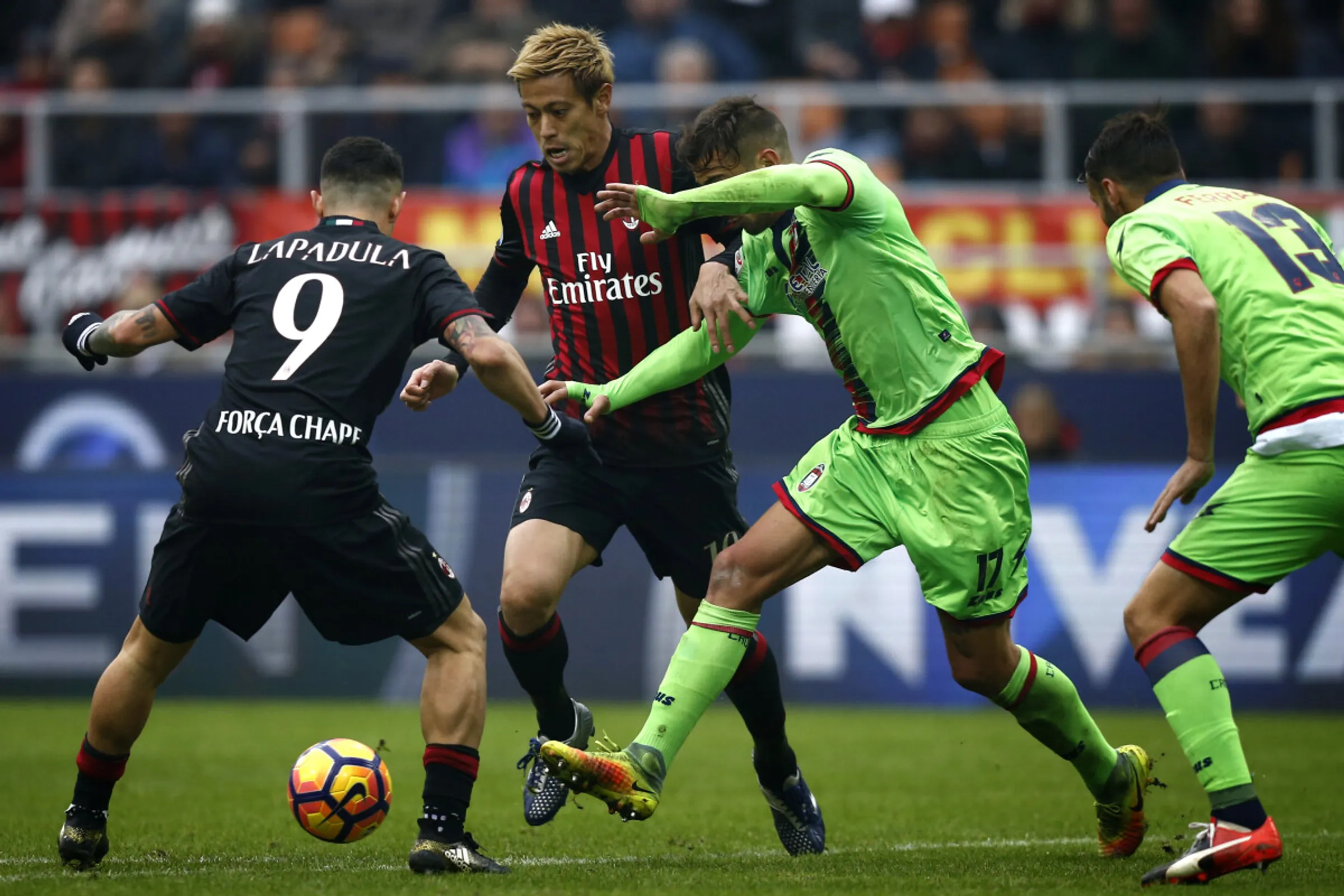
Polenghi also considers both Keisuke Honda (pictured above) – a national team superstar who spent three years with AC Milan - and former Catania and Novara forward Takayuki Morimoto as qualified successes in Italy, albeit “only in flashes”, while Shunsuke Nakamura’s (pictured below) extraordinary ability to strike a dead ball means his time at Reggina will live long in the memory.
“(Nakamura is) the kind of player who had left a very positive impression on Italian fans,” he declared.
“Even now, people talk about his free-kicks. It really left a mark, and that’s something I think other Asian players don’t have. Nakamura had this trademark, this accent, that made him stand a bit from the other ones.”
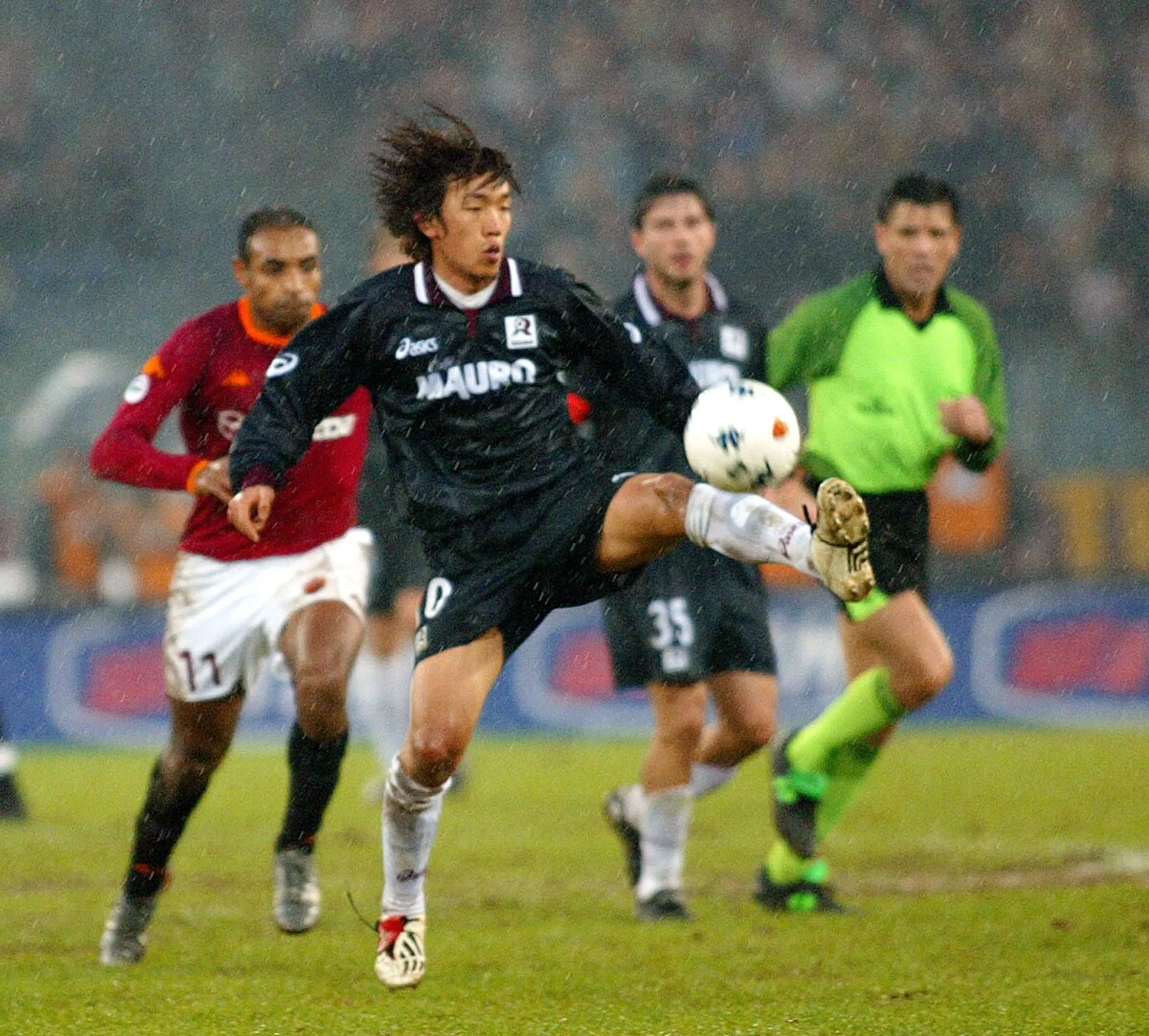
While many of Japan’s Serie A contingent have been naturally creative players, the most successful Iranian footballer to have graced the league was one of the country’s most revered defenders.
Rahman Rezaei (pictured below) thrived in Italy, particularly during Messina’s terrific 2004-05 season, and Polenghi believes for a player to enjoy success as an out and out defender in the home of Maldini, Baresi and Cannavaro should be considered a significant achievement.
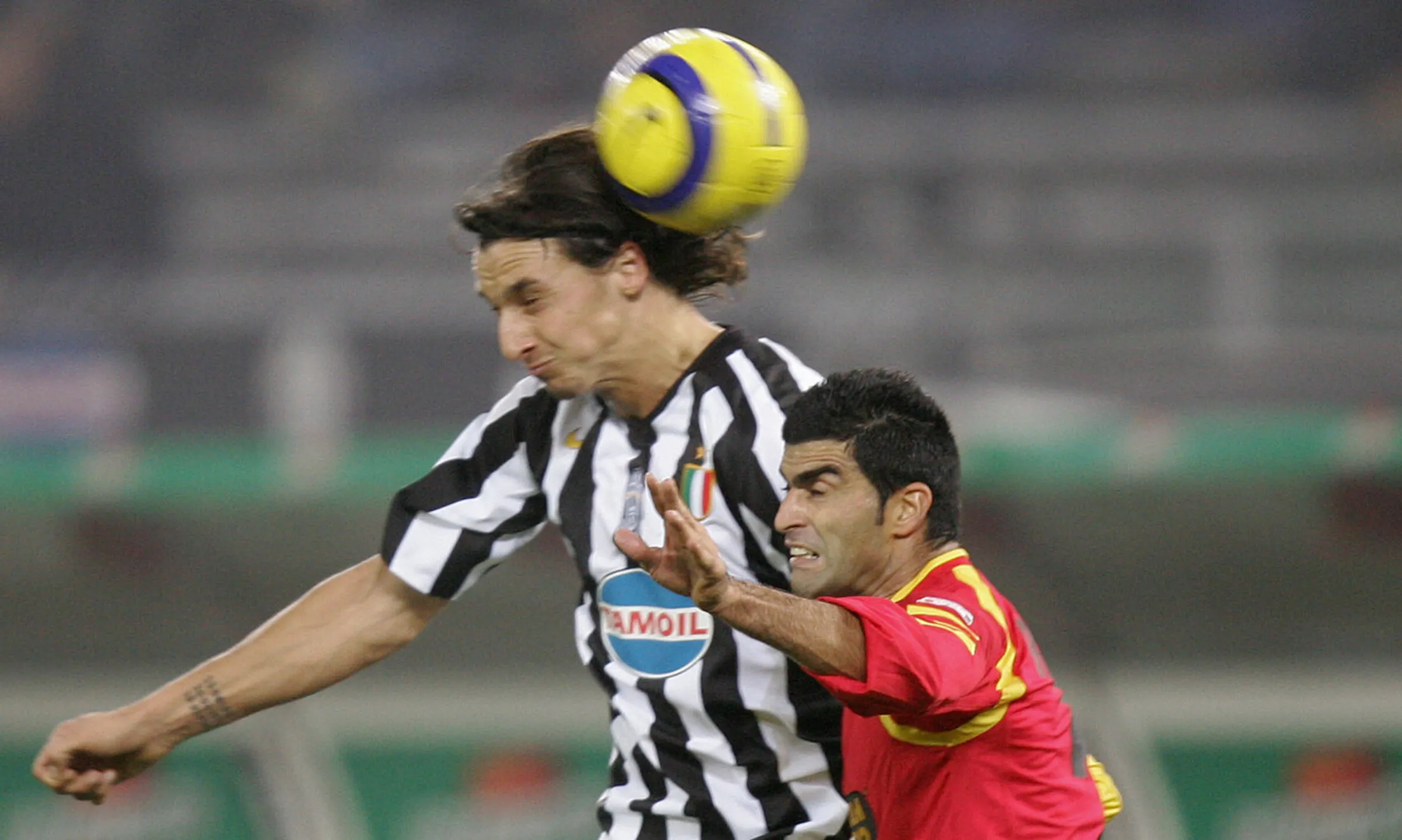
“Italy is a country where our football really is based on tough defending,” Polenghi explained.
“I think that, overall, we have a great school of local defenders, and to be capable of coming from Asia and fit into a difficult league, especially as a defender, it tells you a lot about his mental strength. Kudos to him.
“So far, we spoke mainly about midfielders or fancy players… Rezaei was purely a defender. The fact that he could be starter for three seasons in Serie A speaks volumes.”
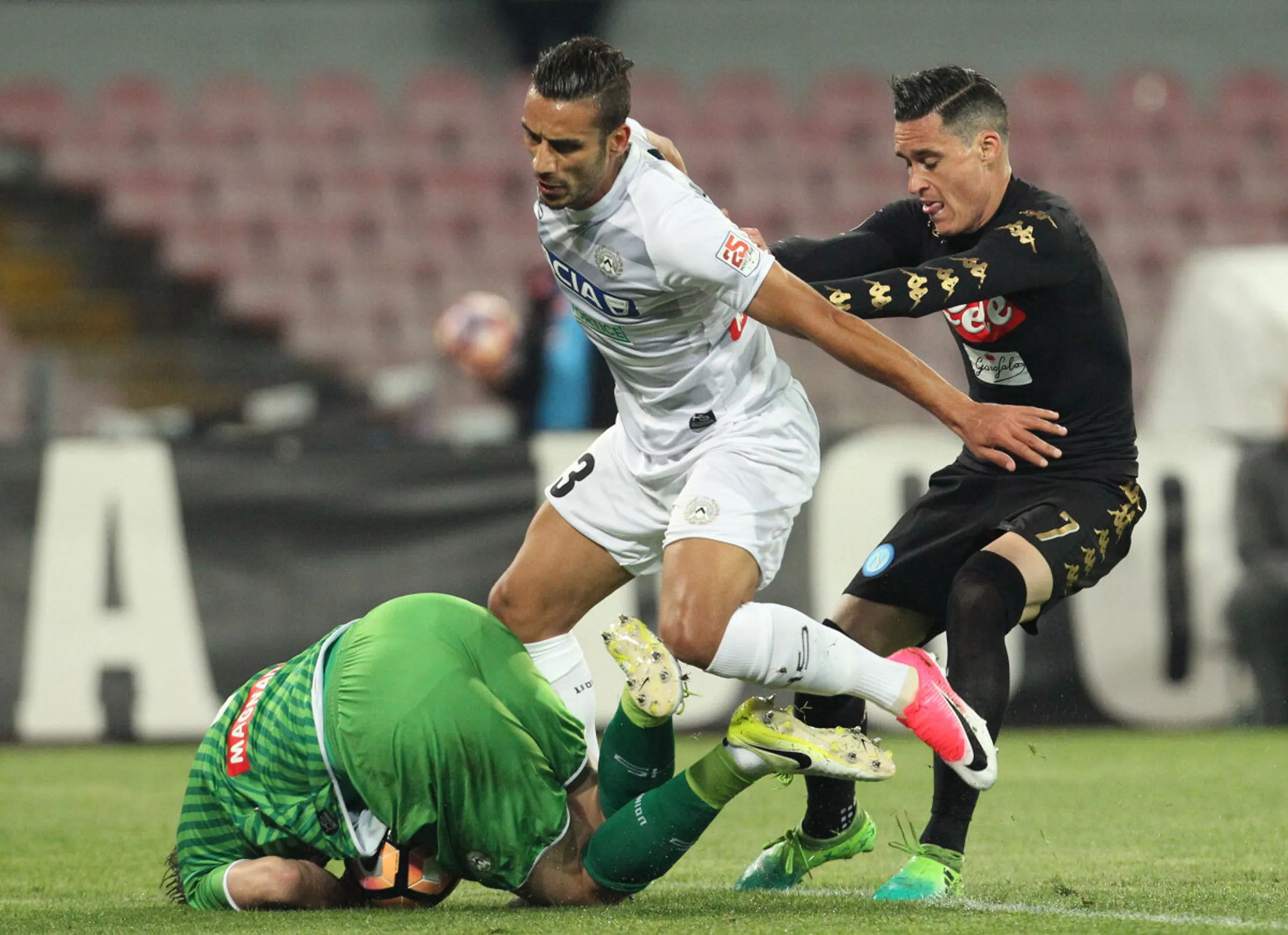
Another Asian defender, albeit one who possessed noticeable attacking instincts, was Iraq’s Ali Adnan, who spent the majority of his 68-match Serie A career with Udinese.
A standout talent at the 2013 FIFA U-20 World Cup, Adnan made history by becoming the first Iraqi to play in Italy’s top-flight, and Polenghi enjoyed reliving a fiery clash between the wing-back and former Juventus, and current Al Duhail striker Mario Mandzukic in 2017.
“To have a player from Iraq, it was exotic, and Ali Adnan came after being voted the best young player in Asia,” Polenghi recalls.
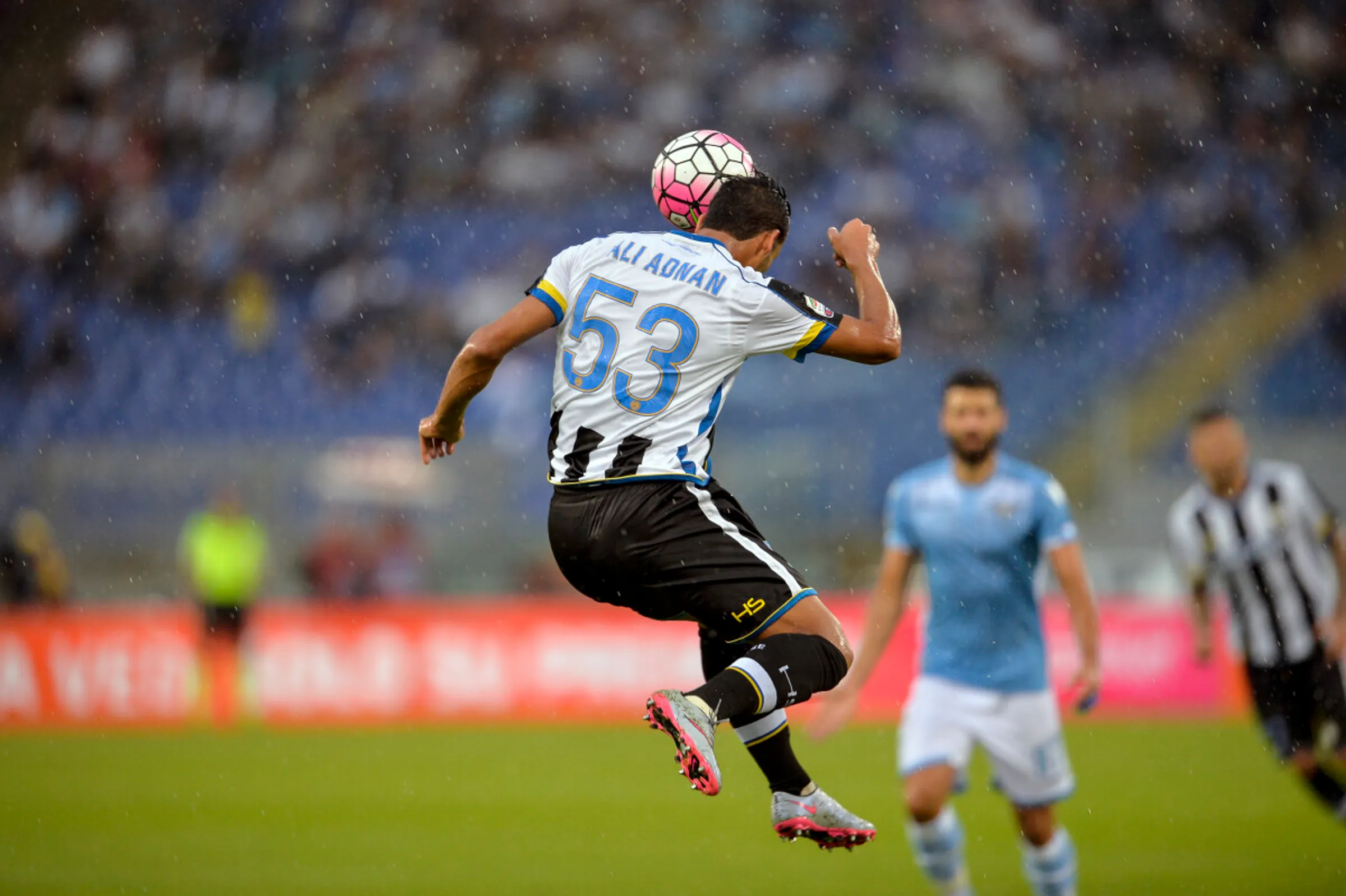
“I think he did okay, and in particular I have this memory of him getting Mandzukic sent off in a game against Juventus. To have a head-on collision with Mandzukic, it definitely takes some guts.
“I think that overall his few years in Italy were a real positive. Being the first player ever from Iraq to play in Italy, managing to play in the squad, to play games and to get Mario Mandzukic sent off? It’s quite impressive, I think,” he laughed.
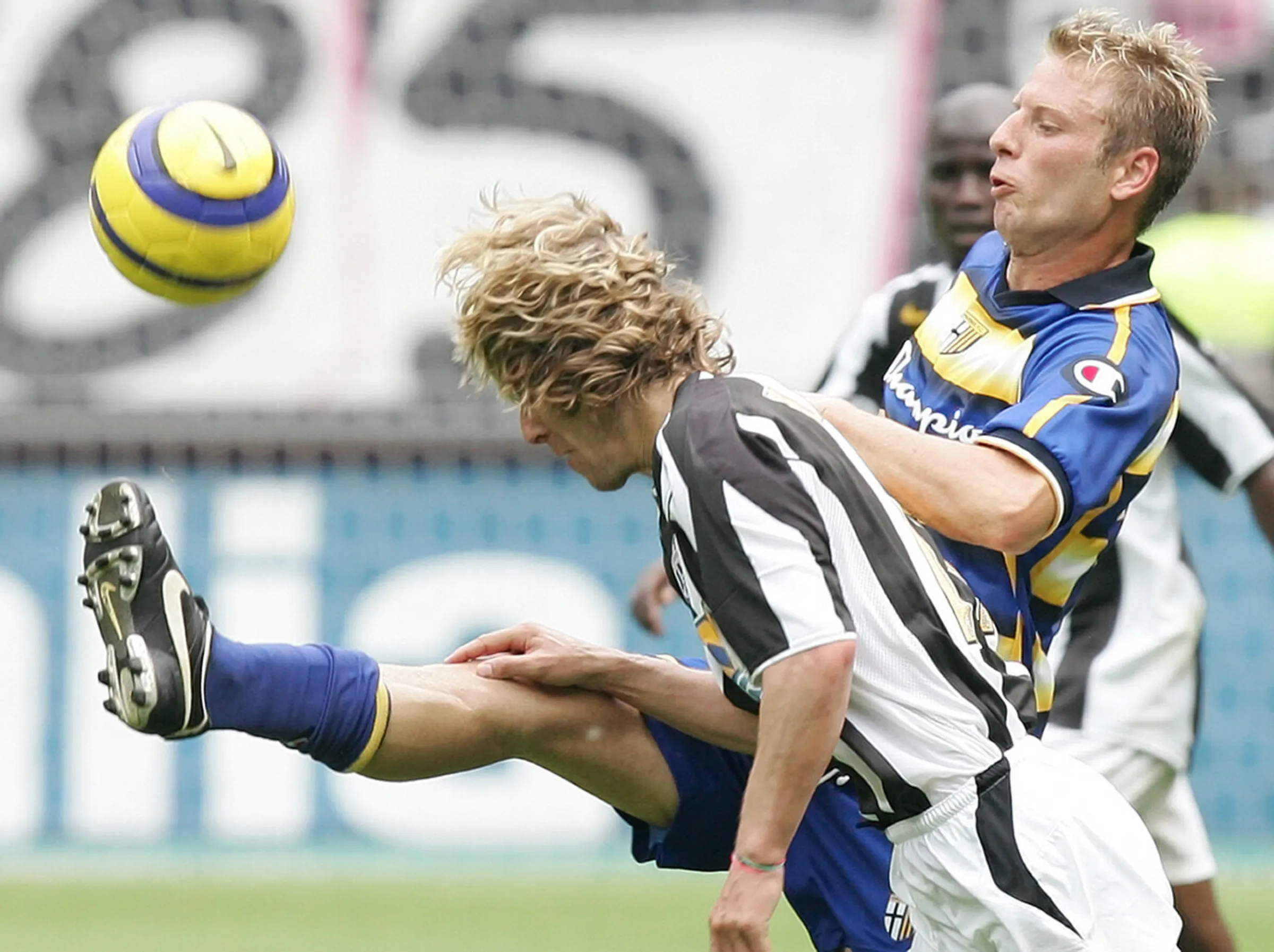
Polenghi also discussed the impact of the Australian duo of Mark Bresciano and Vince Grella (pictured above), who shared an Italian background, a close friendship, and carved out successful careers in Italy after joining Empoli together in the late 90s.
Polenghi said Bresciano (pictured below), in particular, looked so at home in Italy that it wasn’t immediately clear that he ever lived anywhere else.

“He fit so well that in the beginning, in the first couple years, I didn’t even realise he wasn’t Italian,” he said. “I really thought he was an Italian player.
“He’s just remembered as a very positive player by fans, and someone who definitely deserved to be a starter in Serie A.”
Who is your favourite Asian player in the Serie A? Vote below (Poll ends at 16:00 UTC +8 on June 4).
