

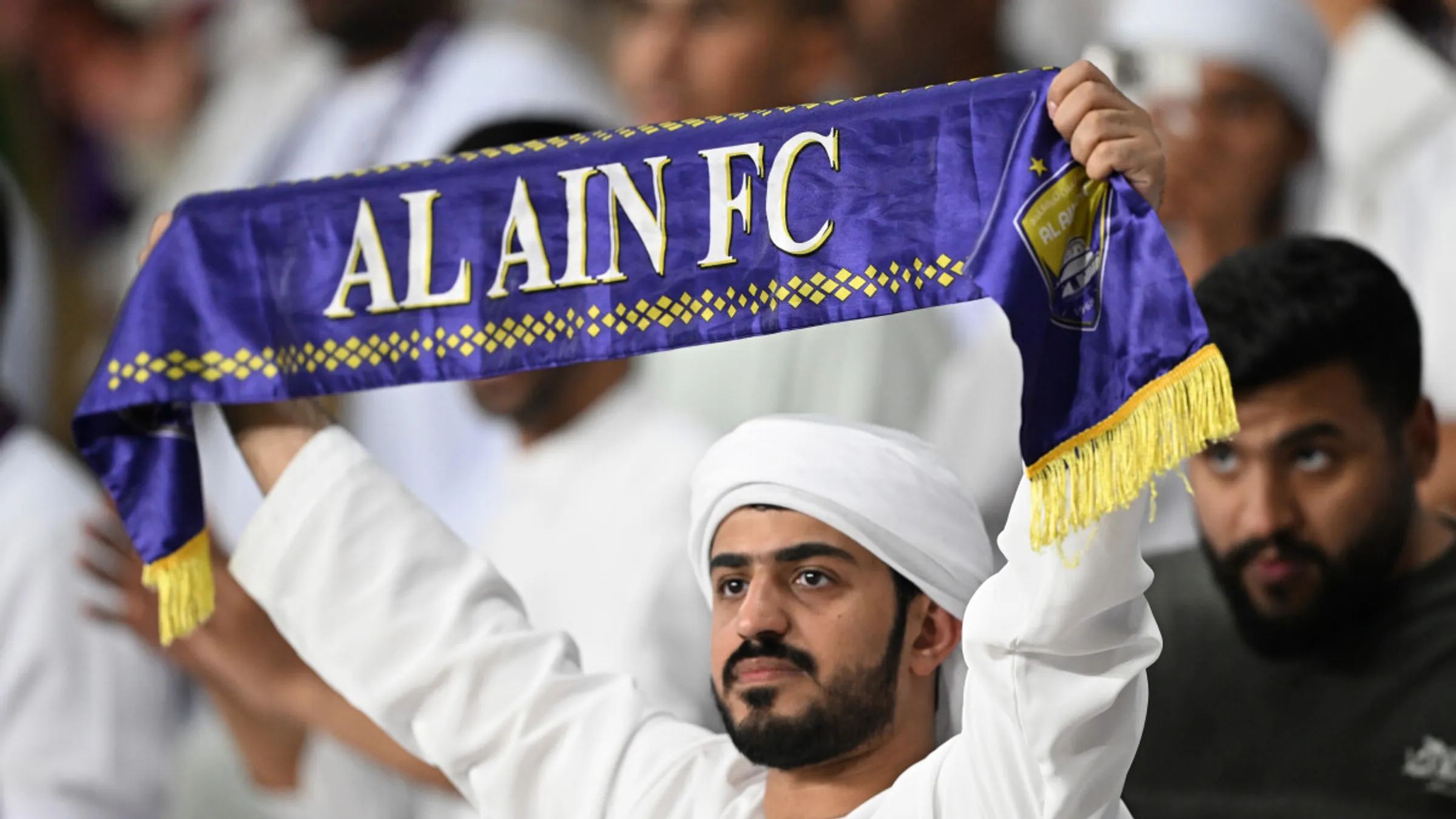
AFC Champions League
Among West Asian clubs, only two (Al Hilal and Al Sadd) have played in the AFC Champions League more than Al Ain, and only Al Hilal have contested the knockout stages of the competition more times than the Emirati powerhouse. Ahead of the first leg of the final, the-AFC.com revisits Al Ain’s journey in the continental competition over the past two decades.
Early success (2002 to 2006)
When the AFC Champions League replaced the Asian Club Championship in 2002, four West Asian clubs contested the inaugural edition, including Al Ain as UAE League champions. The club from the Garden City proved to be too strong for their group stage opponents, marching on with the full marks before beating Dalian Shide in the semi-finals and seeing off the challenge of Tero Sasana in the final to become the first champions of the revamped competition.
A disappointing 2004 campaign saw them bow out at the first hurdle despite receiving a bye to the quarter-finals as reigning champions, but a 5-1 aggregate defeat to Jeonbuk Hyundai Motors ended Al Ain’s dreams prematurely.
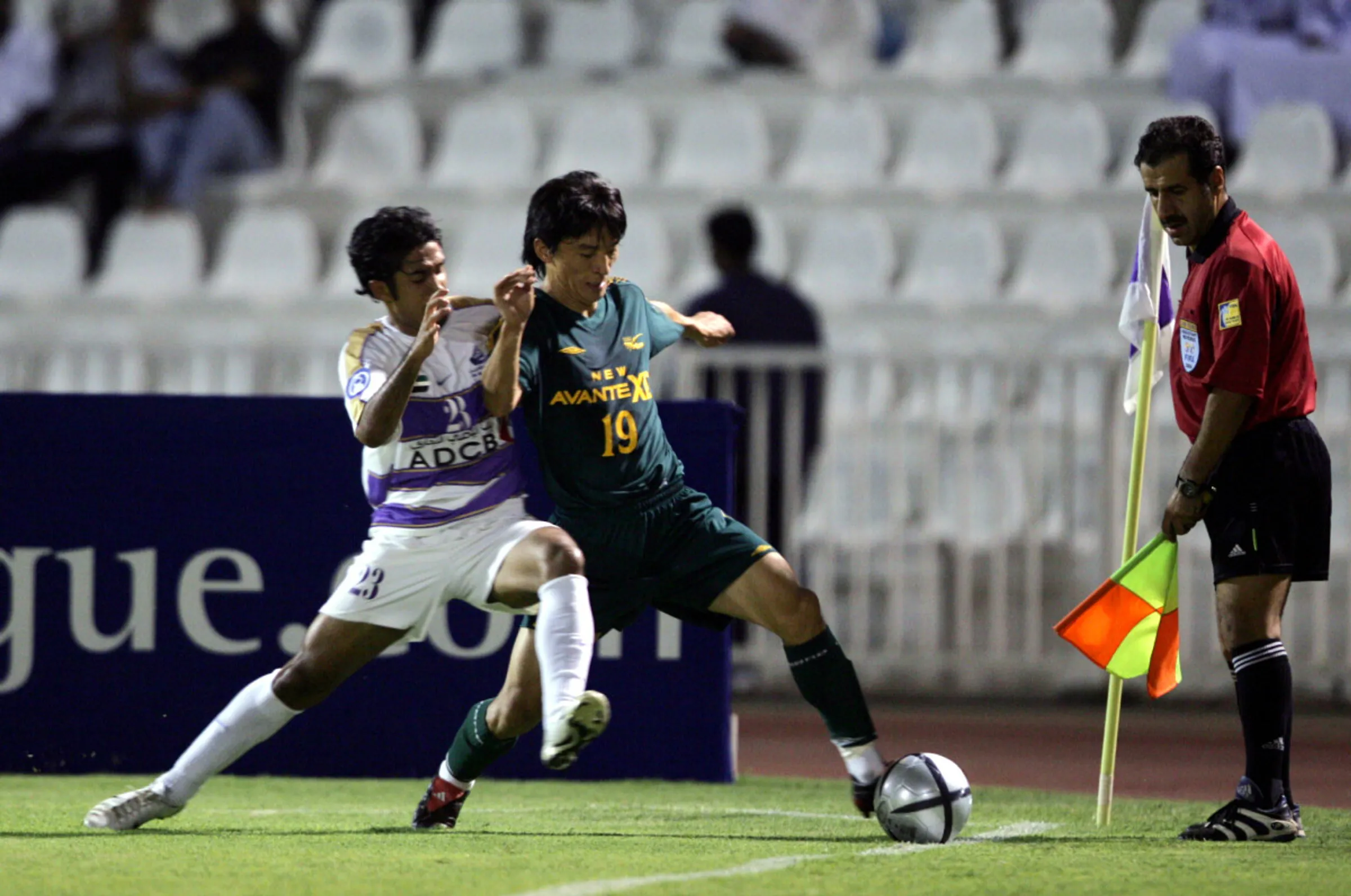
Lessons learned from the early elimination of the previous year, Al Ain bounced back immediately, reaching their second final in three years. Led by veterans such as Subait Khater and Helal Saeed, Al Ain proved their 2002-03 success was no coincidence, but fell just short at the final showpiece, drawing against Saudi Arabia’s Al Ittihad 1-1 at home and losing the second leg 4-2 in Jeddah.
The last of Al Ain’s consecutive knockout stage appearances came in 2006, but after topping their group, they looked headed to the semi-finals after a solid 2-2 draw on the road in the first leg of the quarter-finals against Kuwait’s Al Qadsia. However, a surprise capitulation at home saw them lose to the Kuwaitis 3-0 and bow out, signaling the start of a difficult period of the club’s continental history.
The rebuilding years (2007 to 2013)
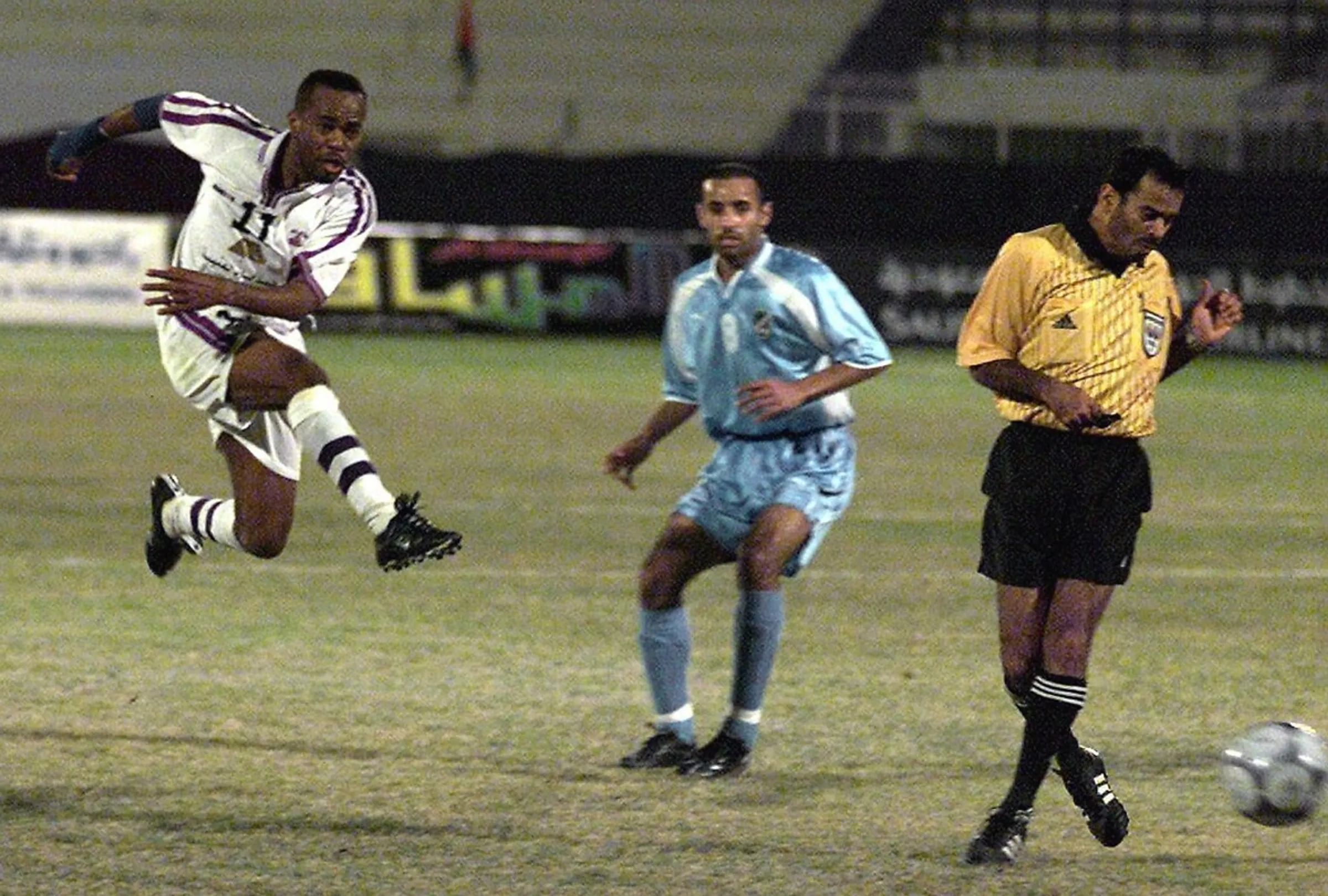
The so-called golden generation featuring the likes of Mohammed Omar, Ghareeb Harib, Salem Johar and others reached the end of their careers, leaving the club facing a huge rebuilding job. They struggled domestically, enduring a seven-year league title drought, the longest since the 1980s.
Their absence from the knockout stages of the AFC Champions League was equally long, in seven years between 2007 and 2013, Al Ain crashed out of the group stage on four occasions and missed out on continental football altogether three times.
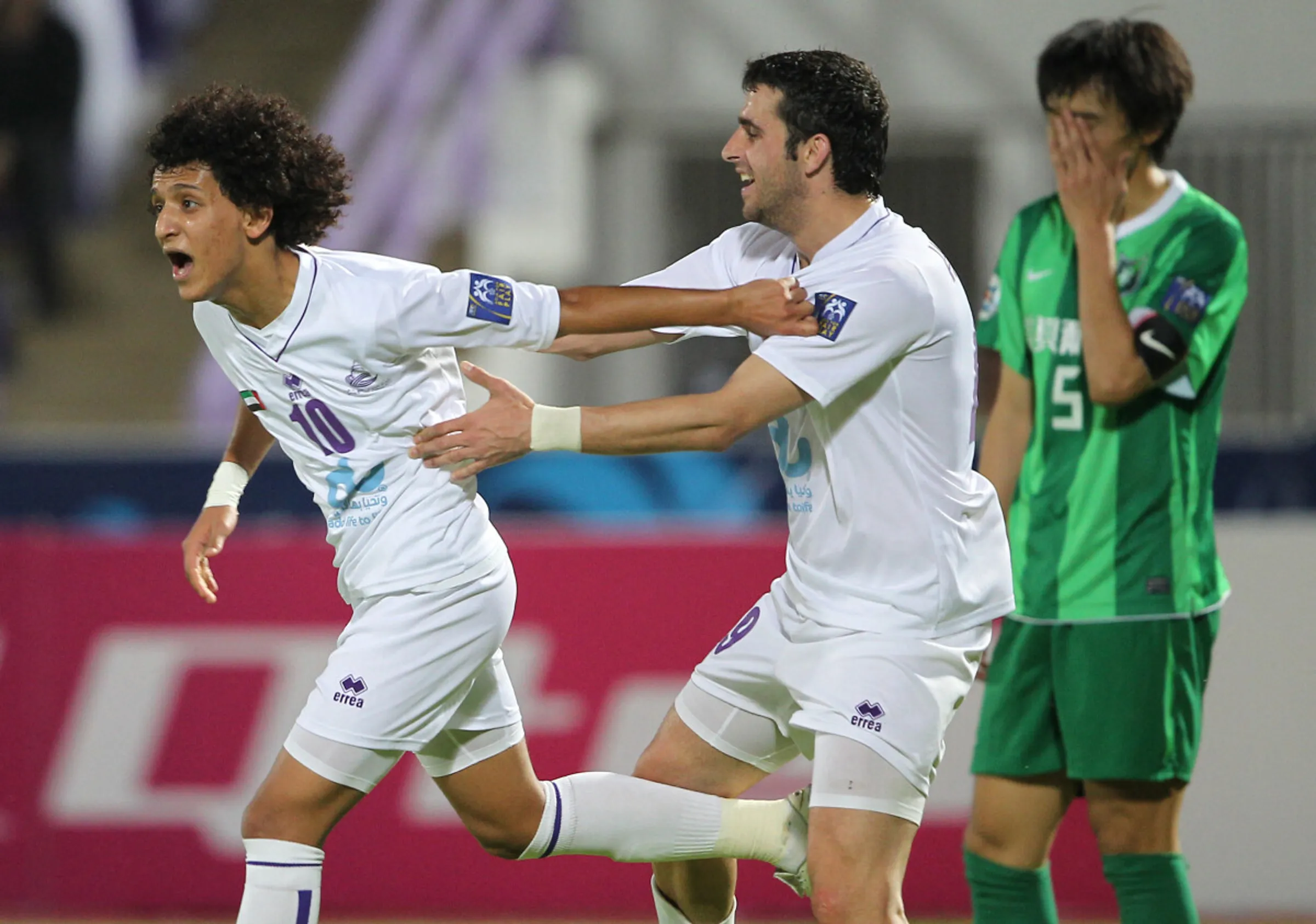
To date, 2008 and 2009 were the only times Al Ain failed to play AFC Champions League football for two consecutive years. In 2011, they suffered one of their heaviest defeats in the competition, losing to Nagoya Grampus 4-0, having been moved to compete in Group F alongside East Asian clubs.
Al Ain’s first goal of the 2011 was scored by a young midfielder named Omar Abdulrahman, who would go on to play an important role in the club’s AFC Champions League history, but not before they failed to qualify in 2012 and exited at the first hurdle in 2013.
Nearly there (2014 to 2016)
Al Ain ended their domestic title drought in style, winning back-to-back UAE Pro League titles in 2011-12 and 2012-13, and soon that form was carried into the Asian front, with Al Ain finally returning to the AFC Champions League knockout stages in 2014.
Pitted in Group C alongside two-time champions Al Ittihad and up and coming Lekhwiya (now Al Duhail), Al Ain were back to their best, propelled by the attacking trio of Omar Abdulrahman, his brother Mohammed Abdulrahman and Ghanaian ace Asamoah Gyan. The latter pair scored 10 of the club’s 14 group stage goals as they finished top with 11 points.
Facing compatriots Al Jazira in the Round of 16, Al Ain won both legs 2-1, with Gyan scoring three of the four goals. A repeat of the 2005 final followed, and Al Ittihad were brushed aside 2-0 and 3-1 in the quarter-finals. Al Ain’s return to the business end of Asia’s club scene was truly on, even if the challenge of Al Hilal in the semi-finals proved a mountain too high and the side managed by Zlatko Dalic were beaten 4-2 on aggregate.
Dalic was determined to come back stronger and he did so two years later, taking Al Ain all the way to the final. Omar Abdulrahman was named MVP of the tournament, while forward Douglas scored five goals en route to a third final contested against Jeonbuk Hyundai Motors, but unfortunately for the Brazilian, it was his missed penalty at the newly opened Hazza bin Zayed Stadium that cost his side the trophy as they settled for a 1-1 draw in the second leg, having lost 2-1 in Korea Republic a week earlier.
Returning to the top (2023-24)
Just as the era of Khater, Hareb and co ended, making way for a period of transition, so did the Abdulrahman era in 2018. After reaching the knockout stages on five consecutive years, Al Ain found themselves struggling to recapture that form, instead finishing bottom of the group in 2019 with just two points collected.
The same fate met the 2002-03 champions in 2020, and this time the fourth-place finish included two humbling 4-0 defeats to Sepahan and Al Sadd, the former being at their own ground in front of a crowd long used to watching their team compete at the highest level.
Things had to reach their lowest before the eventual rise began, after finishing a disappointing fourth in the UAE Pro League, Al Ain had to go through the playoff round, and found themselves thrown out before the competition proper started, collapsing to a 4-0 defeat against Foolad.
Where there was once Khater and Farhad Majidi, Abdulrahman and Gyan, Al Ain found their new heroes in the likes of Soufiane Rahimi, Kodjo Laba and Bandar Al Ahbabi.
Missing out on the 2022 edition was followed by the greatest of comebacks as they marched unabated all the way to the final, on the way eliminating powerhouses including the likes of Cristiano Ronaldo’s Al Nassr and record champions Al Hilal to set a date with Yokohama F. Marinos whom they will dream of beating to win the last-ever final of the competition they were the first to win in its current iteration.
Related News
- AFC Champions League
#ACL Final: 5 Classic 1st Legs
- AFC Champions League
#ACL - Hall of Fame
- FIFA Futsal World Ranking
IR Iran fourth in inaugural FIFA Futsal Men's World Ranking
- Domestic Leagues
Europe Wrap: Jeong strikes to down Bayern; Morita’s Sporting are Portuguese champions
- AFC U17 Women's Asian Cup
Dream come true for Philippines’ Collins

Item 1 of 5