Asian Icons
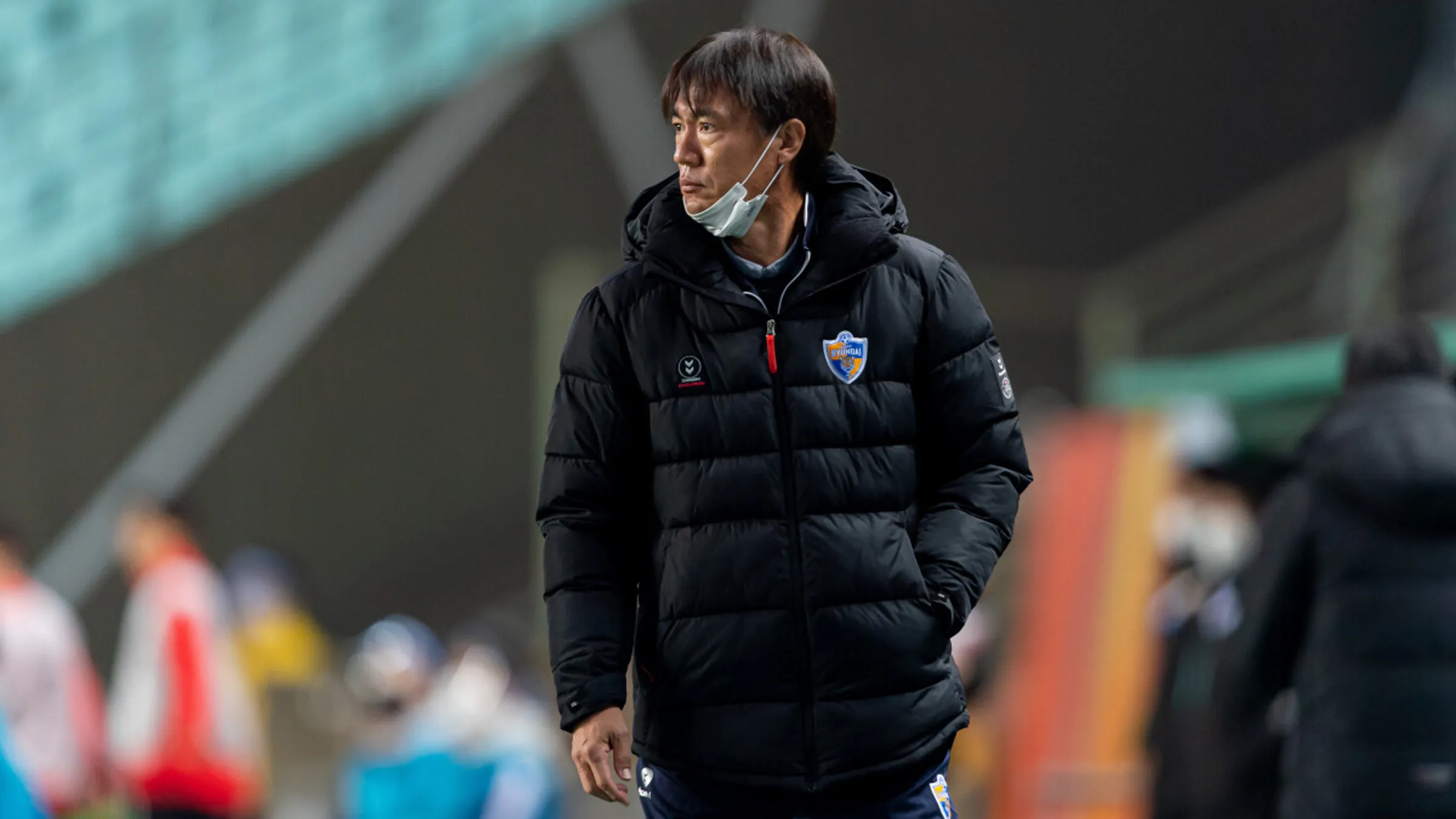
Throughout his illustrious career, Hong Myung-bo has always been a winner. From his imperious playing days through to his increasingly successful time as a coach, the iconic former defender rarely fails to hit his target.
Ulsan Hyundai’s long-awaited K League 1 title win last year marked the latest achievement for the 53-year-old, who can now add a domestic coaching success to a resume that is among the greatest in Asian football.
By leading Ulsan to the trophy, Hong ensured the club ended a 17-year title drought and backed up the decision to appoint him as coach after three years away from the dugout, when he had been working as the executive director at the Korea Football Association.
Luring Hong to the touchline proved to be a masterstroke for Ulsan as they harnessed the knowledge and ability of one of the continent’s greats to push the club towards the domestic success that had proved frustratingly elusive for so long.
"I've experienced virtually everything I could have in football, but there was always something missing," Hong said when he was appointed by Ulsan ahead of the 2021 K League 1 season.
"I think that may have been coaching a K League team. The K League made me the man I am today, and I am grateful for the chance to coach Ulsan and contribute to the league. I'll try to set examples on and off the field."
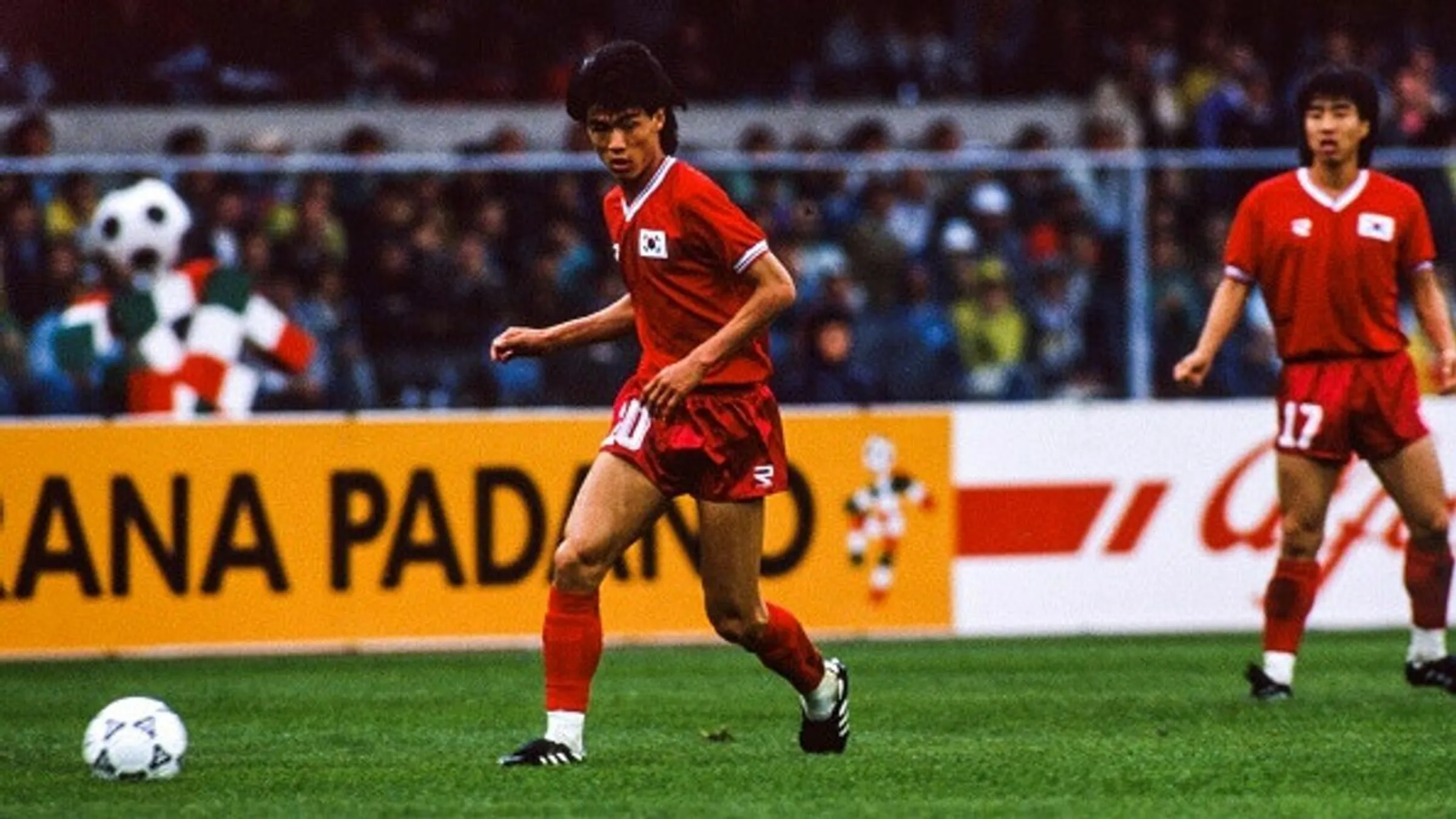
Hong’s playing career had started at the Korea University and it was while there that he made his debut for the national team, featuring in all three games for Korea Republic at the FIFA World Cup Finals in Italy despite being the youngest player in the squad.
A talented defender, he impressed with his positional ability and reading of the game and he soon established himself as one of his nation’s leading players despite being just 21 years old.
After completing his military service, Hong’s K League career started with the club now known as Pohang Steelers – then POSCO Atoms – in 1991 and he would go on to win the domestic title in 1992 and help his side to victory in the Asian Club Championship – the precursor to the AFC Champions League™ – in 1997.
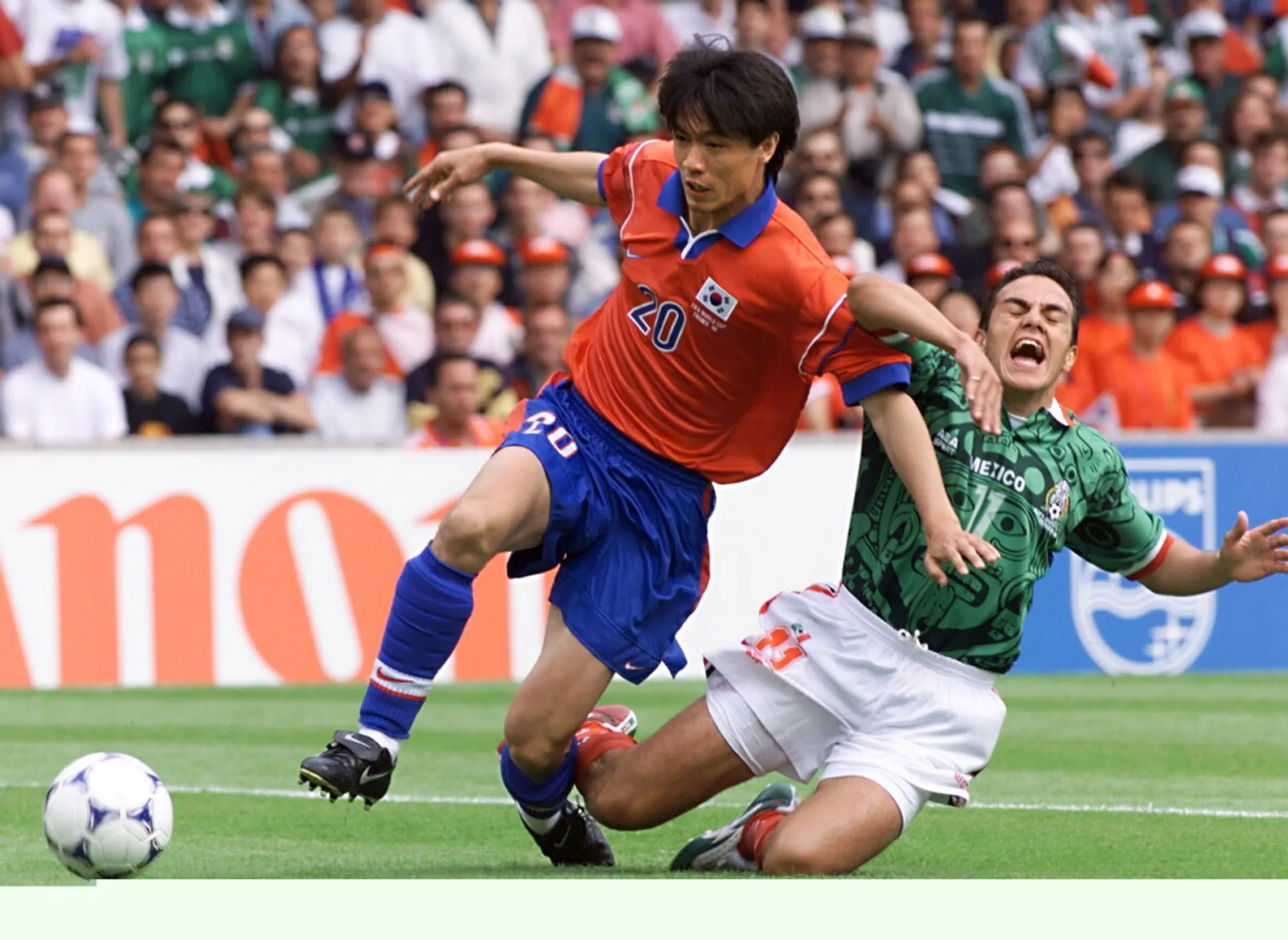
By this time Hong had made a second FIFA World Cup appearance in the United States in 1994 and he was again to feature in 1998 in France, having left Pohang to join Japan’s Bellmare Hiratsuka (now Shonan Bellmare).
A season-and-a-half there was followed by a switch to Kashiwa Reysol and another two years in the J.League before a return to Korea to rejoin Pohang ahead of one of the defining events in the career of Hong and his entire generation, the country’s co-hosting of the FIFA World Cup in 2002.
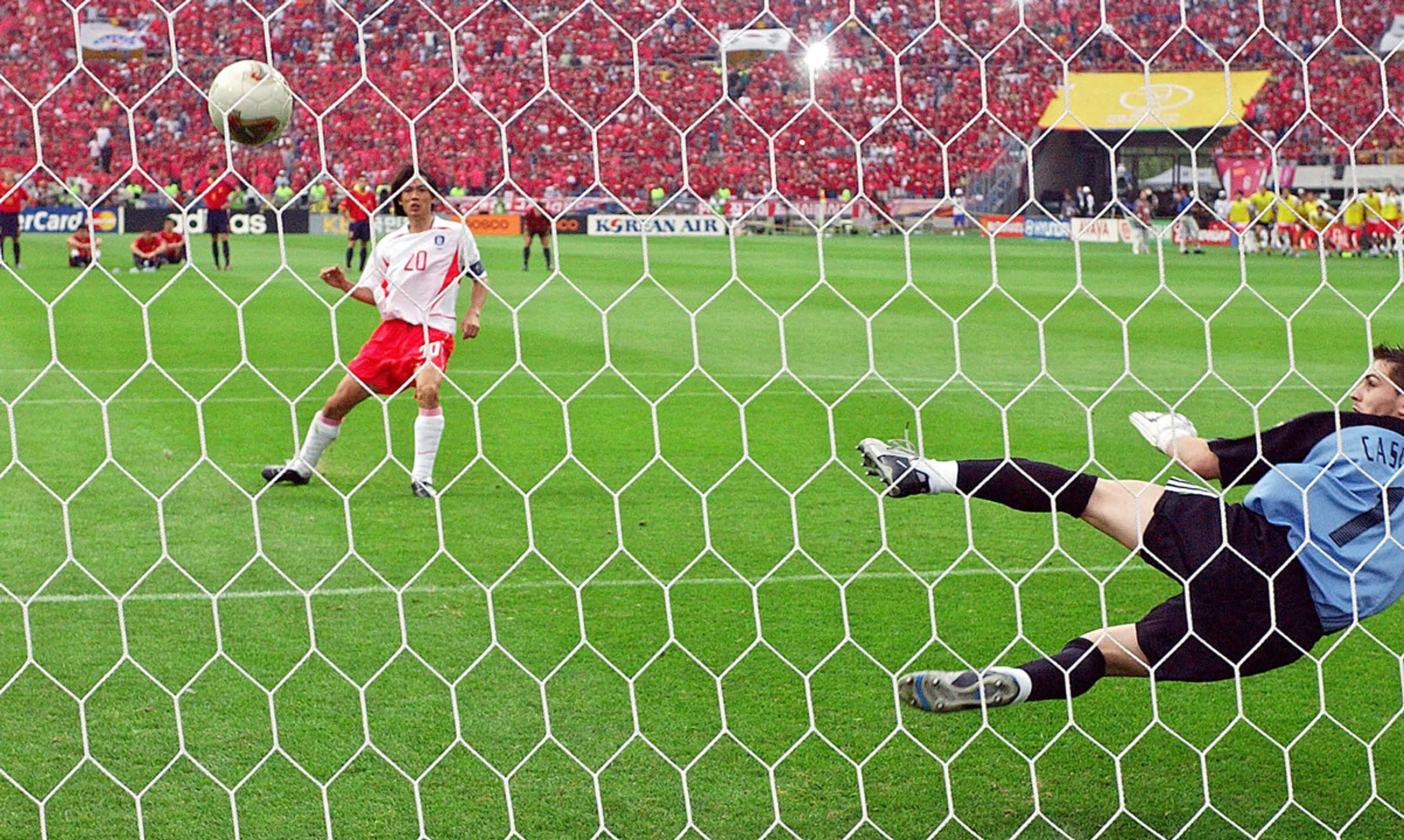
Hong was 33 years old going into what would be his fourth and final appearance at the game’s greatest tournament and his experience as well as a strong relationship with head coach Guus Hiddink were key for the Koreans to overcome their previous struggles.
The Taeguk Warriors had never won a game at the FIFA World Cup prior to 2002 but they put aside any sense of inferiority to become the first Asian nation to reach the semi-finals, with Hong scoring the winning spot-kick in the penalty shoot-out win over Spain in the quarter-finals.
Korea’s fourth place finish in 2002 brought down the curtain on a remarkable playing career that saw Hong earn 136 caps for his country – the joint-highest alongside Cha Bum-kun – and play 16 games at the FIFA World Cup, the most by an Asian player.
Unsurprisingly for someone with his ability to read the game, Hong made the move into coaching. He worked as an assistant alongside new Korea boss Dick Advocaat as well as with his successor, Pim Verbeek.
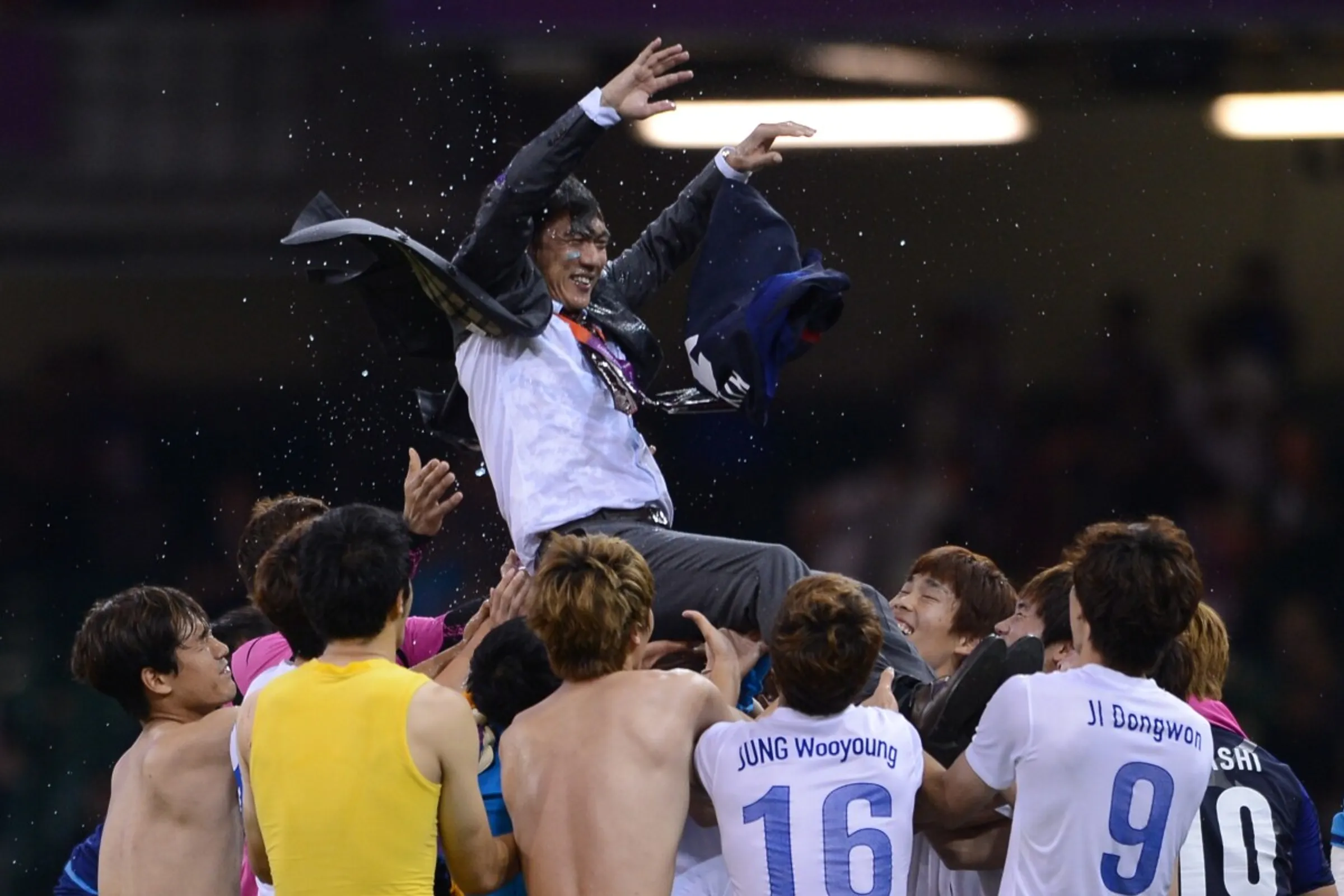
He then took Korea to the quarter-finals of the 2009 FIFA U20 World Cup before being appointed the country’s under 23 coach, leading his young team to the semi-finals and victory over Japan in the bronze medal match in London in 2012.
“The high point for me so far was the Olympics,” Hong told the-AFC.com then as he looked back a year after the London success. “We worked together in 2002 but when you are a head coach your life is very lonely.
“I always told my players that no one is better than the team. That is my philosophy and our team spirit and we were always focused on the team. This was the best, for me.”
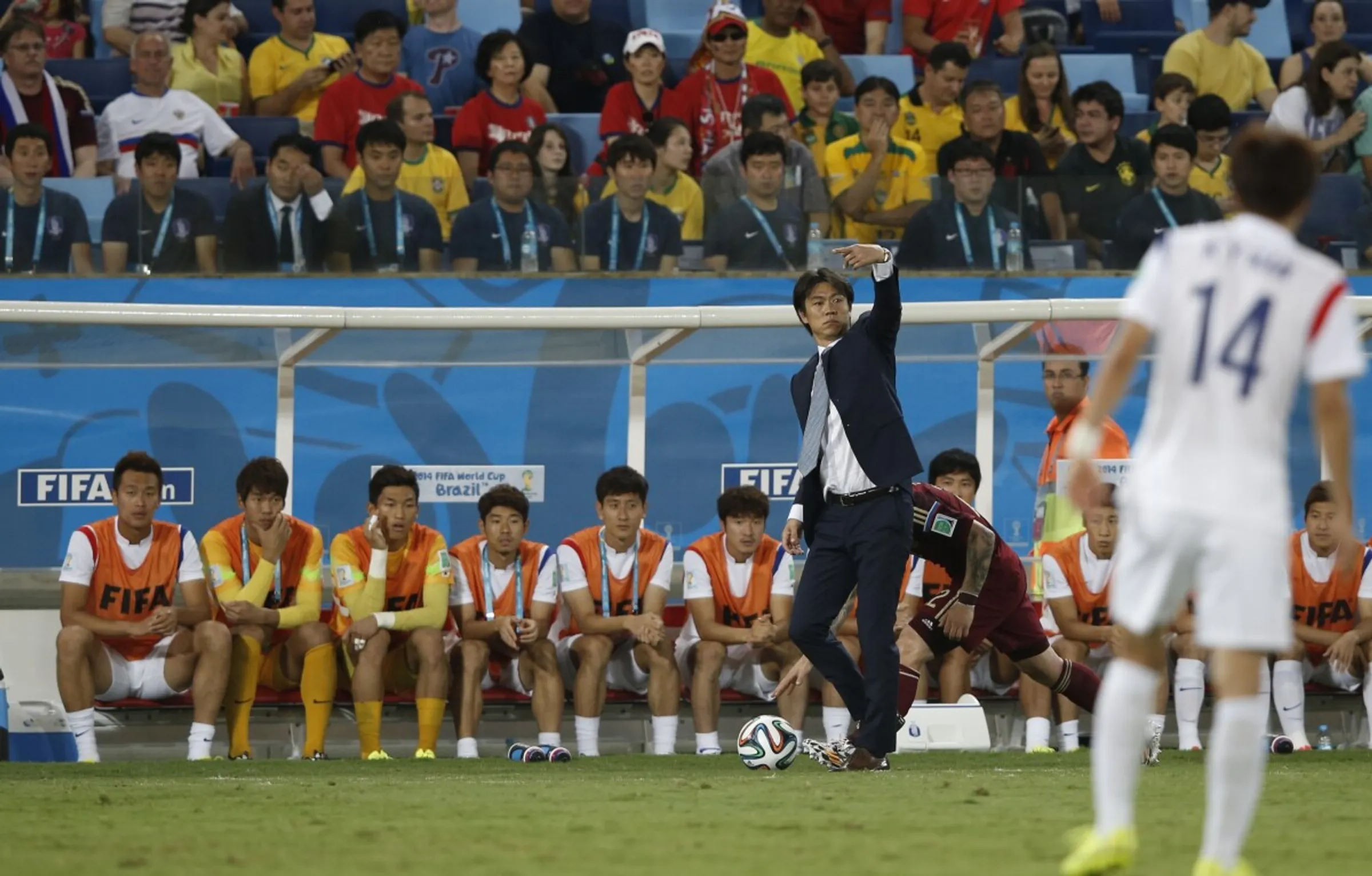
With that win – Korea’s best-ever performance at the Olympics – under his belt it was little surprise the KFA turned to Hong to take over from Choi Kang-hee after qualification for the 2014 FIFA World Cup had been secured.
The former defender had already turned down two previous approaches from the federation to lead the team and was working as an assistant to Hiddink in Anzhi Makhachkala when the call came to take over. This time he would not refuse.
“The most important thing for the national team head coach is ability and experience, and performance as well,” he said at the time. “A lot of people were thinking that I would be given the national team job because the bronze medal at the Olympics was the best result in the history of Korean football, and it’s true that there is a lot of expectation that I could perform better after the bronze medal.
“But the most important thing is to do my best from the beginning, from the first step.”
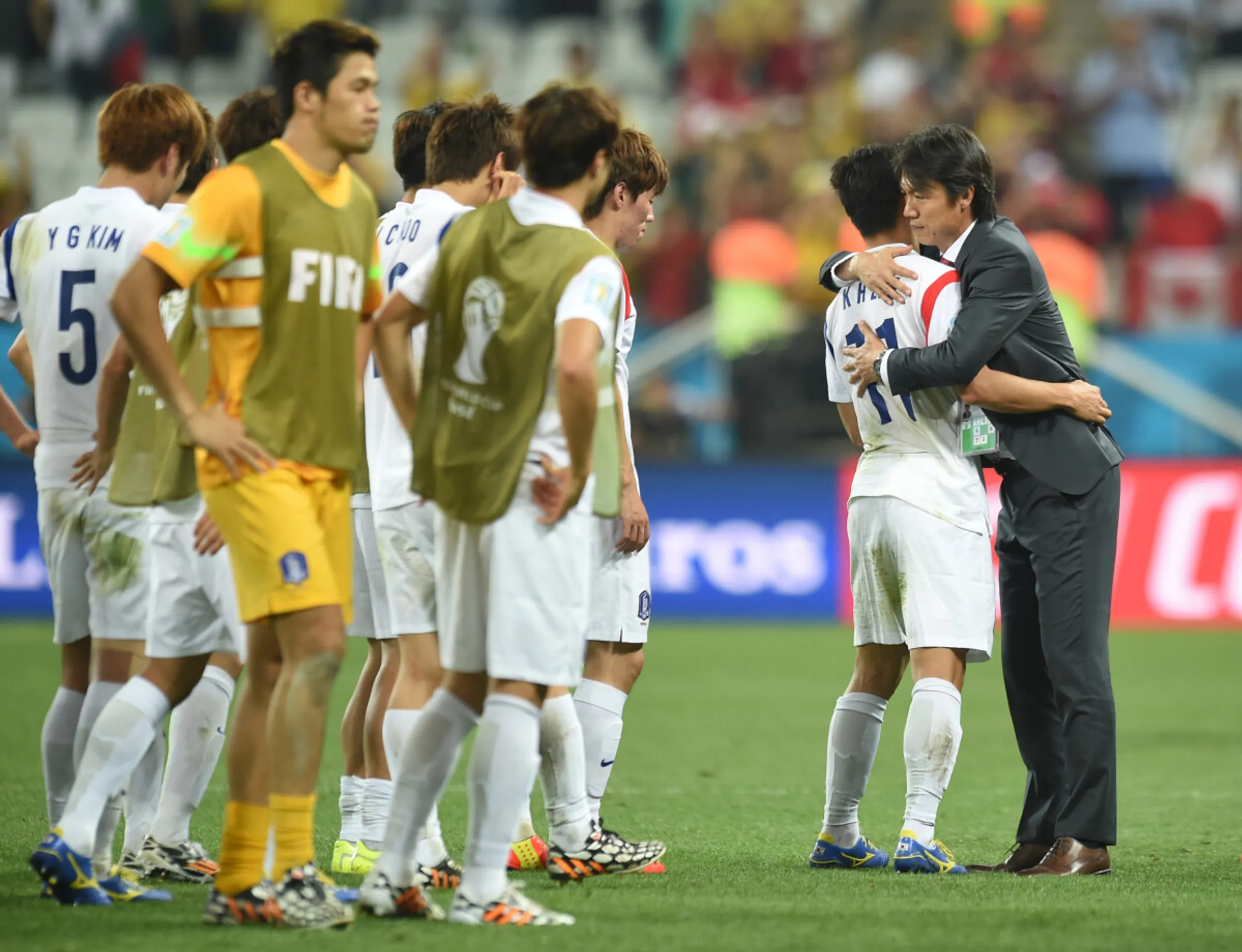
Despite his best efforts, Korea struggled in Brazil, exiting the competition in the group phase to leave Hong to quit the national team and eventually move to China PR and start working with Hangzhou Greentown. Brazil was to prove a rare low point for Hong.
From there he moved into the administrative side of the game, taking over as the KFA’s executive director in 2017 before eventually being convinced to return to coaching when Kim Do-hoon stood down as Ulsan coach in December 2020.
The side he took over had already tasted continental glory, winning the AFC Champions League in 2020 under Kim but had been continually frustrated domestically by great rivals Jeonbuk Hyundai Motors.
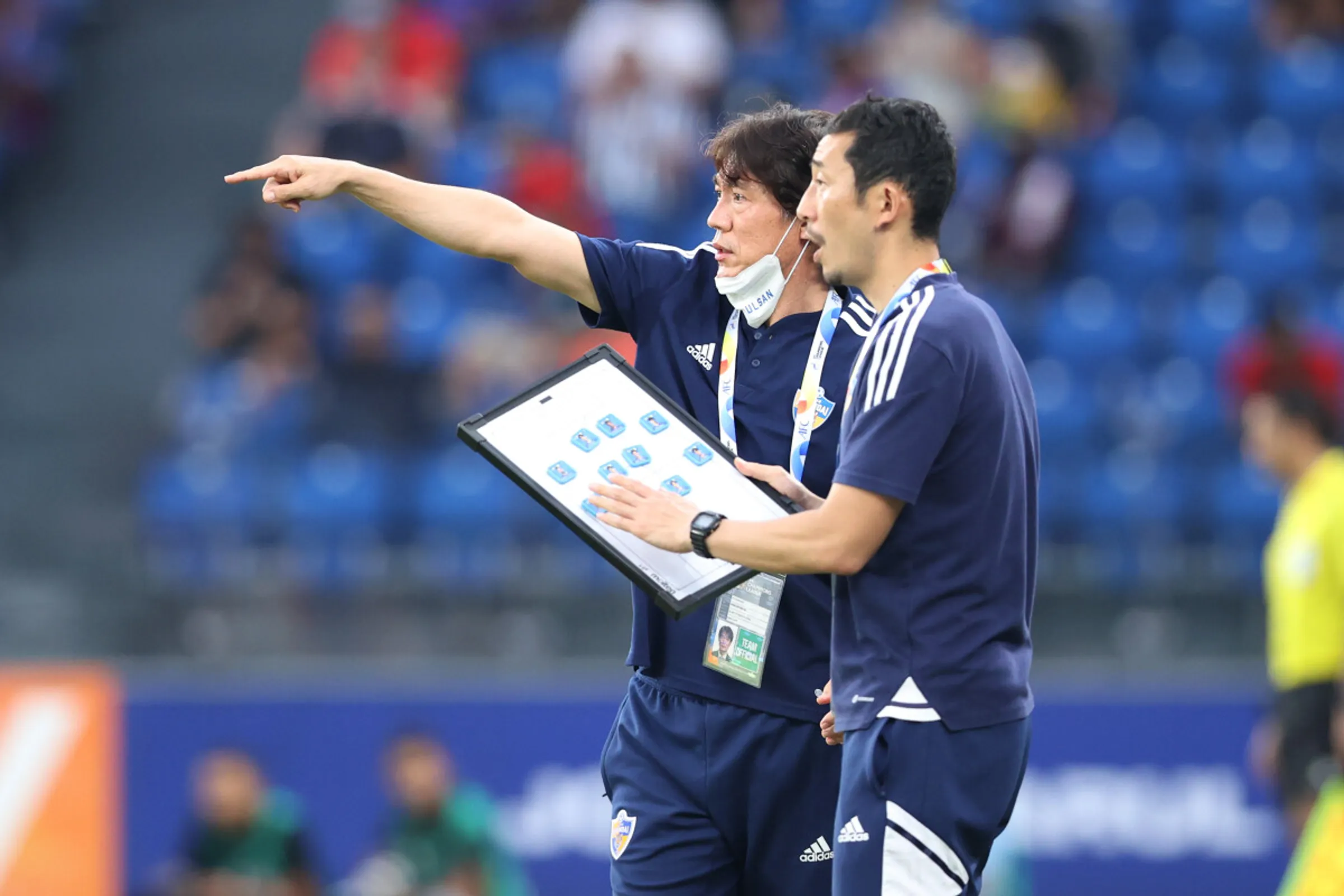
Jeonbuk, like Ulsan a two-time winner of the AFC Champions League, had won four K League 1 titles in a row and six of the previous seven and they would go on to add another to that tally in 2021, Hong’s first season at the club.
Ulsan again finished as runners-up, the third time in a row the club had had to make do with second place.
But there would be no such issues in 2022 as Ulsan led the standings from the third round until the end of the season, eventually finishing the campaign three points clear of Jeonbuk.
“Around this time last year, we had our heart broken, but I didn't stay disappointed too long," Hong said after wrapping up the title. “Although we didn't accomplish our ultimate goal, I could see that the players had been following the right process.
“I was convinced that we would get to the top.”
Related News

Item 1 of 5