Domestic Leagues
The two clubs, who have won the last six J1 League titles between them and will represent Japan in the next edition of the AFC Champions League™, face off after F Marinos won last year’s title on the final day of the season, finishing two points ahead of Frontale.
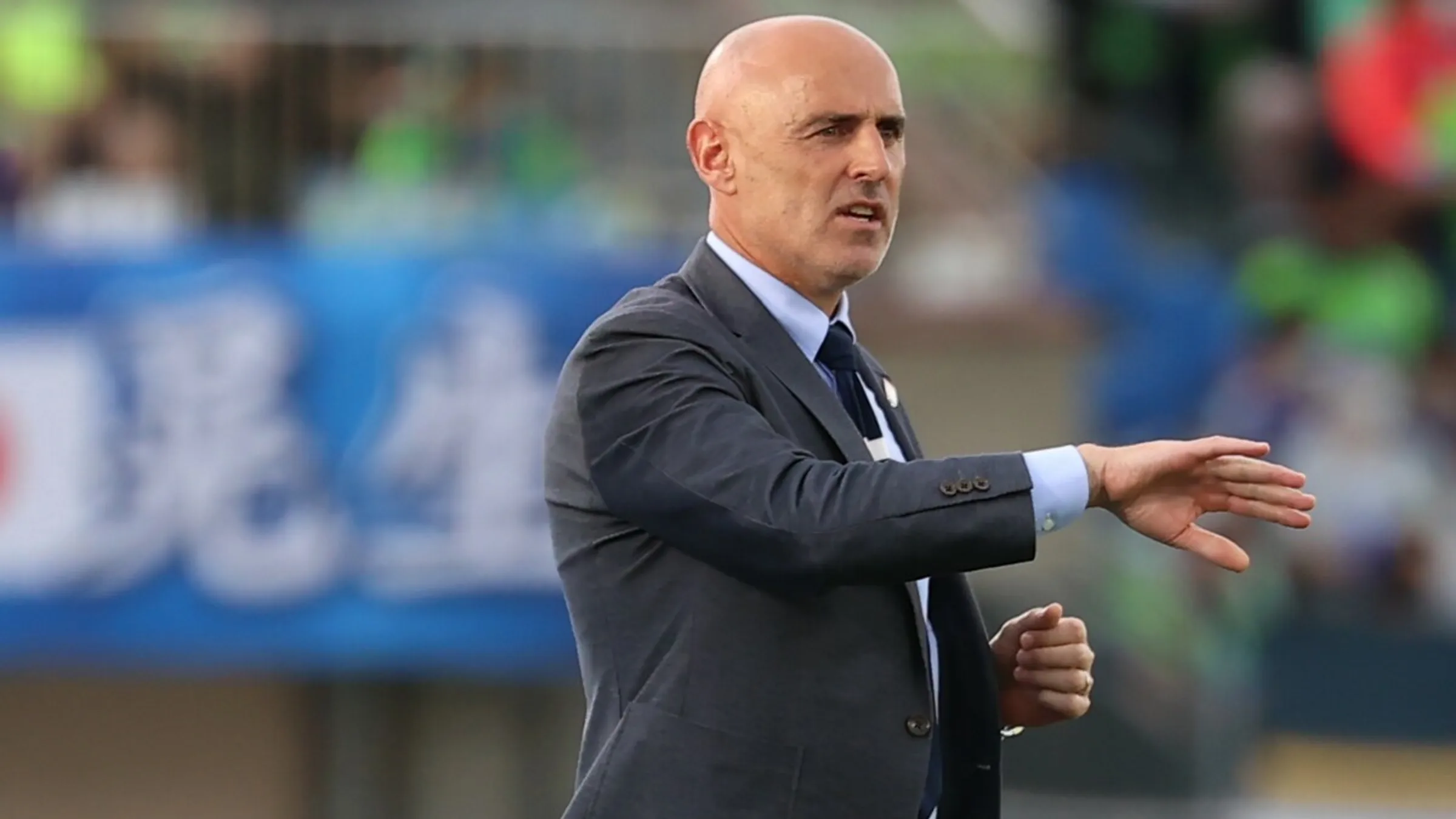
But despite their status as reigning champions, Muscat is taking nothing for granted as the J.League prepares to celebrate its 30th season.
“I think we have to accept that we’ve had a challenging off season,” said Muscat, who has seen several key members of his squad leave since the end of the last campaign. “Our preparation hasn’t been good so far.
“I think the biggest thing for us is that our mentality towards our identity will remain. Of course the growth can come from many, many different areas. We need to get growth from the players now who are in their second or third years in our environment and also to get growth from the new players we have managed to bring into the team.”
Muscat has had to overcome the loss of 2022 J1 League MVP Tomoki Iwata after the defender left the club to move to Scotland to join former F Marinos coach Ange Postecoglou at Celtic while Teruhito Nakagawa, the league’s best player in 2019, has moved to FC Tokyo.
Striker Leo Ceara and last season’s first choice goalkeeper Yohei Takaoka have also left, for Cerezo Osaka and Vancouver Whitecaps respectively, leaving Muscat to oversee a partial rebuild of his team ahead of the new season.
The Australian’s side managed to make a winning start to the year with Saturday’s 2-1 win over Ventforet Kofu as F Marinos lifted the Japanese Super Cup for the first time in six attempts and Muscat is relishing the return to league against against Kawasaki.
“Round One is always going to be big with the anticipation of the offseason,” he said. “Everybody’s training and working for five or six weeks in anticipation of that first game.
“The fact that it is Kawasaki, one and two from last year and it went down to the last game, adds to that.
“I think, also, it’s an opportunity for us. Not only the two teams but for everybody to build on the momentum for football in Japan after the World Cup. After a successful World Cup we want to continue promoting the code of football in Japan.”
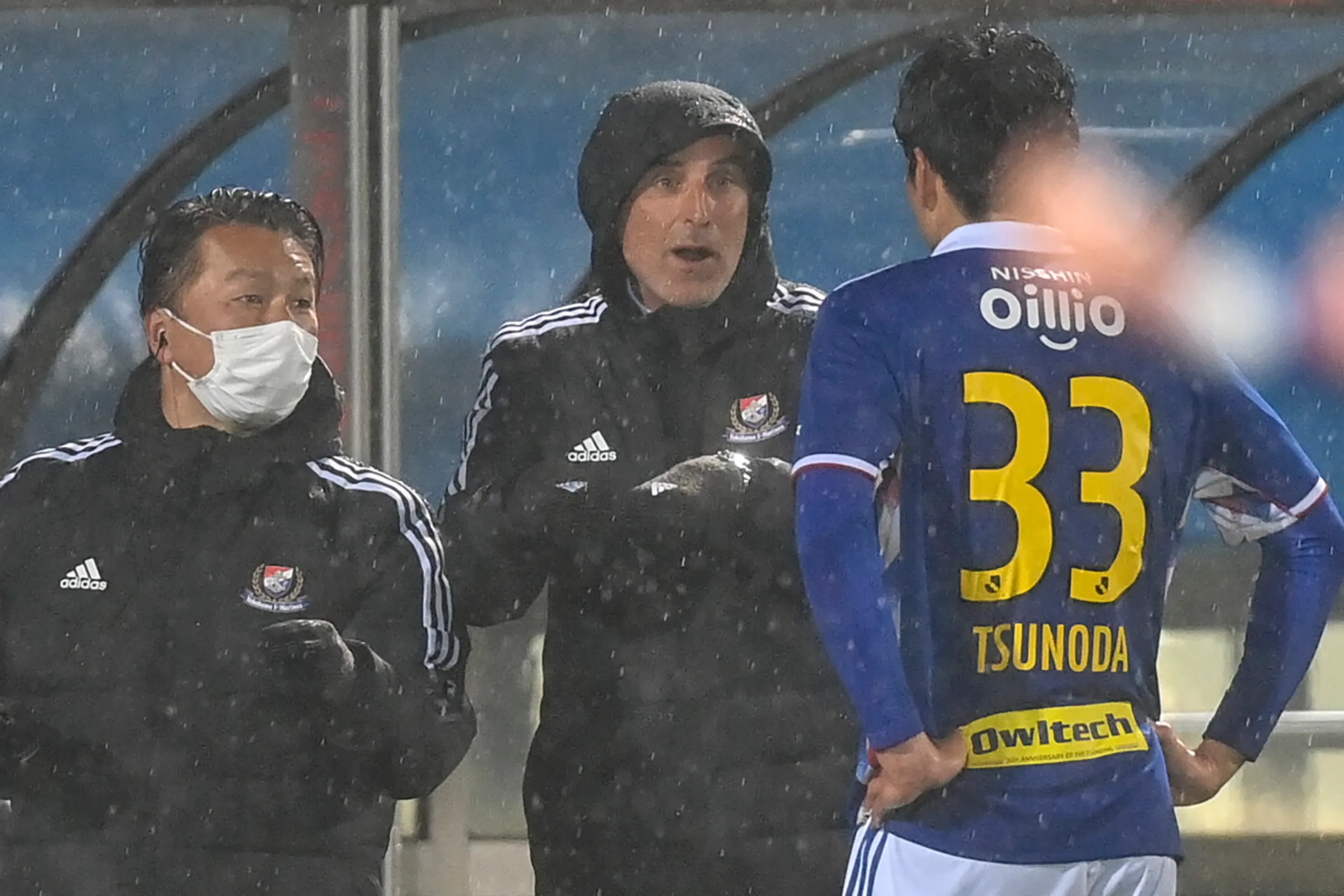
The new season marks the 30th campaign since the J.League was inaugurated in 1993, when Marinos were pipped to the title by Verdy Kawasaki at the end of the competition’s first year.
Yokohama have gone on to win the title five times over the previous 29 seasons and Muscat believes Japanese football must continue to look forward if the J.League wants to continue to be considered the continent’s leading domestic club competition.
“I think for football in Japan over this 30-year period the J.League has established itself as the most competitive and best league in Asia,” he said. “It’s very difficult to compare it to other leagues in Asia because of the superiority of the J.League.
“The mistake would be to look back over the last 30 years. To improve it’s about looking forward and looking and learning from superior competitions outside of Asia.
“As a competition I think we all have a responsibility: players, coaches, the J.League to find ways to improve the product, which is the football.”
Photos: AFP
Related News
- AFC Champions League
Three All-Qatari Round of 16 clashes
- AFC Champions League
ACL 2022 (West) Round of 16: East Asian Players to Watch
- AFC Champions League
FC Nasaf's continental journey through the years
- AFC Champions League
#ACL2022 (West) R16 - How they got there
- AFC Champions League
Join the AFC Champions League™ 2022 Fan Quiz

Item 1 of 5