
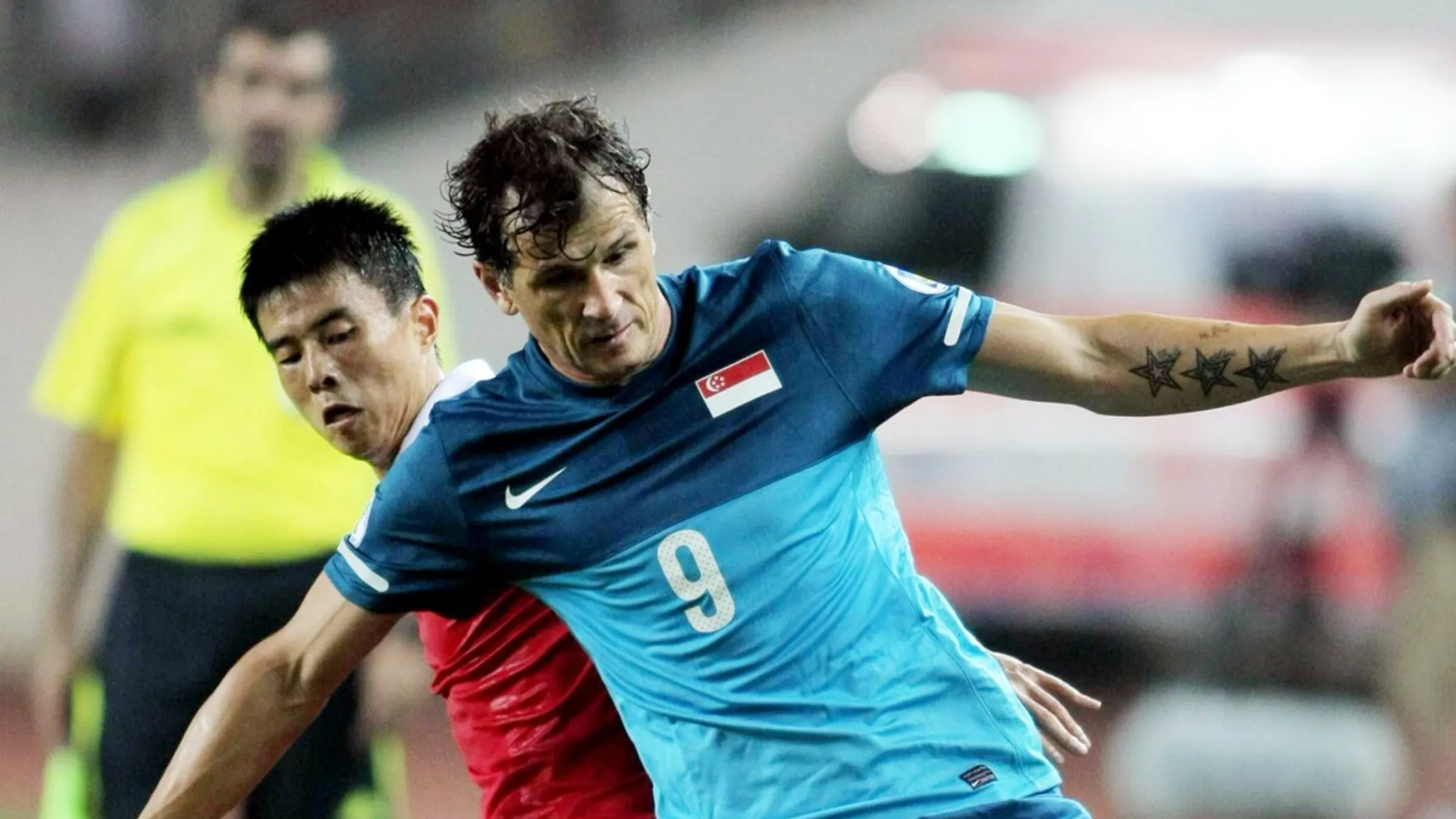
Born in 1970, Durić would famously leave his war-torn homeland to hitchhike his way to competing for Bosnia at the 1992 Barcelona Olympics, only for his footballing exploits to evolve into an equally remarkable tale.
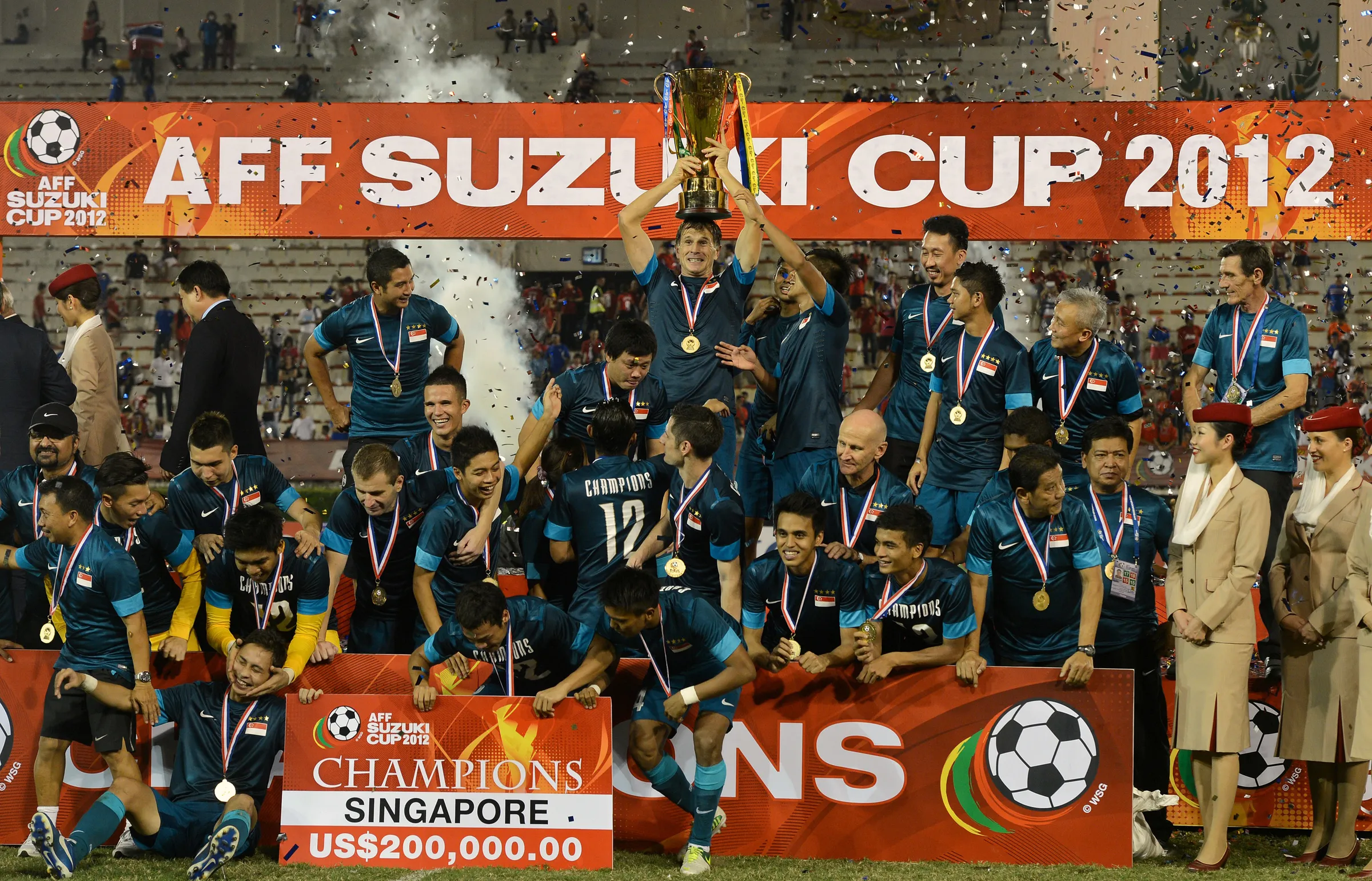
After establishing himself as a professional in Australia and China, a former teammate’s recommendation took him to Singapore, sparking a 15-year, 387-goal love-affair which saw Durić make an international debut at the age of 37 and win the 2012 AFF Cup before finally retiring as a beloved figure in 2014.
In conversation with the-AFC.com, Singapore’s Olympian goal-machine looks back of over his extraordinary career, and his plans to guide the next generation of Singaporeans in his role with the ActiveSG academy.
Growing up, switching sports and Barcelona 92’
My life was always around sport. I grew up in a small village where football was the main sport and we didn’t have anything else. The biggest teams were Red Star Belgrade, Dinamo Zagreb and Hajduk Split, and as kids we used to copy and paste the Yugoslavian League into our own games.
Canoeing and kayaking became a part of my life when I was 12 years old. I played football in a regional league, but kayaking started to take the majority of my focus from the age of 12 to 20, because I was getting good results, becoming well-known internationally and becoming a candidate to compete in the Olympics for Yugoslavia. Of course, that didn’t happen. Yugoslavia disappeared from the map in April of 1992, so my only option was to represent Bosnia.
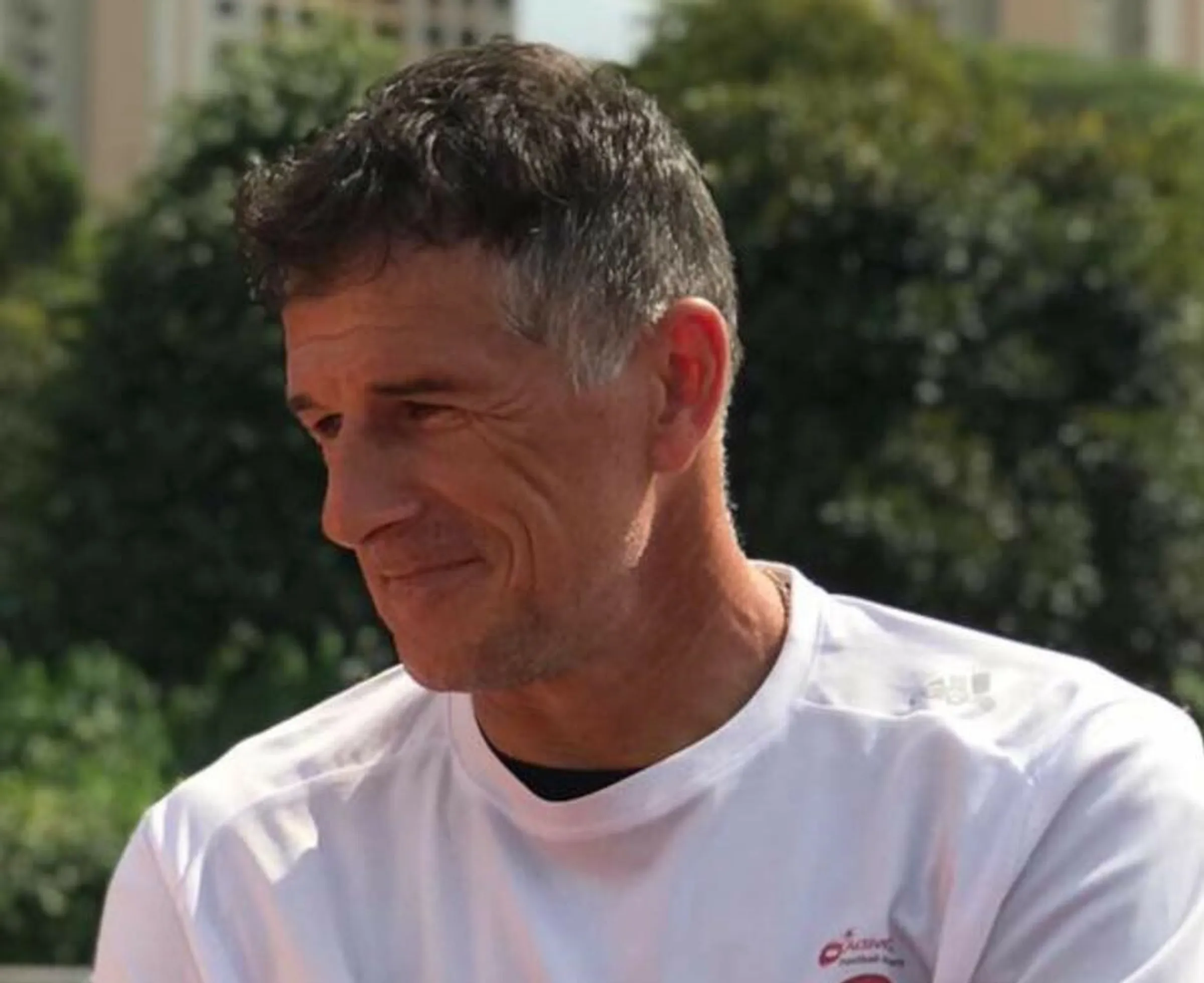
I was a Serbian. At the time in 1992, my brother and my father were fighting against this (Bosnian) flag, so for me to go to the Olympic Games was very much a hard decision, but I always believed, as a sportsman and a human being, that you don’t hate people because they are a different race or religion. That’s how my mother and father taught us.
I went to the Olympics with a lot of pride, but I knew I would carry something for the rest of my life. It was a really difficult decision, but I don’t regret it all. I am proud to be one of the first Olympians for Bosnia-Herzegovina.
Surviving as a sporting professional
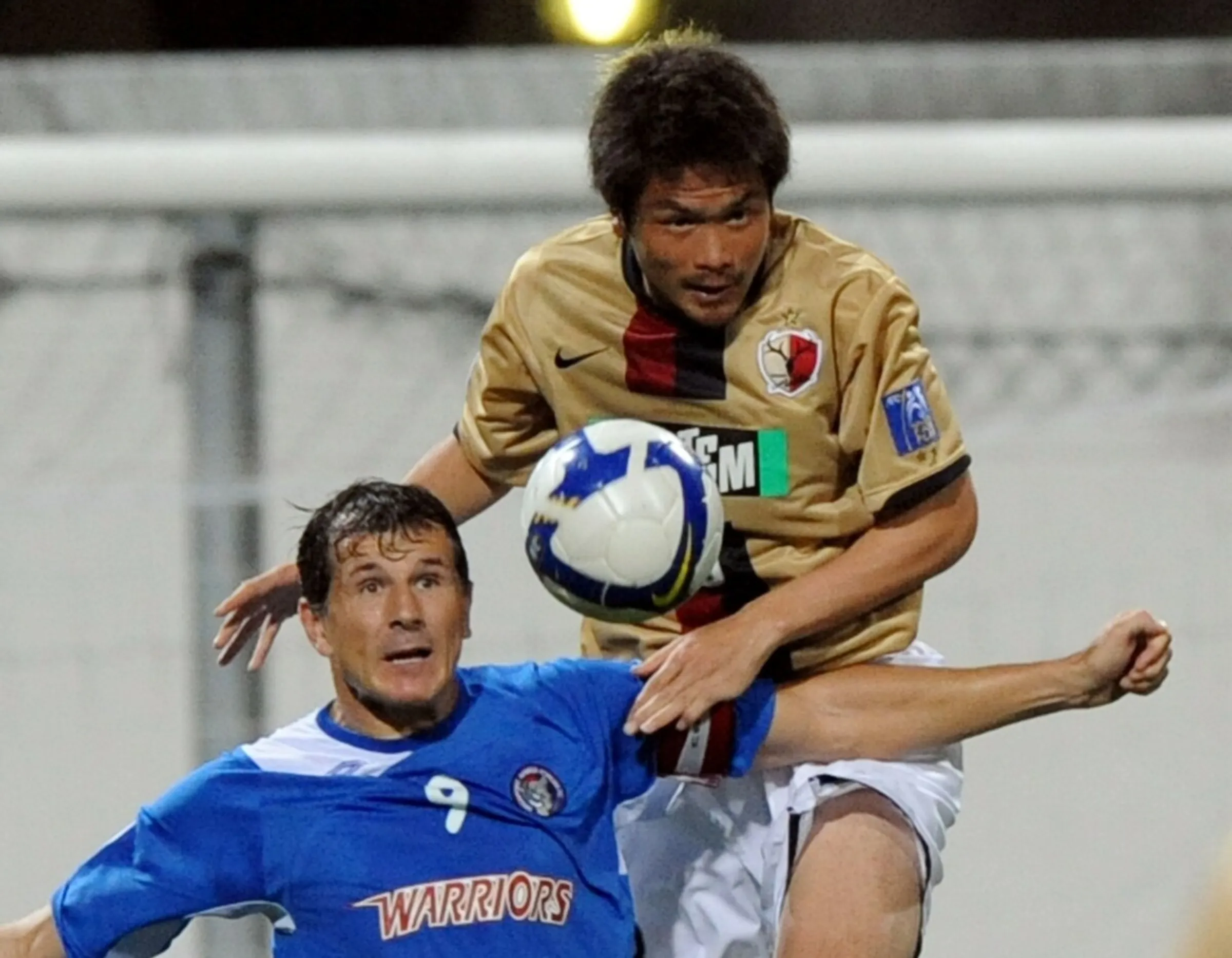
I heard they were paying some money in the lower divisions in Hungary, and I found this club in the third division in Hungary, in a city called Szeged. The coach didn’t really ask me much, and he didn’t really care when I told him I was also doing canoeing, he just told me to show him what I could do, and I started training with them even before the Olympic Games, but without a contract.
After the Olympics, they didn’t offer me a contract, but they offered to pay me some money to play for the next six months. All my papers were still in Bosnia. How can you sign a player who has arrived in the country with no papers? They enquired with the Hungarian federation and they were able to give me a new life. They checked with FIFA and I didn’t have any issue with getting new papers. I signed as a foreign player, but without any connection with my old club in Bosnia.
Honestly, I thought this was a chance that I needed to grab to survive somehow in Hungary. I was so desperate to have something, because I didn’t know where my life was going. There was still a war in Bosnia, and I needed a visa to stay. My club helped me a lot. Hungary as a country helped me at a time when I needed to stabilise my life.
Australia, China and becoming a professional
In 1995 my Hungarian coach had a friend who was in South Melbourne, Frank Arok. He was a former national team coach of Australia. He was from Yugoslavia, but he lived in Australia for most of his life and he was quite a well-known name in Australia. I fit the description of the type of player he wanted; the only problem was how to get to Australia. I applied for the refugee visa in the hope that I may get it so that I could go for a trial, there was no guaranteed contract. I arrived on the 15th of September and signed the contract on the 30th of September.
I arrived as a left-back but I started playing as a stopper, which was new for me. I just wanted to play and see how far I could go as a professional. In Hungary I was a professional, but when I arrived at South Melbourne, I realised this was a big club with a lot of history and a big following. Even today, South Melbourne is still a big club.
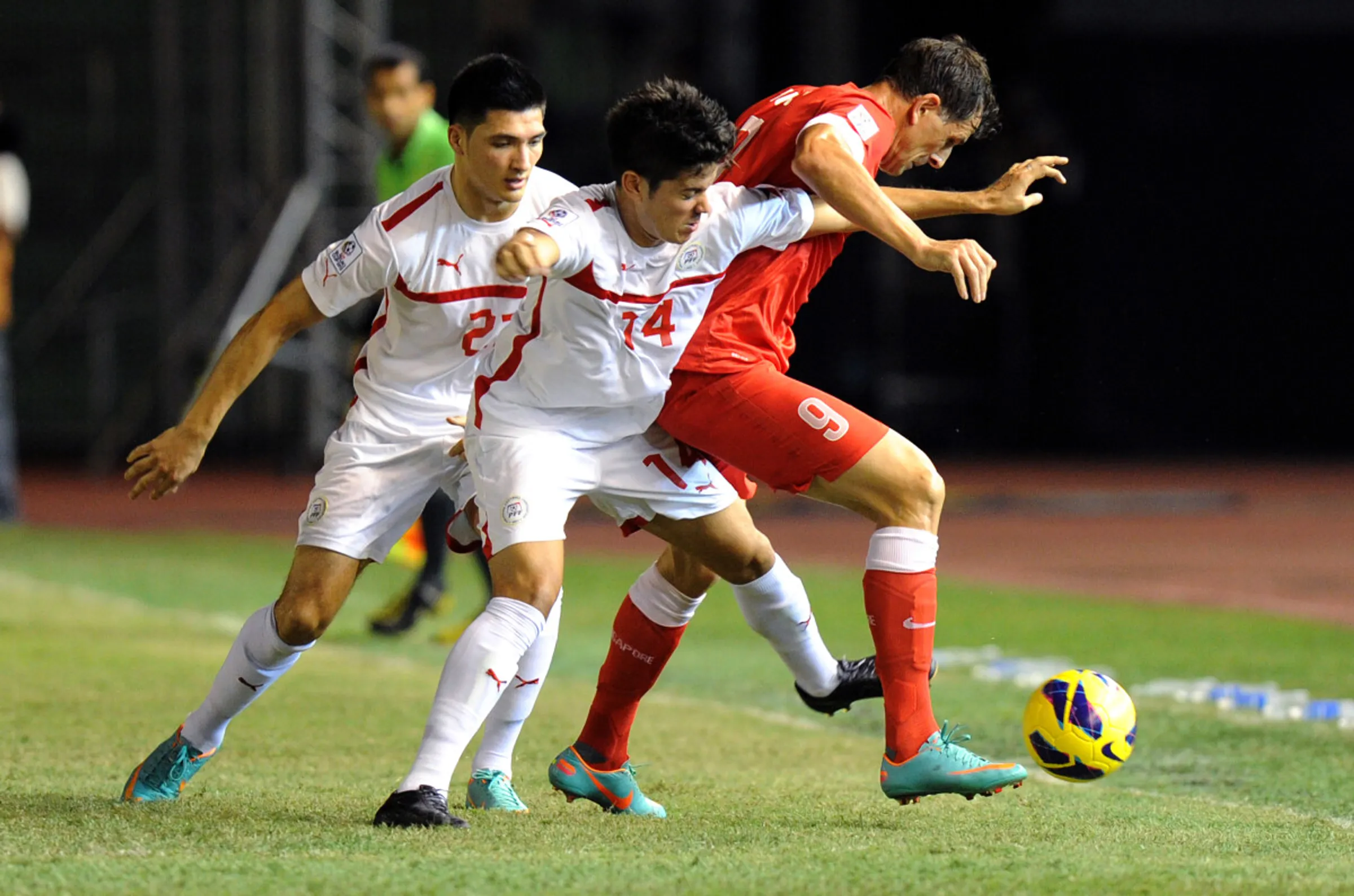
I struggled as a stopper, but after a year Frank Arok moved to Gippsland Falcons and took me with him and there I played in the position I really enjoyed, which was left-back or left midfield and there I really blossomed as a player in 1996 and that’s how I ended up playing in China (for Locomotive Shanshan).
The Chinese League had just started with League A and League B – we were in League B – and it was a tough, tough league. At that time, we were staying in camps. It wasn’t like you had your own apartment. Everyone in the team was staying together. We had three trainings a day, all of it physical, and that’s when I really became super fit. I was fit before, but that time I couldn’t imagine how fit I was.
Money wise, I was happy, because I could now afford to buy a place in Melbourne, and I had some money in my pocket.
‘A lot of goals’ in Singapore
Ending up in Singapore was an accident.
I was with West Adelaide, and they ran into financial problems. The club went into liquidation and my last game for West Adelaide was against Adelaide City. I scored one of the best goals I ever scored, and that was it.
After the game they told us we were free agents, and I thought I would wait to see if any Australian club would pick me up. I got a call from (former Australian international) Eddie Krncevic, who was a very close friend, and he told me about a club in Singapore that wanted a striker and I asked him ‘Eddie, are you sure they have a professional league in Singapore?”
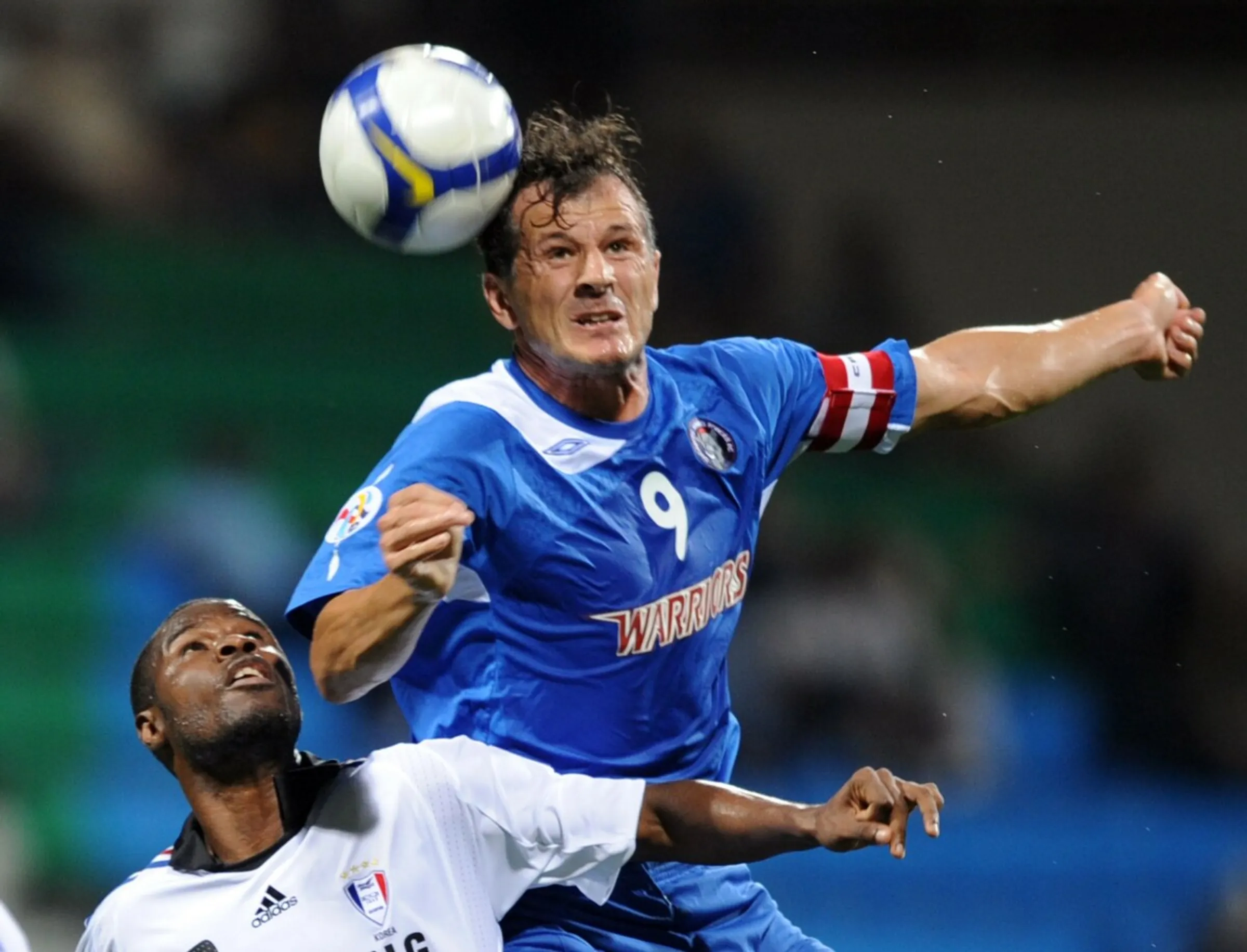
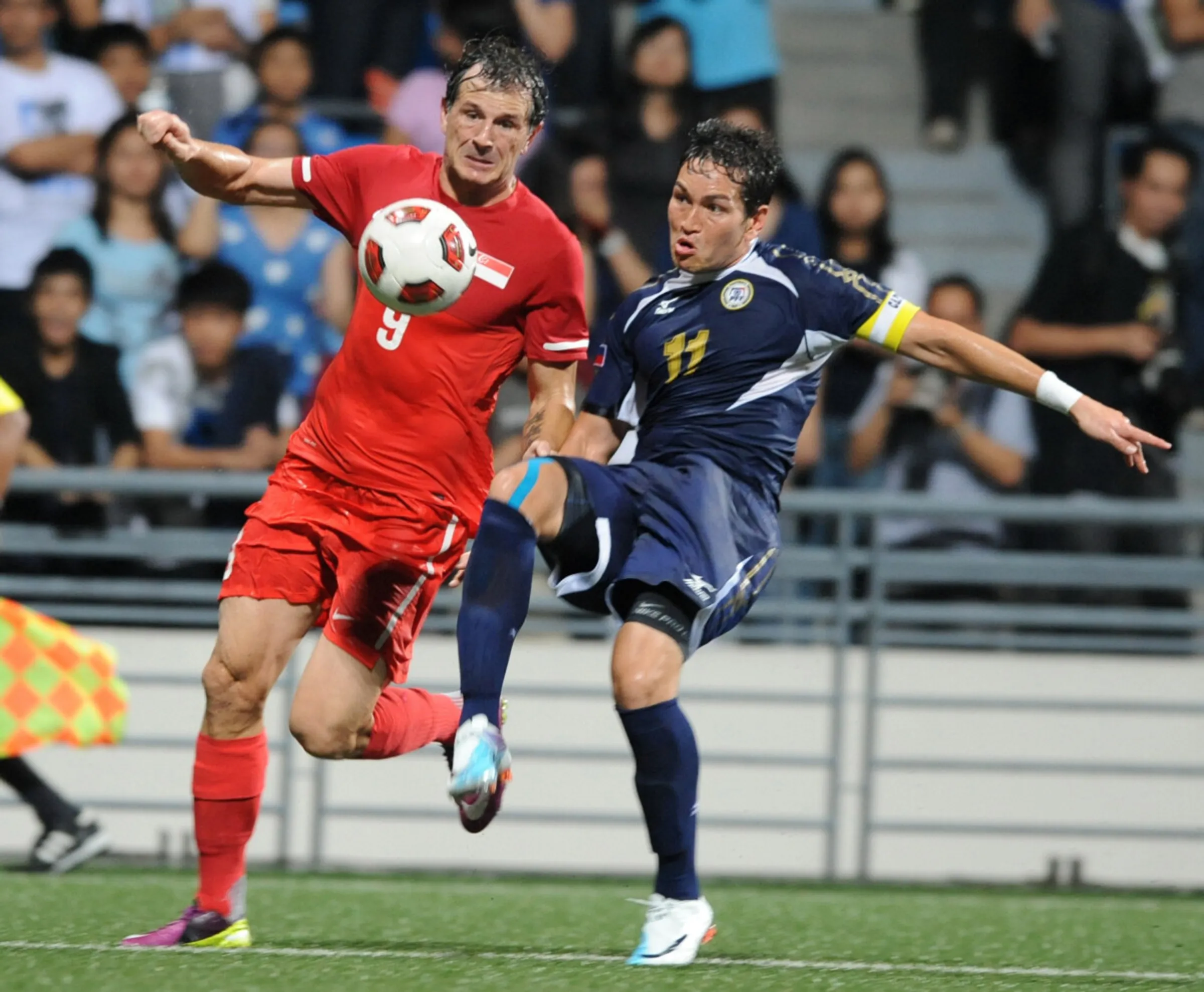
When I arrived, it was a shock. The league had already started. The club, Tanjong Pagar United, was really good but I had problems with the weather, and at the start I found it difficult with not enough space to play, with players who didn’t understand where I wanted the ball. To be honest, I struggled for the first two months. For quite some time when I started in the S-League I was worried that, as a foreign player, and a striker not scoring goals, I would be going home.
I realised that I had better start scoring. Luckily, I did, and the rest is history.
I scored a lot of goals, but I was lucky that I played with the best local players in Singapore. You need them. You can’t do it on your own, and I was lucky that in the teams I played for I had good teammates with a good understanding.
To me the goals were just numbers. I just wanted to win the games with my team, and I didn’t really care who scored. I cared about being successful with the teams that I played for.
A new nationality, and a debut at 37
I got married in 2000 and we started to build a family. My daughter was born here in Singapore in 2002 and I got a longer contract. My son was born in 2004, and I started feeling that Singapore was the best place for me.
I started feeling like Singapore was really my home, especially after spending so long travelling around the world and looking for a home. Sometimes you have a feeling for something, and I told my wife ‘I want to become Singaporean.’
They rejected me twice for Singaporean citizenship, and I was already 37. The third time, I got it and I was over the moon. I was playing for Singapore Armed Forces and that was my best year. I scored 44 goals, we won the league, won the cup and I was flying.
Then one day, in October 2007, my general manager came down to training and said ‘congratulations” and handed me a letter. Congratulations for what? He told me I’d been called up for the national team.
On the way home from training I started to think of whether I really needed to take on another challenge. I had established myself as a player and I never really thought about playing for the national team. I was 37. This when you’re thinking about retiring, but I called the national coach, Radojko Avramović, and we had a meeting. I asked him: “I know you called me up, but do you really need me?”. He said ‘It’s up to you, but I just look at you as a player, I don’t care how old you are’.
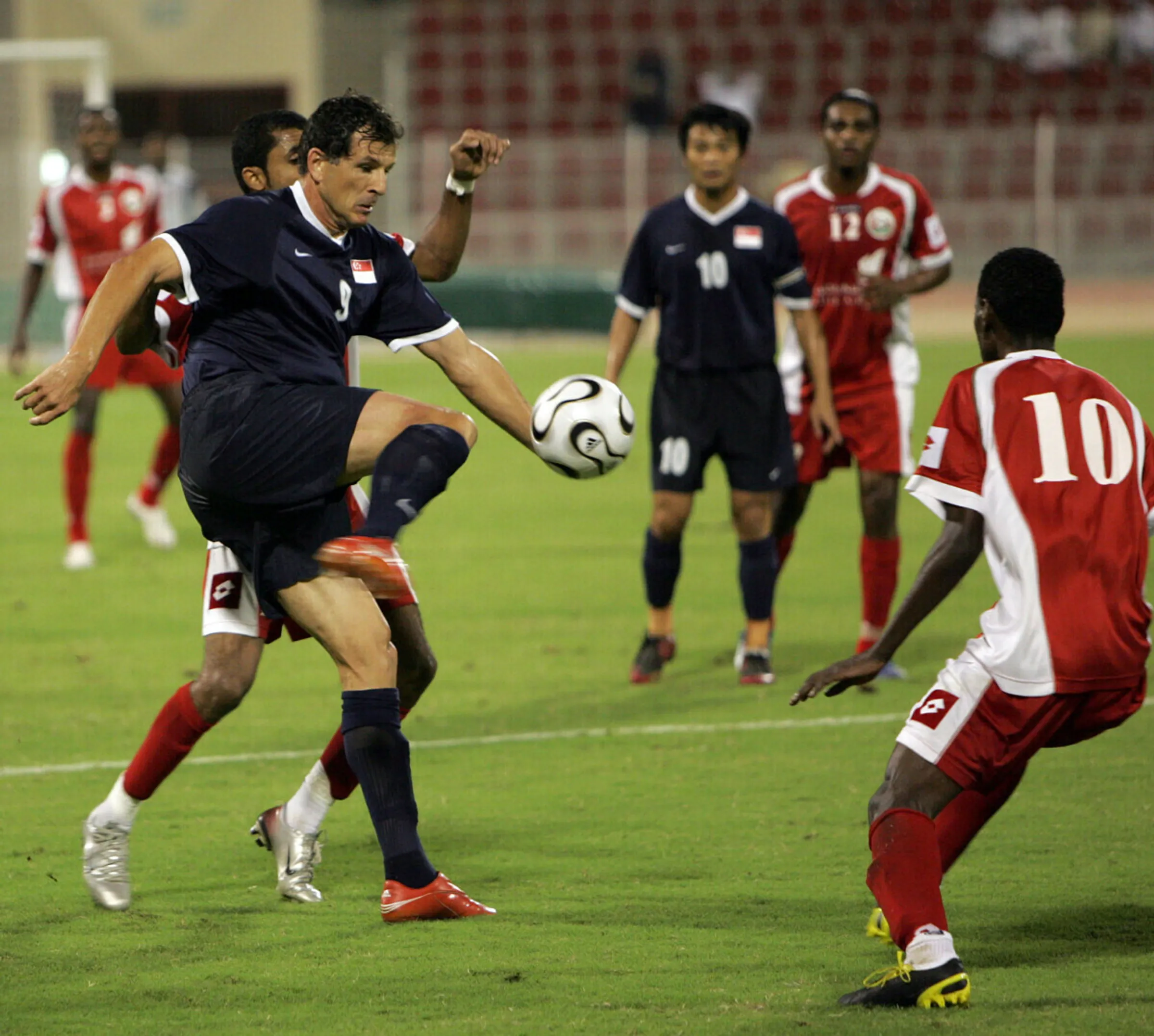
After that I thought, ‘Here we go, another challenge in my life’. In my first game I scored two goals against Tajikistan. That game, I will never forget. I actually hit the post twice. I should have scored five goals. I was flying. If the game lasted three days, I would have played for three days because I was over the moon.
At age 37 I had my start as a national team player.
Memories as a Lion
The best memories were qualifying twice for the group stage of qualifying for the FIFA World Cup, which Singapore never did, and we were also so close to qualifying for the Asian Cup in 2011. We lost to Jordan when we just needed a draw to go through.
I still remember the two failed AFF Cups in 2008 and 2010. Especially in 2010, I thought we had our strongest team, but we still failed, and I thought I would never win anything with the team.
In Southeast Asia they live for winning against your neighbours. I remember I scored the only goal against Thailand in Bangkok, and they told me it was the first time we won in Bangkok for 35 years. Of course, there was also Malaysia, and I scored a lot of goals against them.
We had a lot of good players. I will never forget when Hariss Harun joined us with the national team as a 16-year-old boy, and I always had a feeling he would go far. He had the hunger, the desire and the discipline. When he came to us, he was nothing compared to the player he is today, but he worked very hard, and he’s definitely one of our best players now.
I loved every moment that I played for the national team. I was also the captain one time against Bahrain, and that’s something I could never have dreamed of. Every moment was a happy moment for me in the national team.
From the village to the big city, and building Singapore’s future
I was a small village boy, and I never really changed even with all the beauty of Singapore. What I like here is the mixture of races, religions and people living peacefully and happily. The city has changed unbelievably since I have arrived, but I like living a normal life. I still have the same hobbies: running, going to the gym, and now I’m super busy building a younger generation to play sport. Here, education is the number one sport, and we are trying to show that education and sport go together.
I have 3,000 kids in my academy. We are giving the opportunity for every child in Singapore to play football. I have 150 coaches under me, and we are really building something for the future. The kids also learn discipline, teamwork, simple things, but I believe in the long term it will help the country. It’s a big family orientated academy.
In life, you always have to have a target to work towards, otherwise, what’s the point? We came out with a goal to qualify for the World Cup by 2034 and yes, it’s a huge project and we need to all work together with all the government agencies and private academies to understand that this can only work if we are all united by the same goal.
This is quite a long way away, but the years are going very fast and I think the generation of kids that actually have a chance to be included in 2034 are the kids I have in my academy. We need to give those kids huge support and help to show them how to reach that level, and to do that I think it’s not good enough just to stay in Singapore. We need to send our best kids at a young age, school them overseas and let them become more independent.
I’m looking forward to helping in any way I can. It will be challenging, but that’s life, if you don’t take the challenges, you don’t know how far you can go.
Photos: AFP, Aleksandar Durić
Related News
The world’s only Cup winners: Istiklol overrun Khujand in Super Cup
- AFC Champions League
Hariss: Johor Darul Ta'zim have the talent, belief to match Asia's best
- AFC Asian Cup
Asia's greatest national teams: Saudi Arabia 1980-90s
- FIFA World Cup
5 Asian FIFA World Cup Heroes
- AFC Champions League
ACL Legends: China PR
