
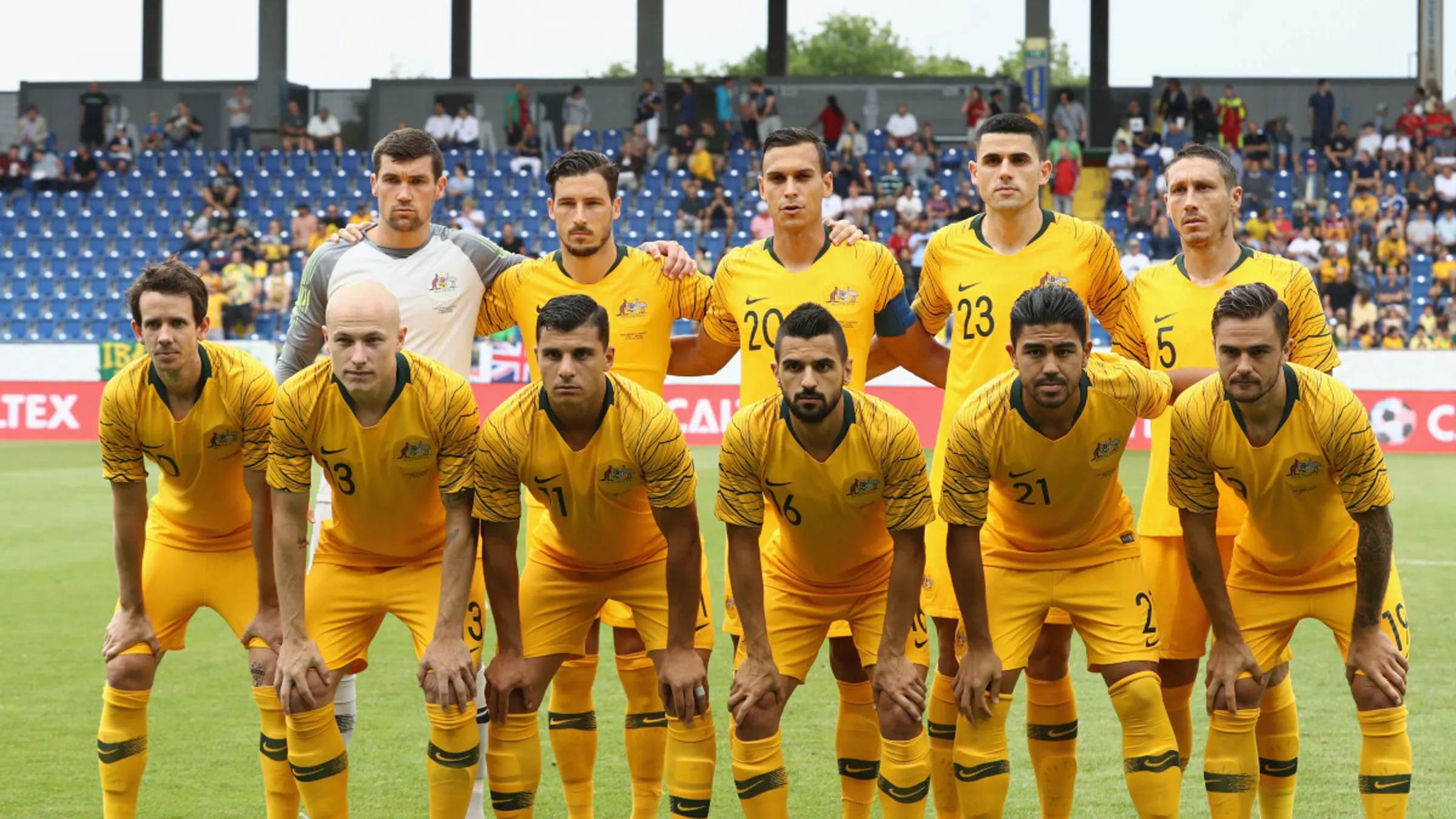
With coach Ange Postecoglou then departing, all eyes will be on replacement Bert van Marwijk to see if he can help the Socceroos to new heights.
Overview
It’s been a rocky road to Russia for Australia after Postecoglou sensationally quit has head coach in the aftermath of their dramatic playoff win against Honduras, a win that secured their place at their fourth straight FIFA World Cup.
van Marwijk, the man who guided Saudi Arabia to their qualification, was handed the reins to take Australia to the FIFA World Cup in January and he has been busy in the ensuing six months getting to terms with the players at his disposal and devising a game plan that will serve Australia well in Russia.
Of particular note, was a recent 4-0 win over Czech Republic in Austria, with the Socceroos inflicting the Czechs' biggest ever defeat thanks to goals from Mathew Leckie and Andrew Nabbout.
How They Got There
Australia took the ‘scenic’ route to Russia after finishing third in Group B behind Japan and Saudi Arabia, which meant two sudden-death playoffs against Syria and Honduras. Remarkably Australia lost just one match in the final round of qualifying, the fewest of any team in the group, but four draws meant they dropped points at vital times which ultimately cost them the chance to qualify automatically. A nervy win over Syria in the playoffs was followed by a more comprehensive 3-1 win over Honduras in the final playoff to book their spot in Russia.
Key Players

Trent Sainsbury – The rock at the heart of Australia’s defence, the Swiss-based Sainsbury will play an important role marshalling the defence and ensuring they remain compact and hard to break down.
Mile Jedinak – The Aston Villa midfielder may be getting on in age, but he showed in the two playoff matches with Honduras why he is so important to this side, with a typically combative performance in midfield. He is the first line of the Socceroos defence.
Tom Rogic – Australia have often lacked a true #10 creative midfielder, but after a standout season for Celtic the stage is set for Rogic to step up and show his true potential.
Coach
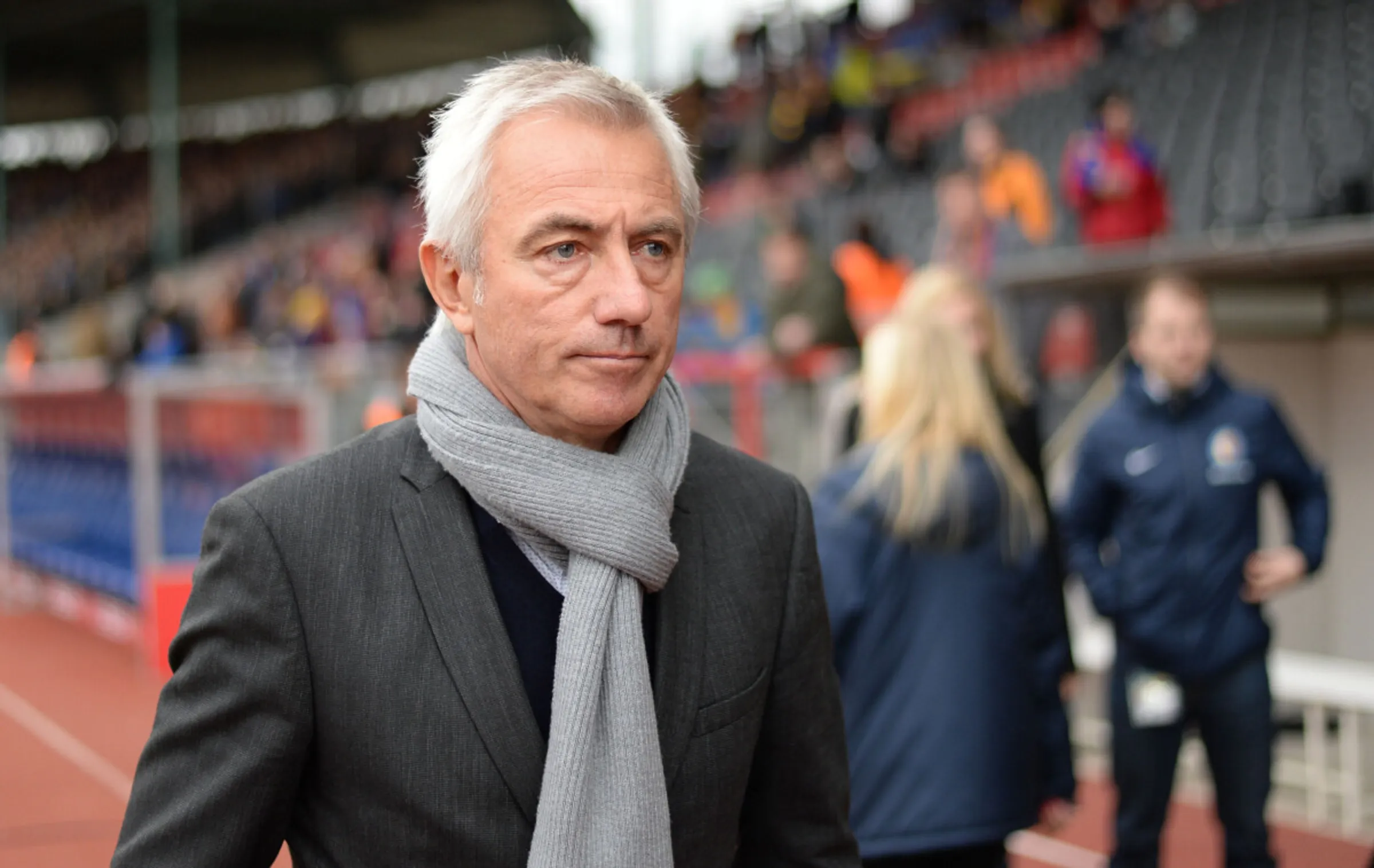
van Marwijk was the man who guided Saudi Arabia to qualification for the FIFA World Cup, but he will lead Australia in Russia. The Dutchman guided his native Netherlands to the final of the 2010 FIFA World Cup in South Africa, and won the UEFA Cup with Feyenoord in 2001/02. Known as more of a pragmatic coach, van Marwijk has shown in his short spell in charge of the Socceroos that he will make them a more compact team that is hard to break down, a far cry from the all-out attack of his predecessor, Ange Postecoglou.
Midfield Boss
Defence remains the weakest part of Australia’s game and against three quality teams in France, Denmark and Peru they will have to be at the top of their game. But the responsibility falls to more than just the four defenders and in that respect Mile Jedinak will be one of the most important players for van Marwijk.

Against Honduras in their playoff win last November, Jedinak was at his absolute best, controlling the midfield and breaking up any attack Honduras could muster. A traditional defensive midfielder, Jedinak doesn’t venture forward often and provides the perfect shield to the back four as shown in his (above) heat map from that match against Honduras.
Quality Delivery
In van Marwijk’s preferred 4-2-3-1 system, it is up to the two wide players – likely to be Robbie Kruse and Mathew Leckie – to provide the width and to get in behind the defence to provide the service to the central striker.
Both Kruse and Leckie have the speed to trouble defences and when presented with the chance, can provide the perfect delivery for those in the box.

Against Syria they did just that, with each providing an assist for Tim Cahill’s two goals, and as the chart shows above they combined for eight key passes into the area which ultimately made the difference.
Interesting Stat
Daniel Arzani, aged just 19, is the youngest player to ever be selected for Australia in their five appearances at the FIFA World Cup. The previous youngest was Mark Milligan, who was 20 when selected in 2006, and this year Milligan will join a select group of players by being selected for his fourth FIFA World Cup.
Did You Know?
Two years ago Andrew Nabbout was playing for Negeri Sembilan in the second-tier of Malaysian football after being let go by A-League side Melbourne Victory, before returning to Australia to play with the Newcastle Jets where his good form has seen him selected for his first FIFA World Cup.
