
Overview
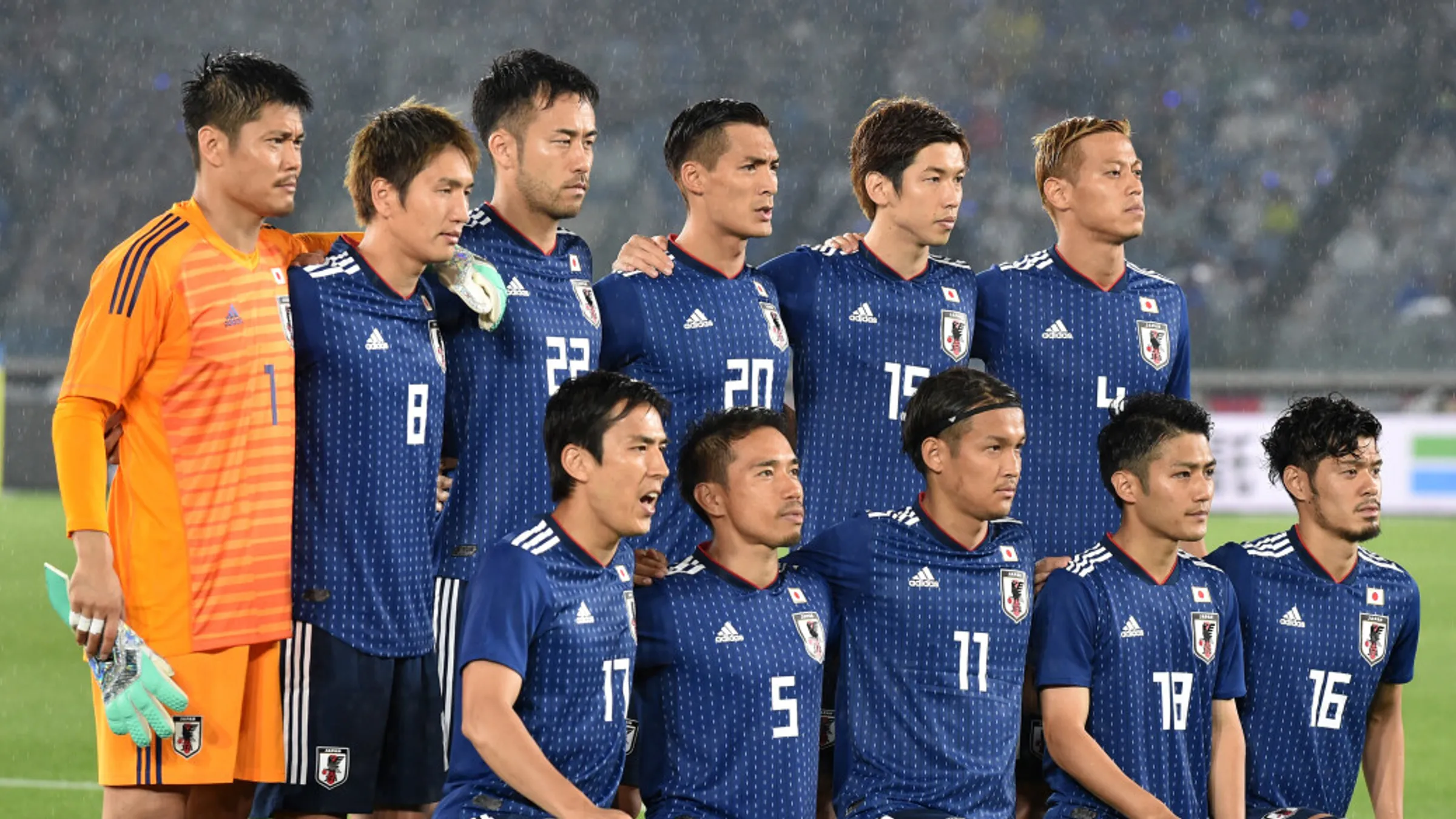
Japan’s preparation for Russia 2018 has not been the most straightforward of Asia's representatives, with coach Vahid Halilhodzic departing the helm just two months before the competition to be replaced with technical director Akira Nishino.
The former Gamba Osaka boss attempted a new three-man defence in his first match in charge, a 2-0 defeat at home to Ghana on May 30, as well as offering a reprieve to big names Shinji Kagawa, Keisuke Honda, and Shinji Okazaki, whose places were in doubt under Halilhodzic.
How They Got There
Japan lost their first game in the final round of qualifiers 2-1 at home to United Arab Emirates, but went unbeaten in their next eight and sealed their sixth consecutive World Cup appearance with a game to spare after a 2-0 win over Australia. They were joint top scorers with 17 goals as they won Group B and had the best defence, conceding just seven times in their 10 games. Genki Haraguchi was the team’s top scorer, finding the net four times.
Key Players
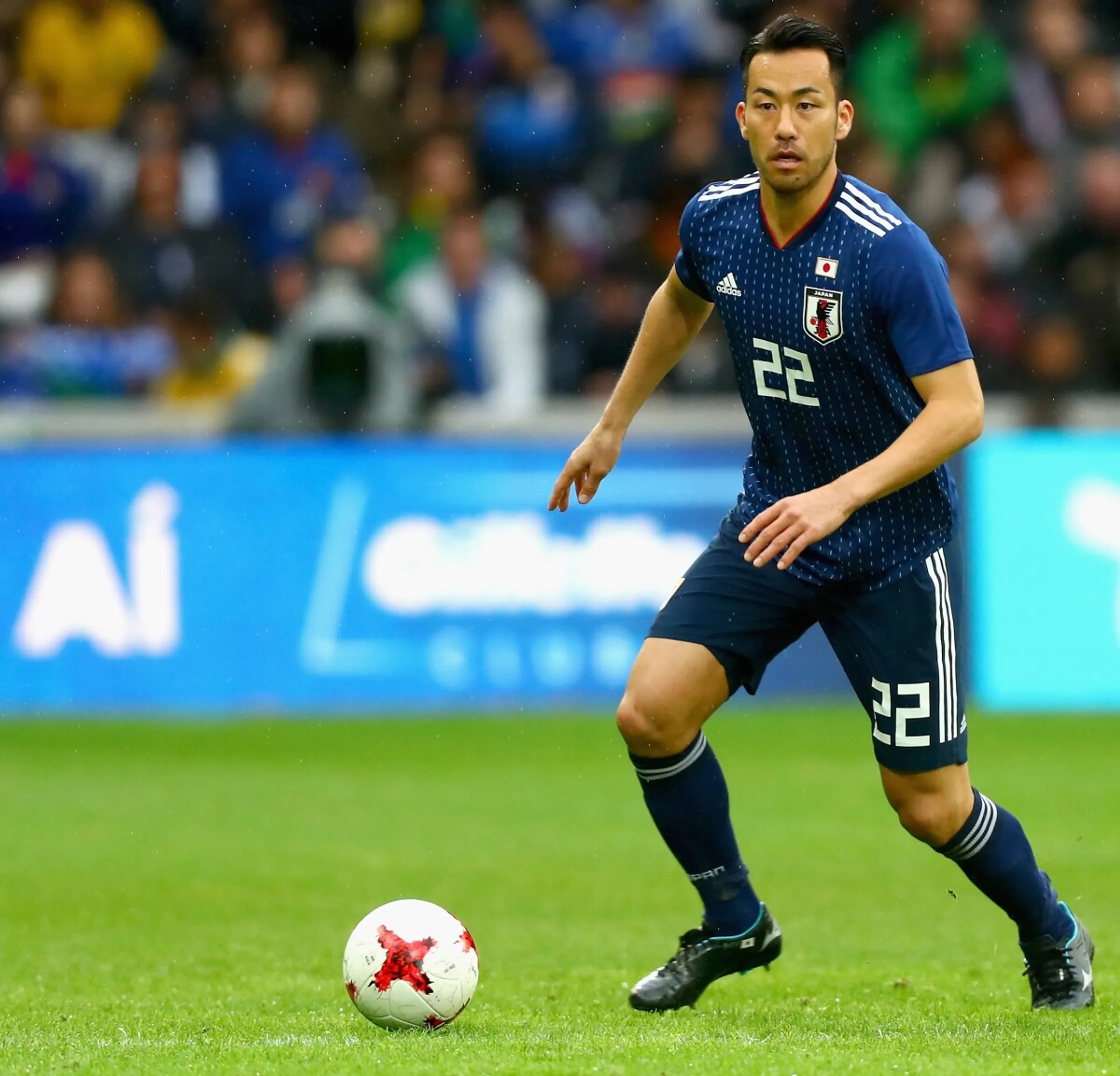
Maya Yoshida – The Southampton centre-back will be expected to marshal the backline as well as posing a threat at attacking set pieces.
Yuto Nagatomo – Will need to keep his discipline as he contends with Juan Cuadrado, Sadio Mane, and Jakub Blaszczykowski, as well as being tasked with getting forward to support the team’s attacks.
Keisuke Honda – A man for the big occasion who has been re-instated as the team's key creator by coach Nishino. Will be looking to score at his third consecutive World Cup.
Coach
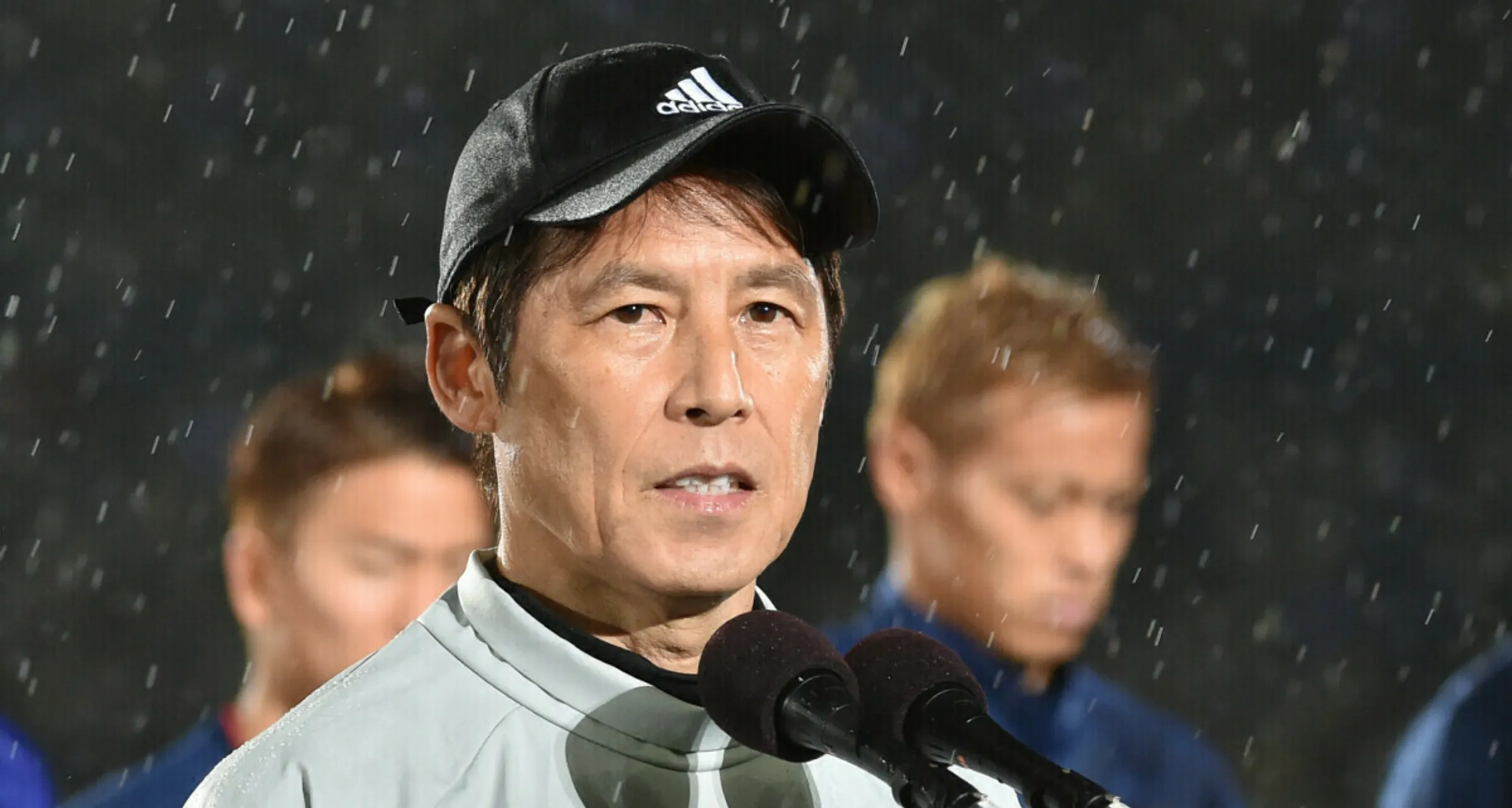
Akira Nishino enjoyed huge success at Gamba Osaka between 2002 and 2011, winning every domestic title and the AFC Champions League, as well as being named AFC Coach of the Year in 2008. Prior to that he led Japan to the ‘Miracle of Miami’ at the 1996 Olympic Games, beating a Brazil side that included Roberto Carlos, Rivaldo, and Ronaldo 1-0 thanks to a Teruyoshi Ito goal. Has selected an experienced squad with an average age of over 28.
Width the way forward
The contribution of Japan’s wide players will be key in Russia, and with Yuto Nagatomo likely to be kept busy defensively there will be an extra onus on Hiroki Sakai to get forward.

As seen in his heatmap from the decisive 2-0 win over Australia, the Marseille man is fortunately far from hesitant in that regard.
Always looking to overlap and deliver crosses into the area, a good World Cup for Sakai could mean a good World Cup for Japan.
Passes need end product
Japan are renowned for playing neat passing football, but they often lack the incision needed to round off their prolonged periods of possession, as was evident in the 0-0 against 10-man Greece at the last World Cup.

The same problem also cropped up in the qualifiers, most notably at home to Iraq, and as the visitors packed men behind the ball after Saad Abdul-Amir had made it 1-1 on the hour mark, Japan dominated proceedings but were unable to make their 77.5 percent possession over the next 15 minutes count.
In the end they needed a 95th-minute bullet from Hotaru Yamaguchi to snatch all three points, and they will hope they can be more decisive in Russia.
Interesting Stat
Keisuke Honda hasn’t found the back of the net for the Samurai Blue since he opened the scoring in their first match of the final round of qualifiers against United Arab Emirates on September 1, 2016.
Did You Know?
Goalkeeper Eiji Kawashima can also speak English, Spanish, Italian, Portuguese, and French, and his wife Hiroko is half-Colombian so will have split loyalties when the sides square off in Group H’s opening game on June 19!
