
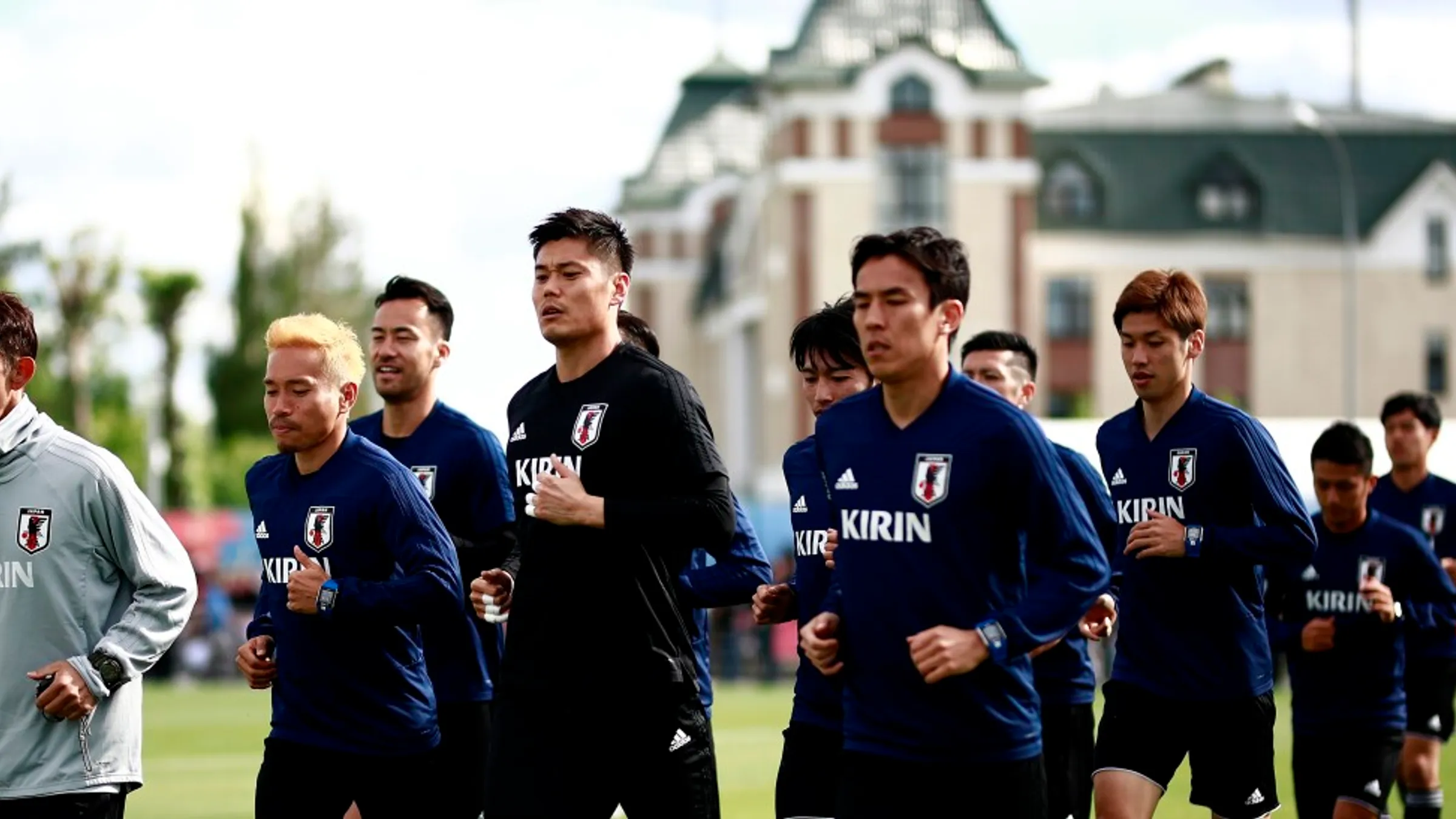
Nishino was appointed as Vahid Halilhodzic’s replacement just two months before the tournament started following the former Algeria coach’s removal from the post by the Japan Football Association.
It was a contentious decision, but Troussier is convinced the hiring of Nishino can restore confidence and instill a greater Japanese identity within the squad as the nation prepares to make a sixth straight appearance at the Finals.
“Football is mechanic – you need to run quickly, you need to jump, you need to play for a long time, you need to be fit. We need that,” said the Frenchman. “But the bonus of a team is the political atmosphere.
“That means the fans must be on the side of your team, they have to love your team and maybe Nishino can bring that, bring the national flag inside the group and bring unity, communication.
“Of course he can’t change the whole list of players but he can change the feeling within the team. From that anything could happen.
“This is what I used in 2002 when I decided to take Yutaka Akita and Masashi Nakayama,” he said of his decision to include the two veterans in his squad when Japan co-hosted the World Cup with Korea Republic.
“I evaluated one hour before I decided my final list that something was missing. What was missing? The guardian of the temple. We needed these Japanese values and Akita and Nakayama gave this to us. I think Nishino can do this for Japan.”
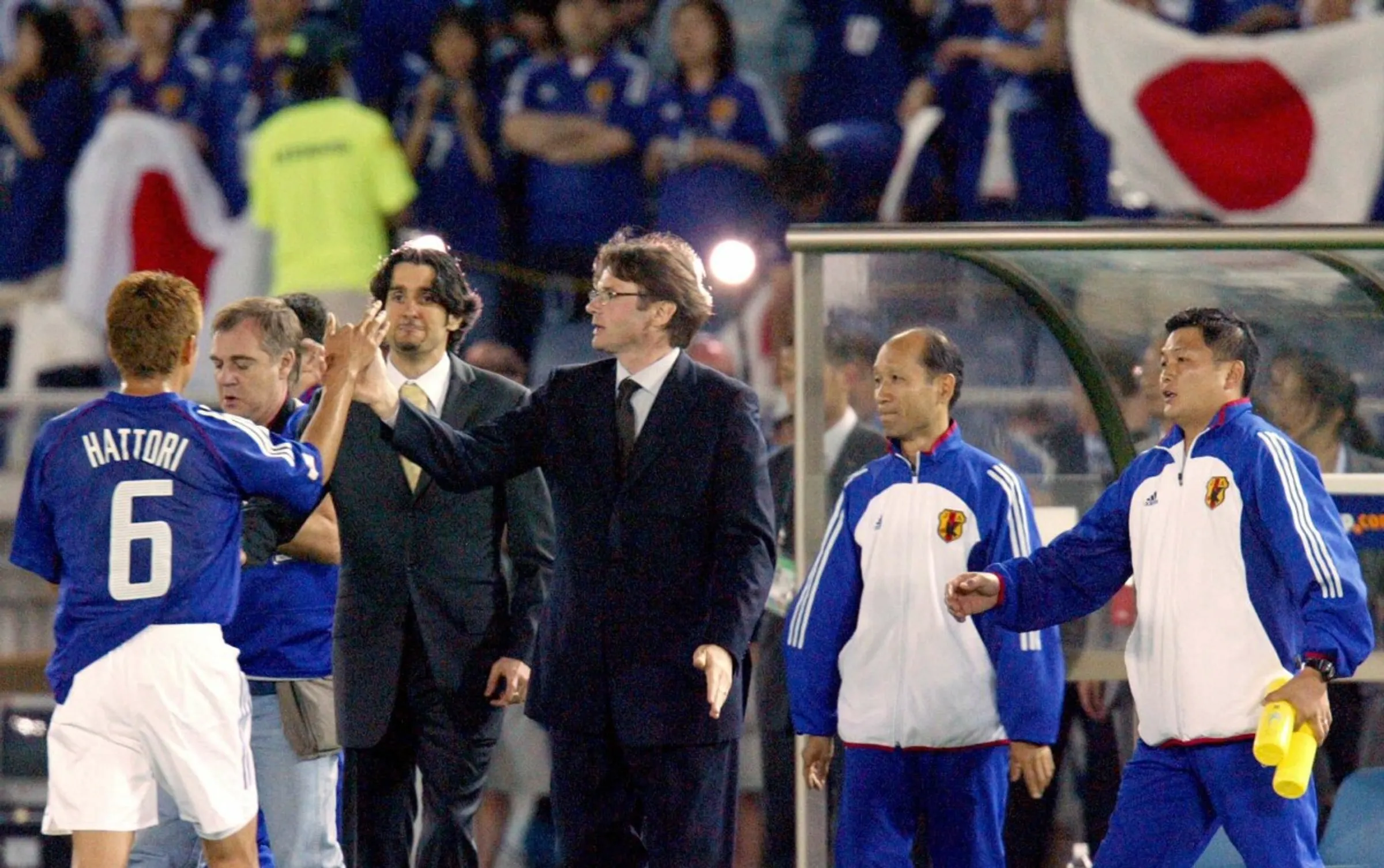
Few foreign coaches know Japanese football as well as Troussier, who guided the country’s young players to the final of the FIFA U20 World Cup in Nigeria in 1999 before steering the Japanese to the last eight at the Olympic Games in Sydney a year later.
He then went on to lift the AFC Asian Cup title in 2000 – a win that also won the Frenchman the AFC Coach of the Year award – and then took his team to the last 16 of the 2002 FIFA World Cup, Japan’s first foray into the knockout rounds.
That capped a hugely successful period for Japanese football, but the former Qatar coach also knows firsthand the challenges that face Nishino as coach with little time to prepare. In 1998 he took on a similar task when appointed at the last minute to leave South Africa to France.
“It is very difficult and I made the mistake of trying to get the best mechanical team, and that’s not the best team,” he said. “The best team is the best political team, the team that is recognised by the nation as part of your blood, part of your history.
“We only lost one match and we got two points, the first time in history. We lost only once and to who? France. For the first step we tried our best, but I could have been better.”
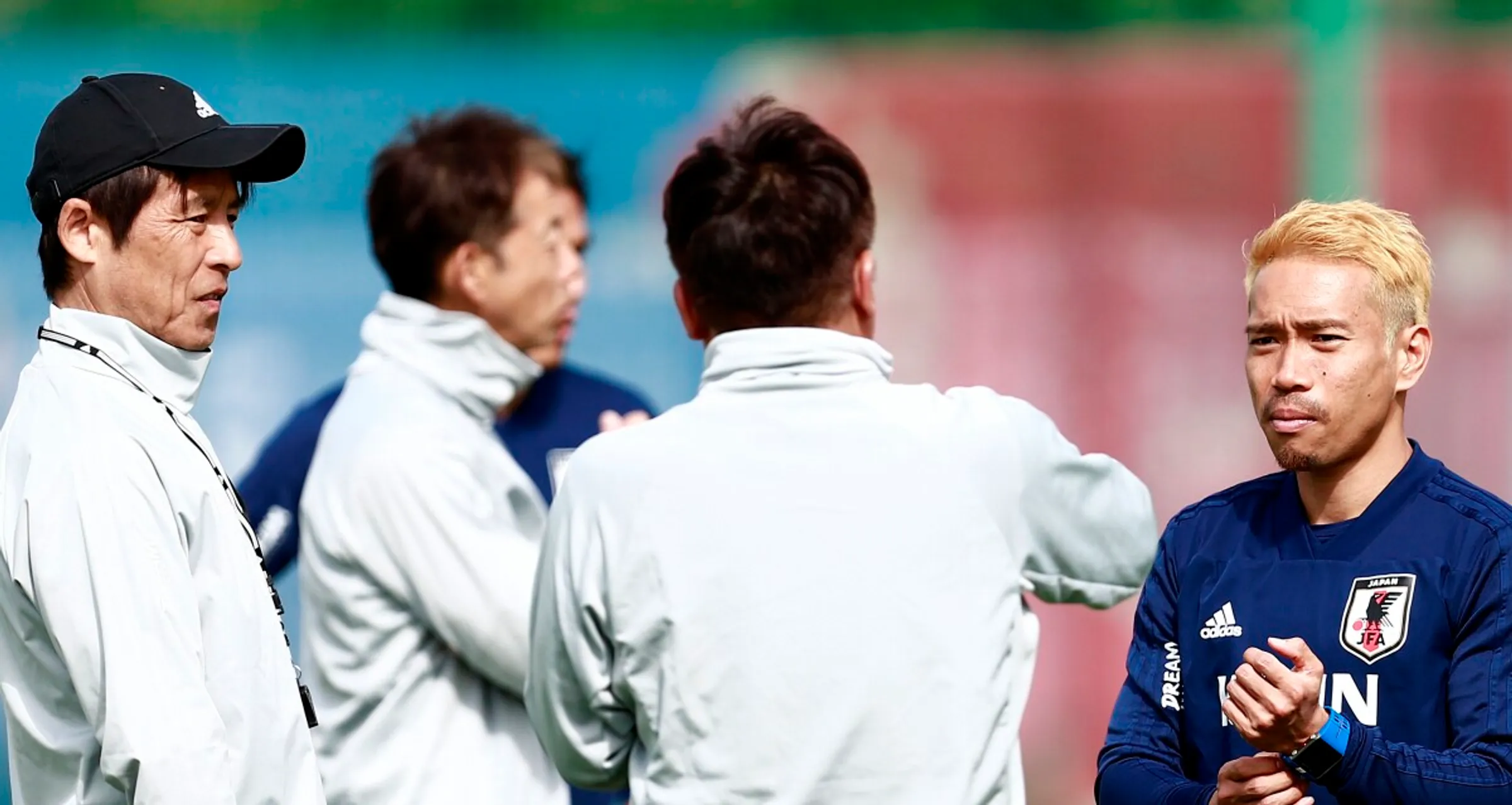
The Samurai Blue begin their Group H campaign against a Colombia side that defeated the Japanese 4-1 in their final game of the 2014 FIFA World Cup before taking on Senegal and Poland, and Troussier believes the schedule adds to Japan’s challenge in Russia.
“The fact they play Colombia first makes it difficult because Colombia don’t have to play well to win,” he said. “Japan have to play well to win, and Colombia have four or five players who can make the difference.
“And it’s the same for Senegal. They’re not a big team but one, two, three, four can do it and Japan will face a lot of problems because of that. If the first match was against Poland, it’s different.
“You have to understand the calendar of the matches. The group is open and each team thinks they can qualify, including Japan and Senegal. The scenario of the first game against Colombia is difficult.”
