
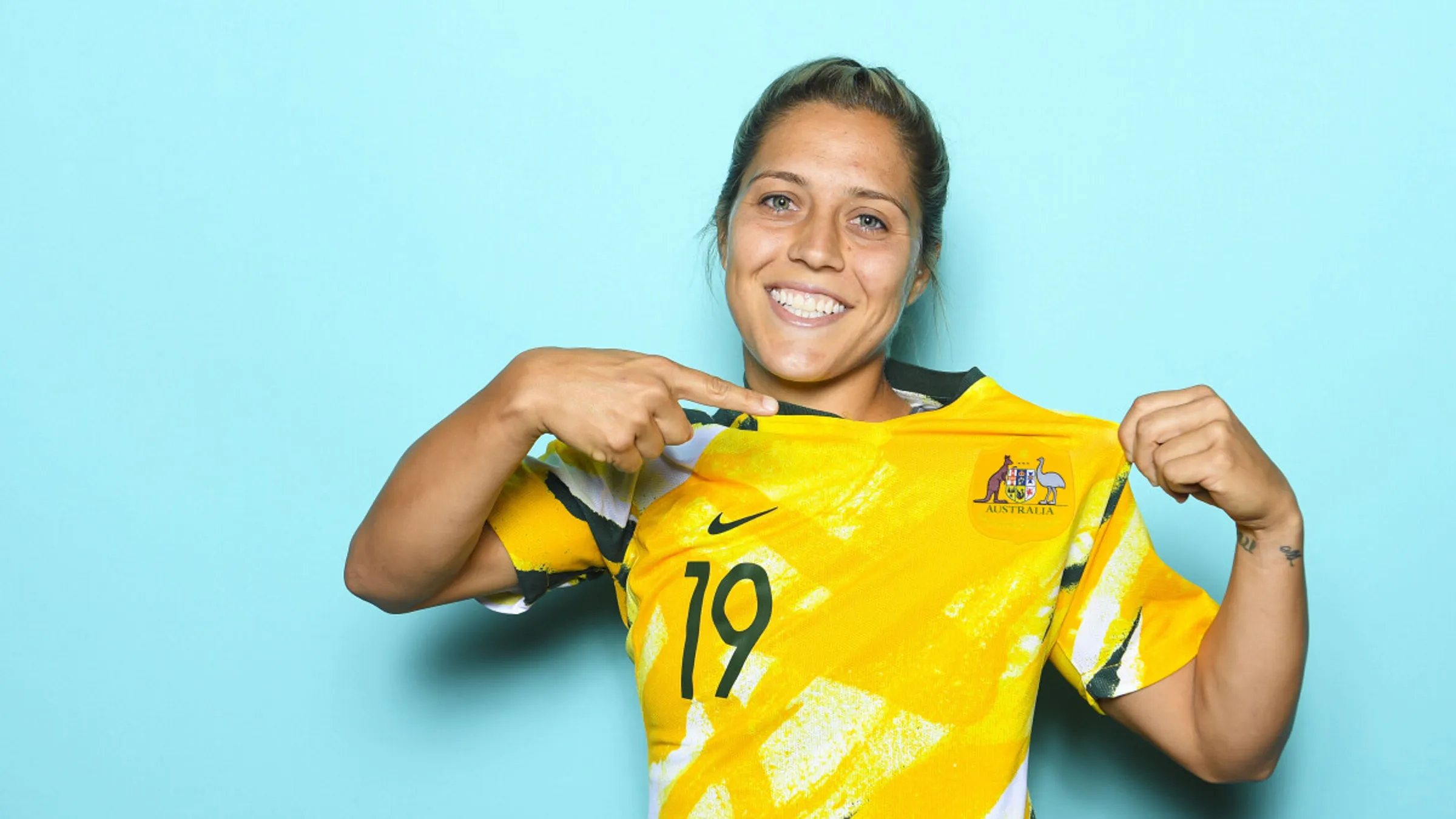
Voted AFC Women’s Player of the Year just over a year earlier, the player affectionately known as ‘Mini’ was at the peak of her powers on the road to Rio 2016, scoring crucial goals against Japan and DPR Korea as the Matildas went unbeaten through qualifying to end a 12-year participation drought.
Their bid for a first Olympic football medal ended in the quarter-finals, where Gorry’s potentially match-winning spot-kick was saved by Brazilian goalkeeper Barbara in the penalty shootout, before the tournament hosts ultimately prevailed in front of 53,000 fans in Belo Horizonte.
Four years on, the Olympics remain a powerful motivator, and Gorry – despite undergoing ankle surgery and being removed from the list of centrally contracted national team players – remains part of a Matildas cohort hungry to translate their ever-increasing global competitiveness into major tournament success.
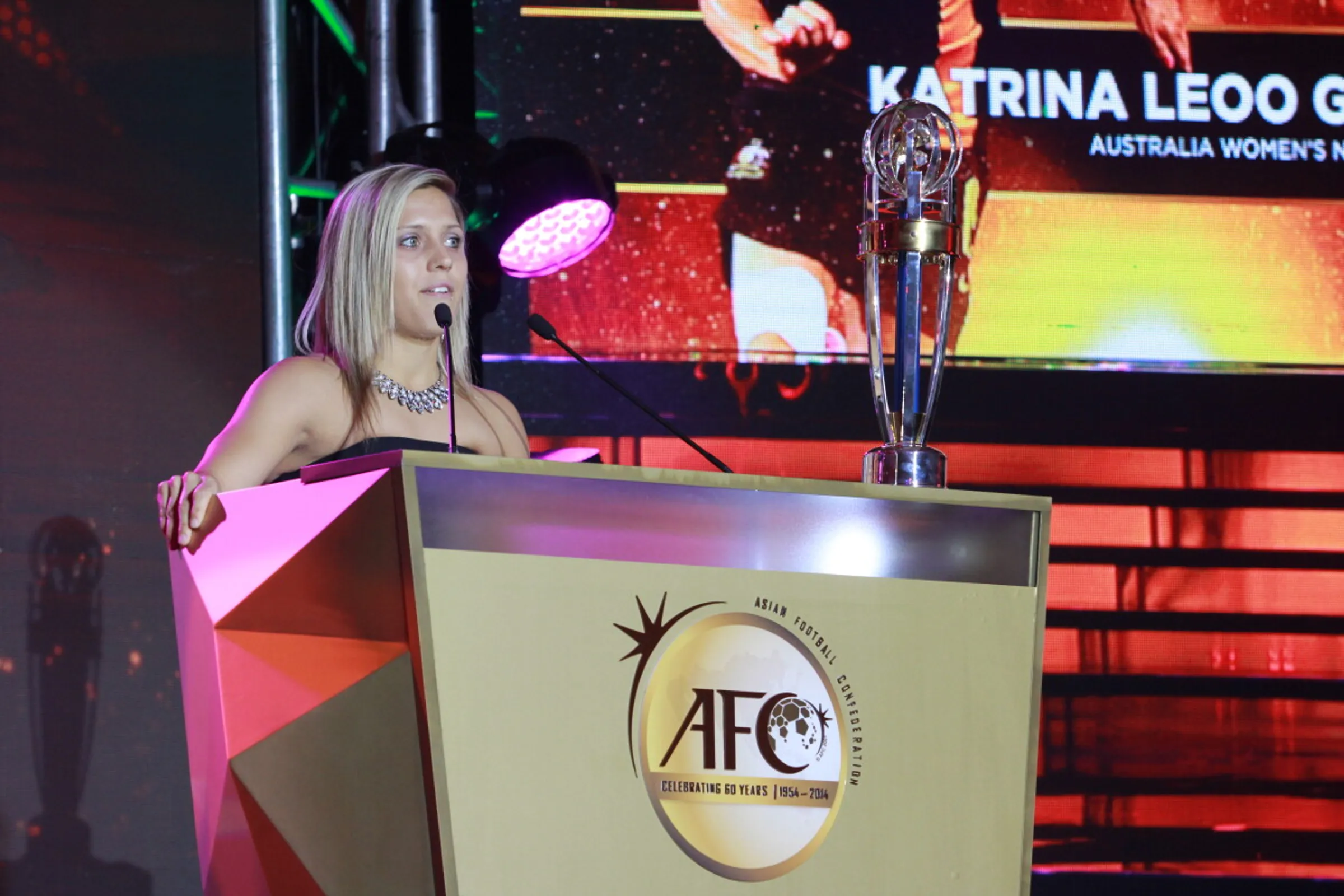
“The last two years has been a huge rollercoaster for me,” the 27-year-old midfielder told the-AFC.com.
“I kind of lost the love for the game. I didn’t really have a balance in the things that I needed to have a balance in. I went through some pretty hard times and was in a pretty dark place for a long period there.
“I feel like the last few months have brought me happiness on and off the field, and I think that has shown in my previous performances in the W-League and just how much I’m enjoying the game."
“I think every camp is an opportunity to prove your position (in the squad), and to prove why you want to be here and how much of a privilege it is to put the tracksuit on every time you come to camp.
“The carrot is definitely bigger having an Olympics coming up, and I know this group will definitely qualify and do really well in the Olympics, and I’d definitely love to be a part of that.”
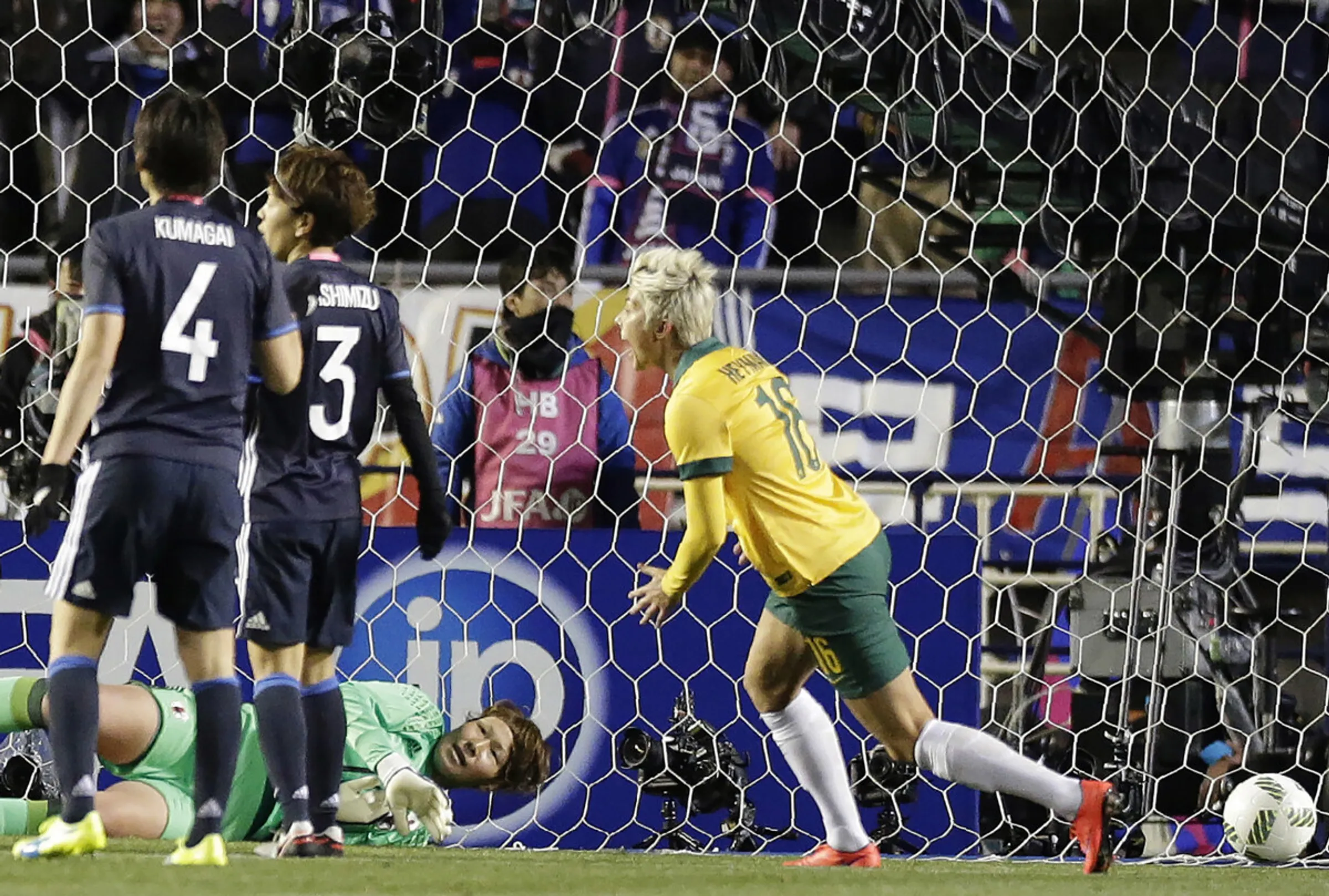
For many of the current Matildas, the 2016 qualifiers were a landmark moment in their rise on the international stage.
Wins over of Korea Republic, DPR Korea, Vietnam and, most impressively, tournament hosts Japan – who had reached a FIFA Women’s World Cup final just seven months prior - instilled a belief within the Australian camp that they could be medal contenders in Rio.
“I think any tournament brings a bit of spark and motivation, but definitely that Olympic qualifier (in 2016) is one of our favourite ones to date,” Gorry revealed.
“You know, all of us players still talk about those days and the games we played and just the feeling we had in the team. Every game, no matter what. I’ve had that same feeling while we’ve been in camp this time, so I know it’s going to be an exciting tournament for us and we’re pretty lucky to be in Sydney in front our home fans as well.
“For nearly all of us, (2016) was the first time we had been in an Olympic Games. There is something different about the feel of that. You’re a part of Australia. Everyone is competing, everyone is watching, no matter what sport you’re playing.
“It was definitely very special to be part of something like that and to go as far as we did, and I think that we could have probably gone further.”
It won’t just be the stage of the competition providing Gorry with a sense of déjà vu when Australia meet Chinese Taipei in their opening match at Campbelltown Stadium on Friday.
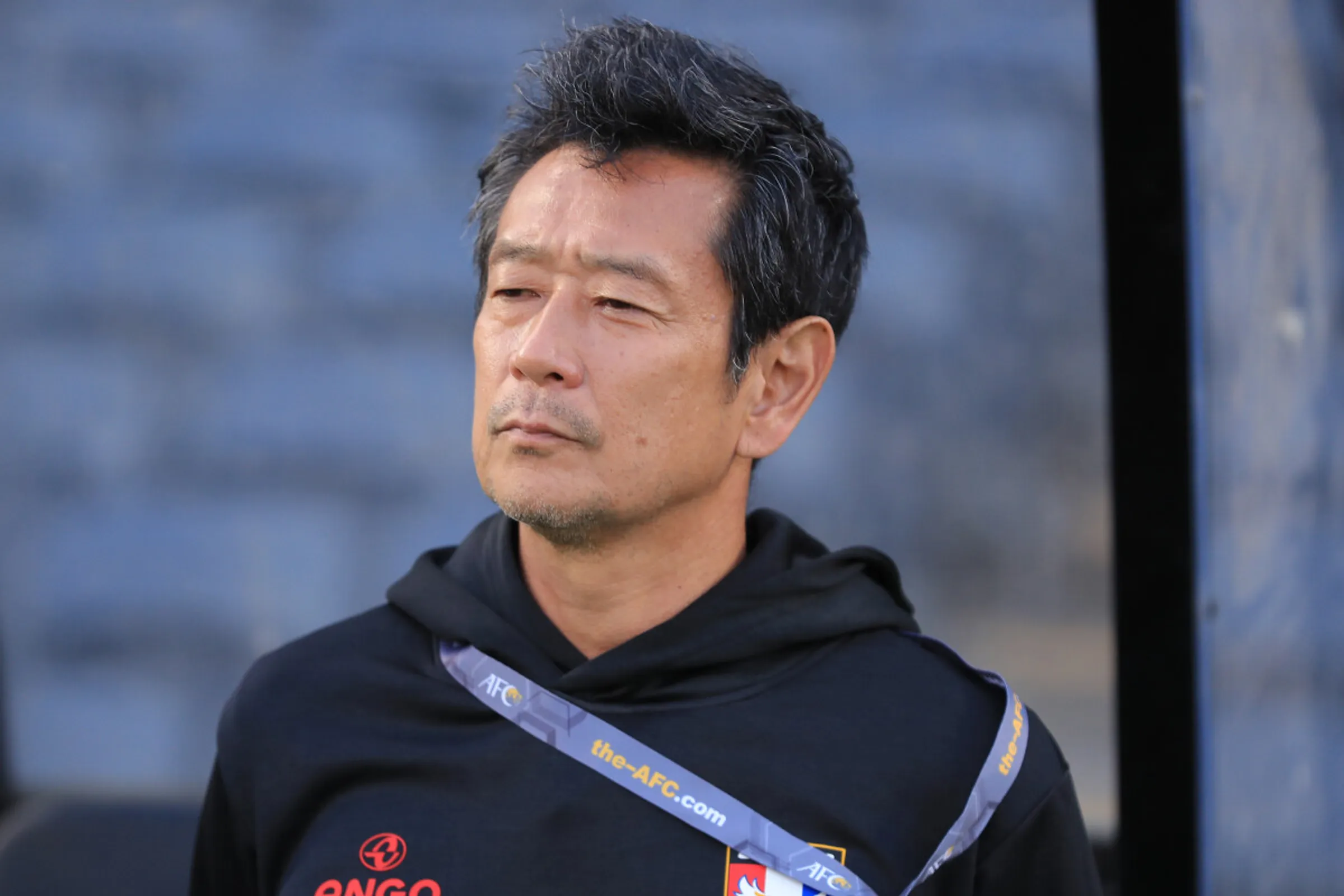
The East Asian side are coached by Japanese tactician Kazuo Echigo (pictured above), who was in charge of both Gorry and Australian teammate Caitlin Foord at Nadeshiko League outfit Vegalta Sendai during the 2017 season.
In contrast to the counterattacking approach utilised by Echigo’s side in their 1-0 win over Thailand in Monday, Gorry recalls a classically Japanese footballing methodology being handed down during her time in Miyagi Prefecture.
“Obviously the language barrier for us in Japan was pretty hard, but like any Japanese coach, we were a possession style team,” she remembered.
“That’s what he drilled into us a lot. (The players) were all very technically well trained and a lot of our training sessions were small-sided games, possession based.
“I assume that’s probably what he’s implementing with them and I’m sure in the coming days we’ll see that.”
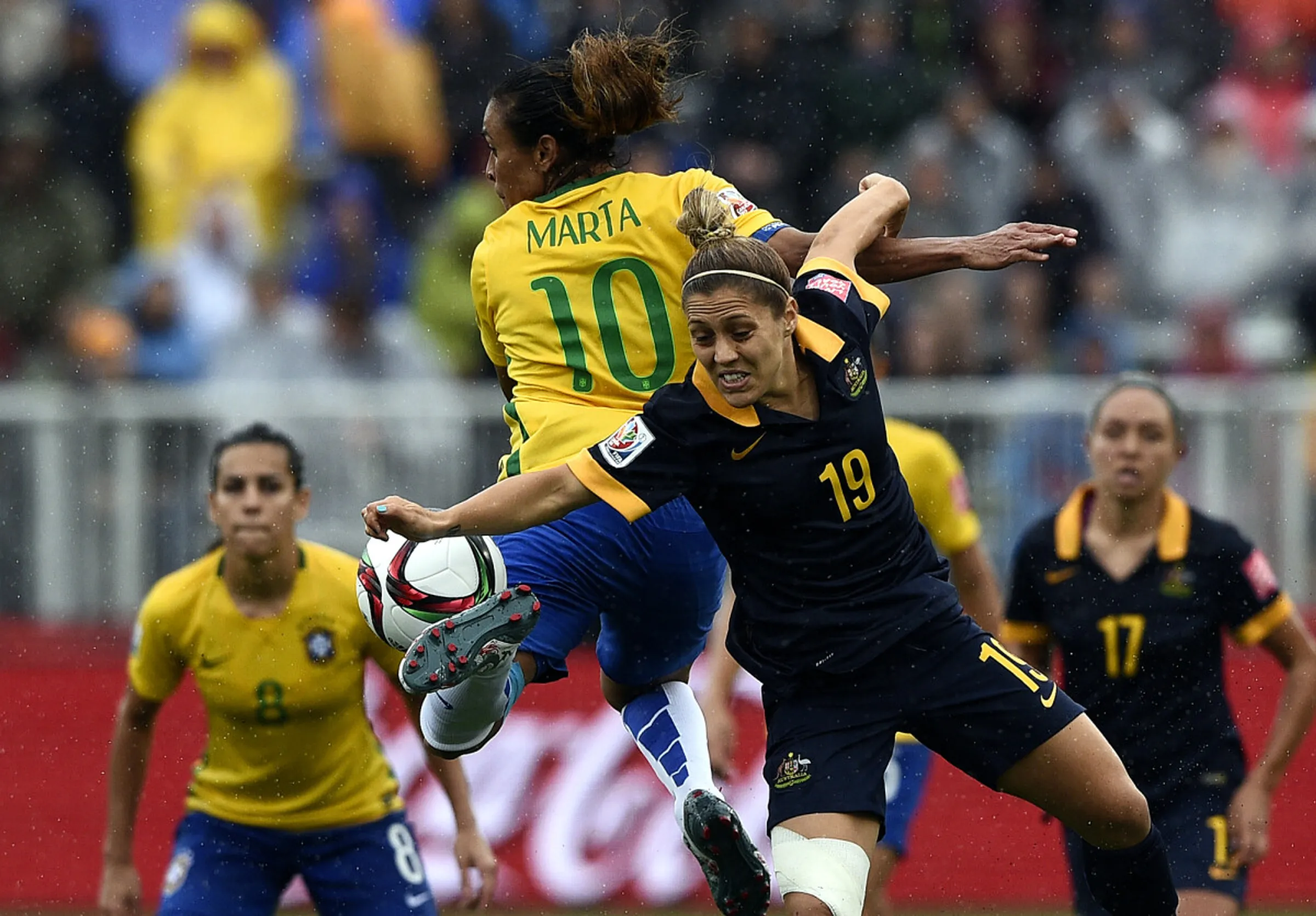
With spells under her belt in Japan, Canada the US, and soon to move, alongside fellow Matilda Clare Polkinghorne, to Norwegian outfit Avaldsnes IL, Gorry has benefitted from a rich tapestry of footballing experiences, with lessons learned in every new setting.
“All the experiences are very different,” she said.
“In Japan it was so technical based. Everything was possession and getting your technique right. Repetitive stuff. Over and over again. After the session most of the girls would stay for two hours extra working on different things, so it was a very technical environment."
“The games I would say, were a bit slower. (The players were) not very powerful and athletic. I think that’s where (Foord and I) kind of struggled coming back into the national team. We are more athletic and a bit more powerful and can play the long balls and people can get there.
“I think that would probably be the difference, from what I experienced, but their culture over there is beautiful, and I’m really lucky that I got to experience that. I’d definitely go over there and play again.”
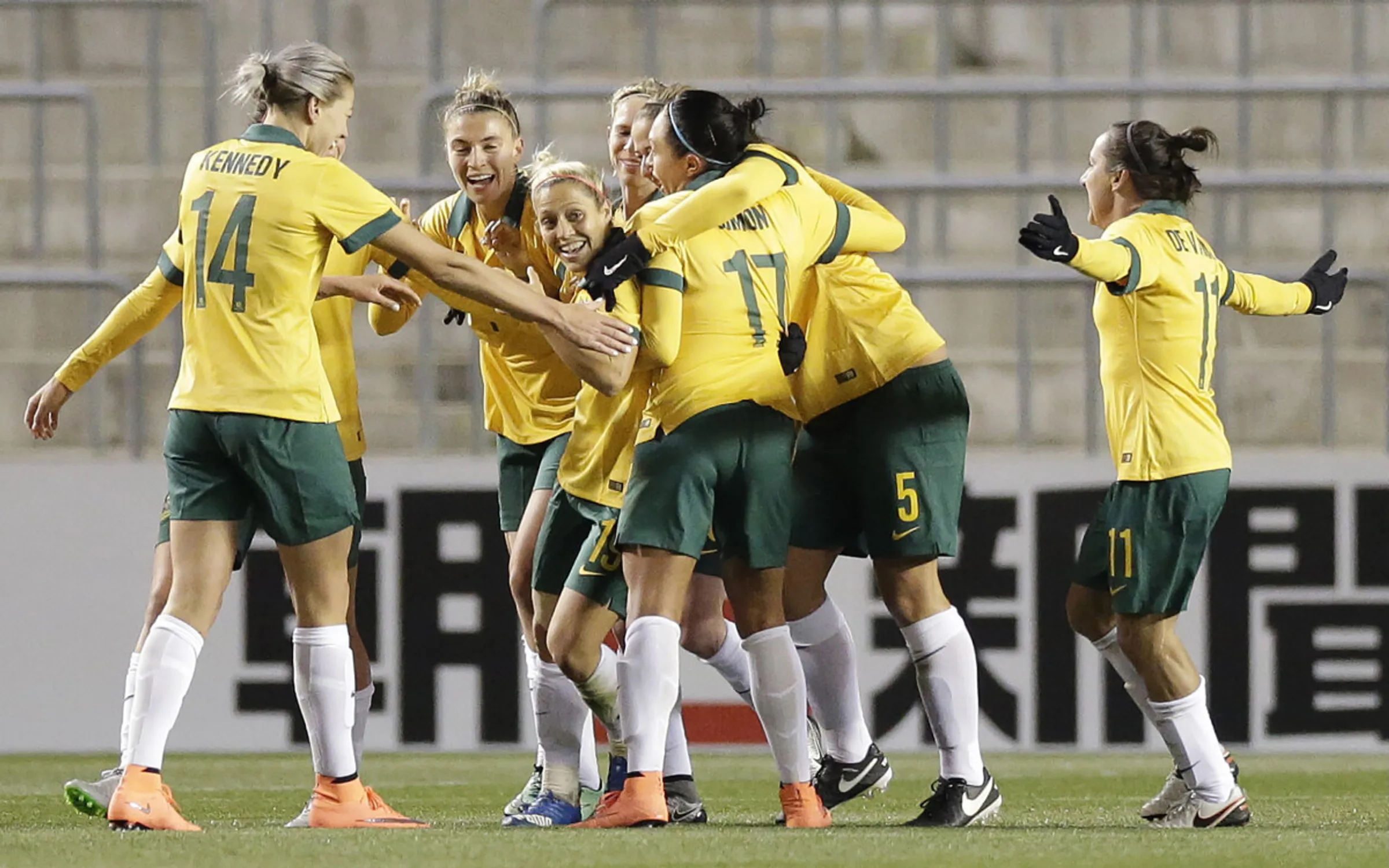
But while club football has afforded Gorry the opportunity to live all over the world, it’s the national team which has brought career-defining moments and the chance live out childhood dreams, with the Olympics falling firmly into both categories.
Gorry had just turned eight years old when Sydney hosted the Olympic Games in 2000, and, like millions of other girls around the country, was inspired to become an athlete after watching 400 metres champion Cathy Freeman win gold on home soil.
It was the defining event of those Games, and one which Gorry recalls fondly two decades later.
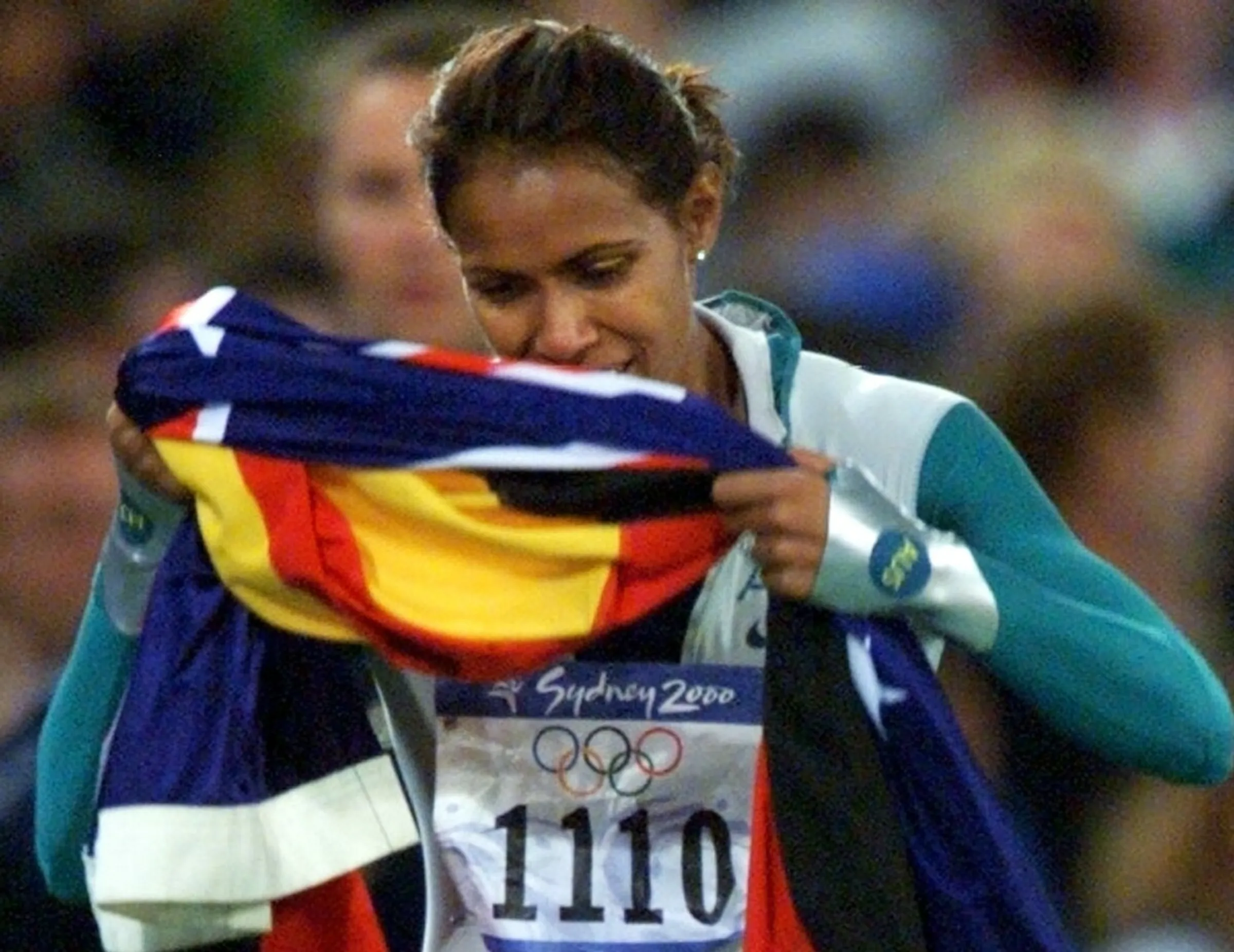
“For a lot of us, it was Cathy Freeman (that inspired us),” she said.
“We are all kind of from that era, and to see Australia kind of stand still for that was something pretty special. Even as a young kid (at the time), you kind of still remember.
“Also, for me, my mum was an incredible athlete as well, so she kind of drove that into us, and sport brought a lot of happiness to our family as well. My mum and my dad were big parts of us pursuing a sporting career of some type and they were very supportive in everything that we did.”
Australia must finish among the top two teams in Group B, which also features Thailand and China PR to advance to next month’s final qualifying play-off, with a final two Asian sides to join hosts Japan at the Tokyo 2020 Olympics.
Photos: FIFA via Getty Images, AFP
Related News
- Olympic Games
Thailand’s Taneekarn prepared for familiar foes China PR
- Olympic Games
Nguyen eager to begin qualifying campaign with a flourish
- Olympic Games
Kerr eager to play her part on road to Tokyo
- Olympic Games
Sornpao: Thailand haven’t given up on Olympic dream
- Olympic Games
We must improve against Vietnam, says Ji
