
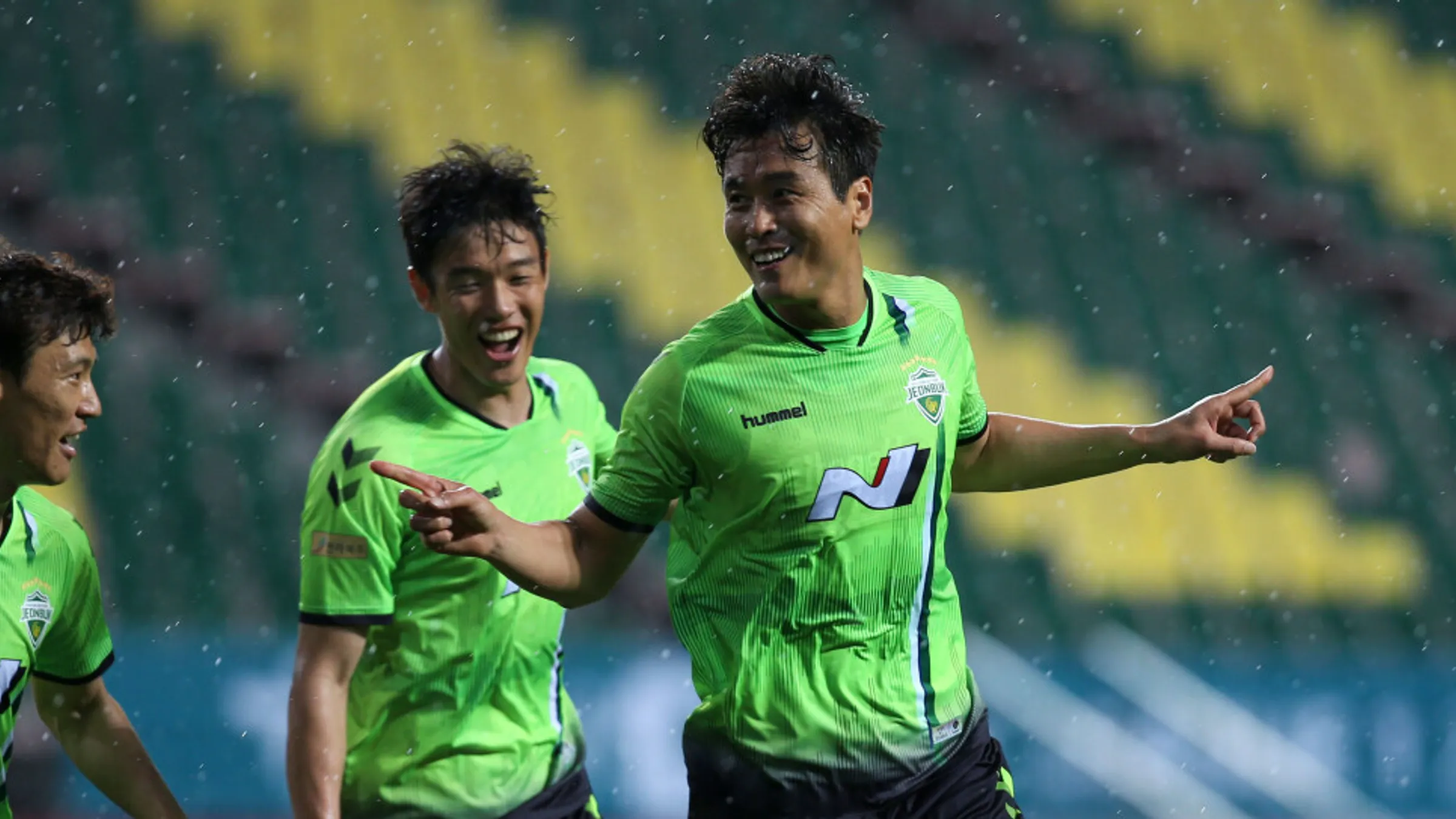
Normal rules don’t seem to apply to Lee. At an age when most footballers are already enjoying the fruits of their well-earned retirement, the forward is still showing few signs of slowing down.
Lee burst onto the scene as a 19-year-old in 1998 for Pohang Steelers, a young talent who seemed to have the world at his feet having helped the side win the 1997-1998 Asian Club Championship and been called up to the senior national team the very same year.
Fast forward to the present day and the veteran striker is still turning out, and scoring, for Jeonbuk Hyundai Motors.
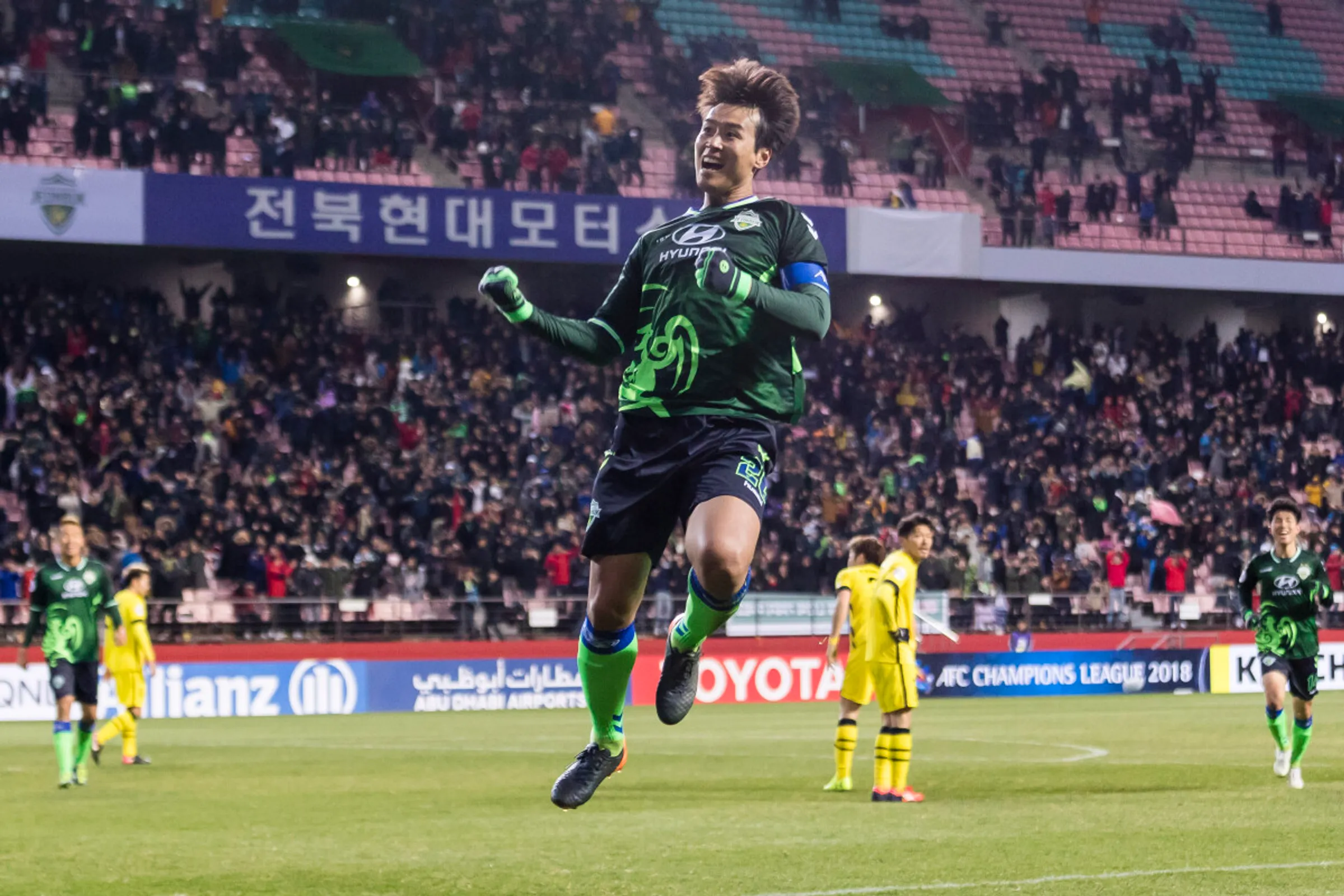
Despite being the oldest player on Jeonbuk’s books, Lee has shown he can still teach his younger teammates a trick or two, rising highest in the 2020 K League season opener to head home the winner against Suwon Samsung Bluewings on May 8.
“It is an honour for me to step onto the pitch at Jeonju World Cup Stadium,” he says. “I am just happy to give our fans joyful moments to remember."
That quiet determination to do well for his club is one of the reasons why Lee is such a big hit with the club’s supporters, but it wasn’t always that way for a player whose injuries and off-field troubles always seemed to get in the way of football.
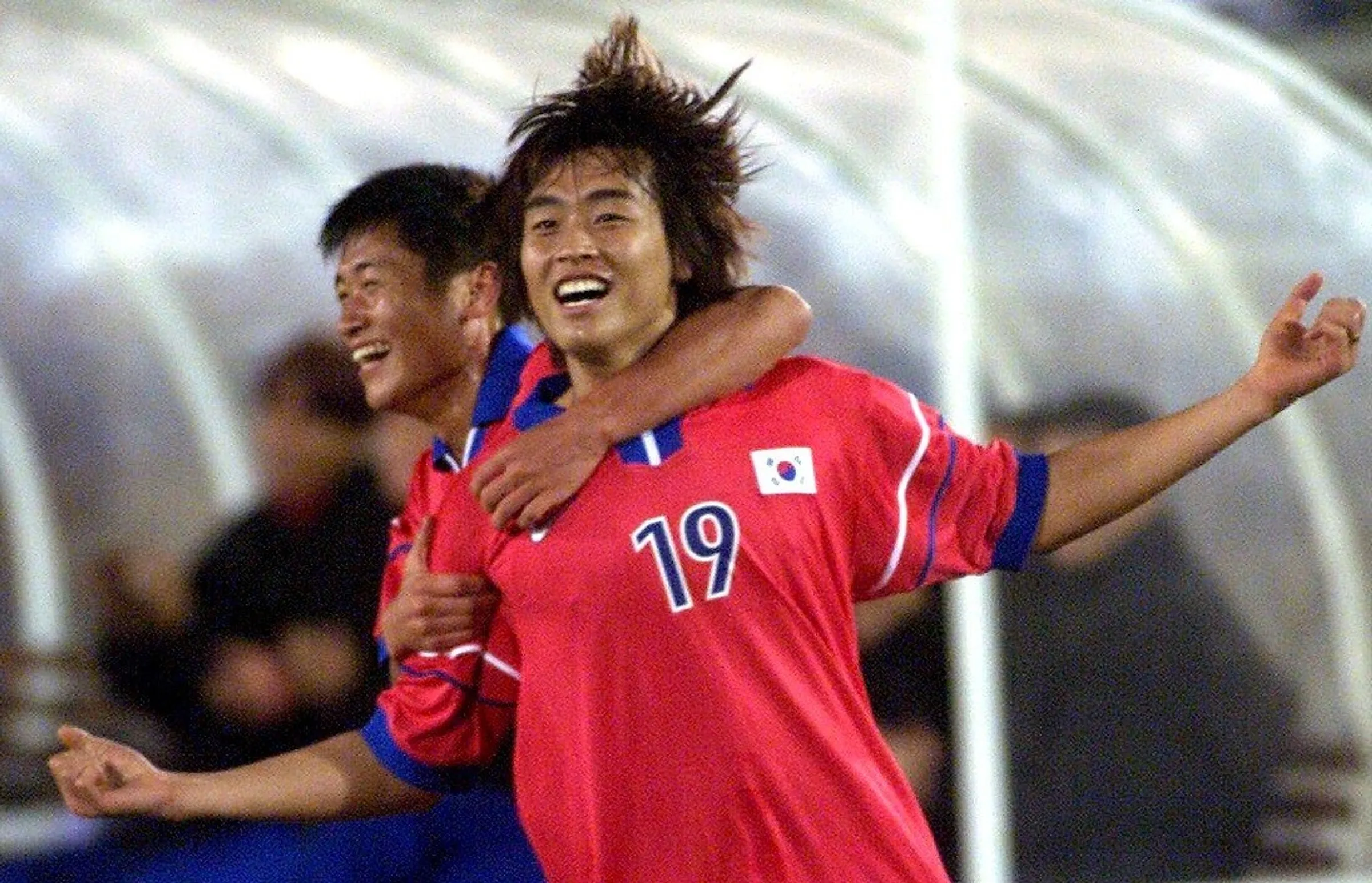
Success seemed to come easily for a young Lee in 1998, along with the Asian Club Championship final win over Dalian Wanda, he shone at the AFC U-19 Championship earning the Top Scorer and MVP awards as Korea Republic claimed their ninth title.
The uncapped striker was then called up to the senior national team by the legendary Cha Bum-kun as the second youngest player on the plane to the 1998 World Cup in France (midfielder Ko Jong-soo was also 19 but already had 22 caps).
“At that time, there was no place to get any information about other football cultures since we did not have the internet,” Lee recalls. “It was my first time at the World Cup and we did not have any information about other national teams."
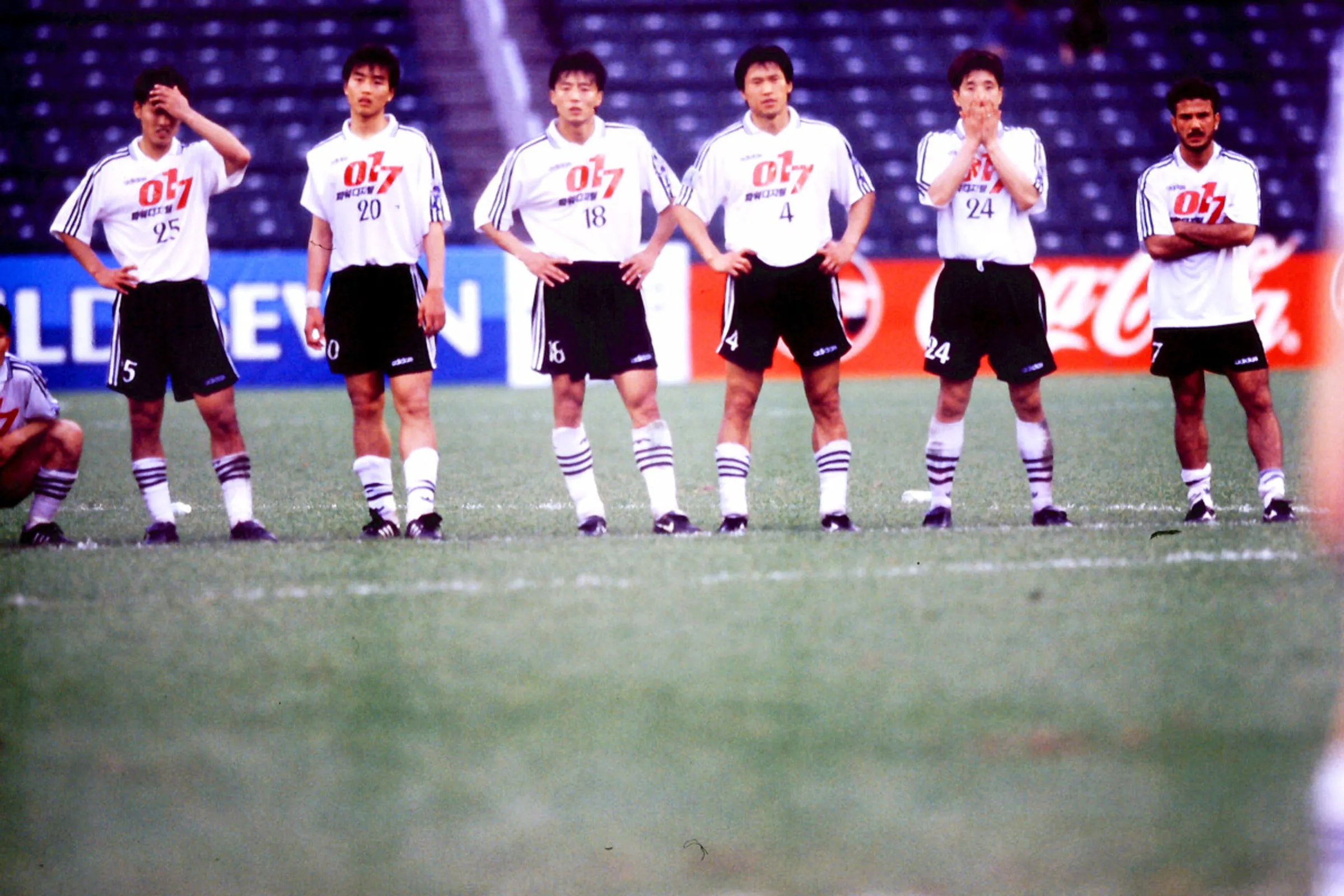
“These things made us embarrassed at first but I could not forget the ardent fans who greeted us at games. When we arrived at France 1998, I asked for advice from my teammates on how to play in atmospheres like that.”
Korea Republic would lose their first two games, with Lee making his debut off the bench in a 5-0 defeat to the Netherlands that resulted in Cha getting replaced by Kim Pyung-seok shortly after.
The youngster’s star would continue to rise though, as he top scored for the Taeguk Warriors at the 2000 AFC Asian Cup before earning an injury-hit loan spell at German side Werder Bremen.
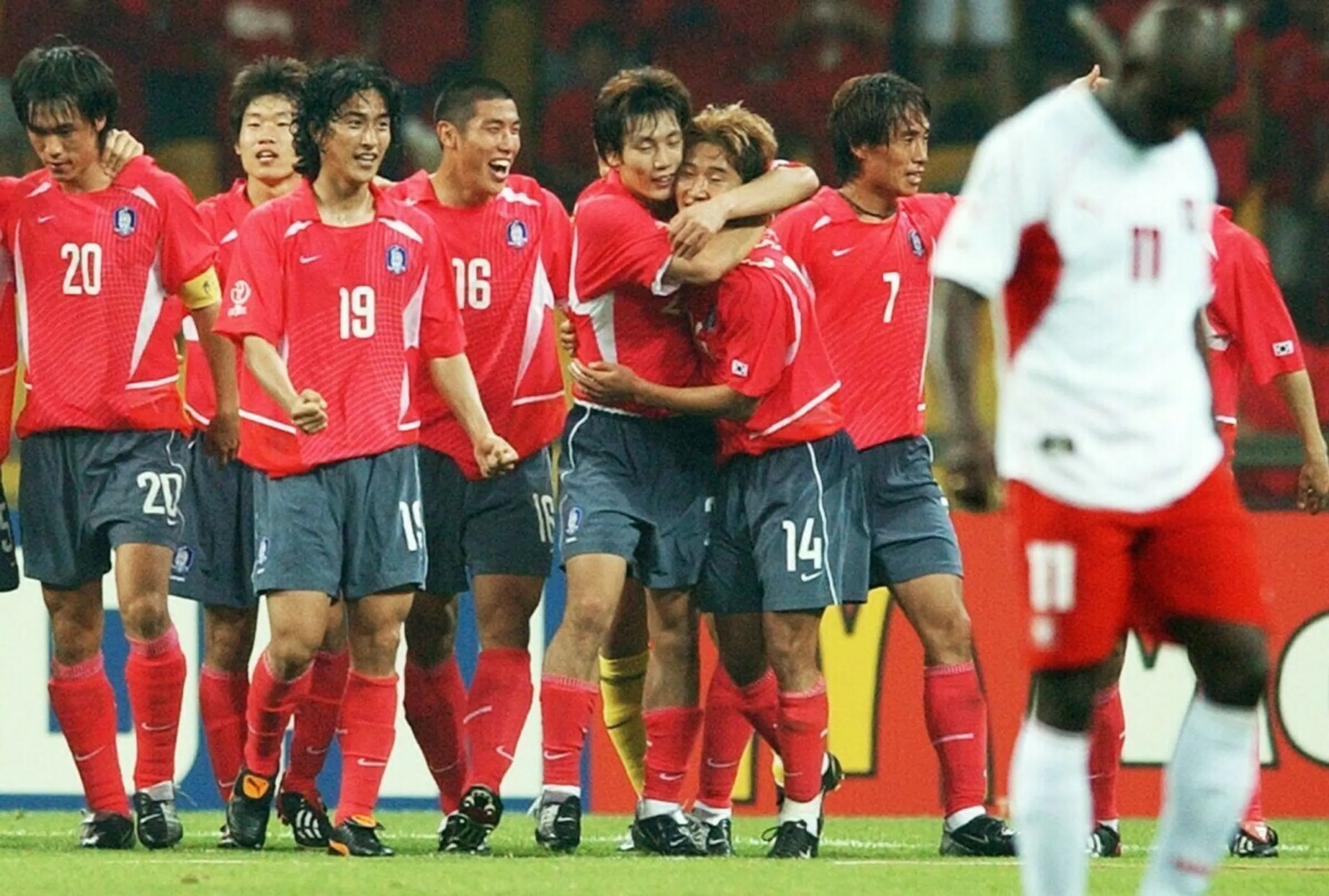
The World Cup came around again in 2002, as Korea Republic co-hosted a memorable tournament alongside Japan but Lee would not play a part after being overlooked by head coach Guus Hiddink.
“Many Korean fans thought that I should have been in the squad in 2002 and so did I,” Lee remembers with a wry smile.
“In hindsight, that was the one big reason why I shouldn’t have been called up. I tried hard but I was so arrogant and I failed to get into the squad. I talked a lot to the Korean media and wandered from place to place. I was shocked by the decision and started to hate football."
“I was in Korea but I did not watch a single World Cup game. Instead, I drank a lot of alcohol in an attempt to numb the pain and remove those memories. Then I got called up to national service and Lee Dong-gook’s second life began.
“I got mentally strong and humbler and to this day, I think I would not be where I am if I had made the World Cup squad in 2002. Before that, I leaned on my natural talent and ability but then I realised how much hard work it took to make it at a professional level and started to redouble my efforts.”
Lee’s form gradually improved upon his return to Pohang after his military service but bad luck struck again before the 2006 World Cup in Germany. The striker had looked a shoo-in to Dick Advocaat’s team but a knee injury sustained during the K League season ruled him out once again.
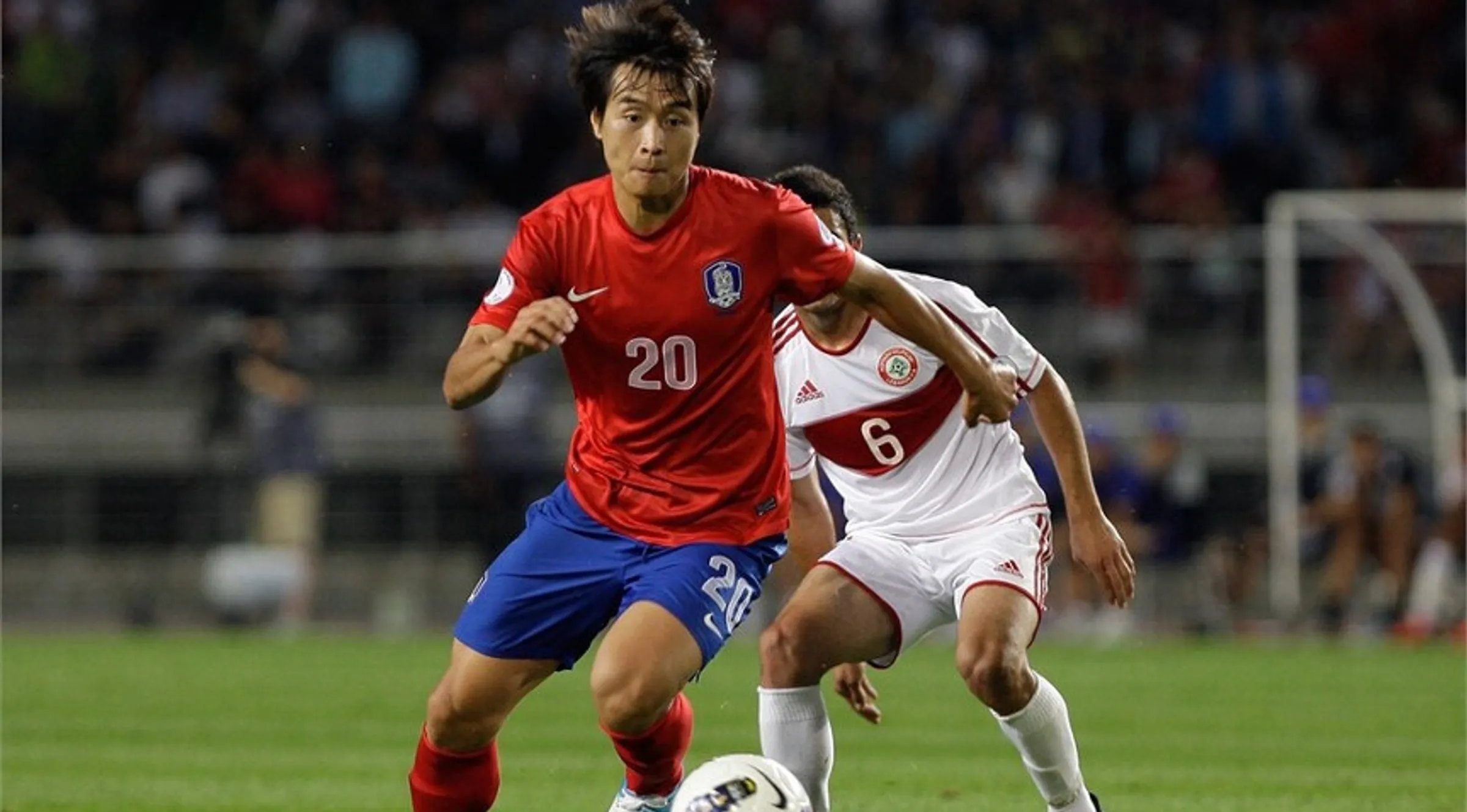
“Before the World Cup in 2006, I had a great season,” Lee says. “But in April, I had to undergo knee surgery and even though I came back in October, I would play just three games after that.
“I have always dreamt of scoring in a World Cup game and actually I still do. I felt really bad when I got injured before the World Cup in 2006 because I had worked hard and never felt better. You know how it is when a striker feels like he can score against any team? I failed because of injury but I was proud of my preparation.”
Lee’s performances at club and international level had piqued overseas interest once again and he signed terms with English Premier League club Middlesbrough in January 2007.
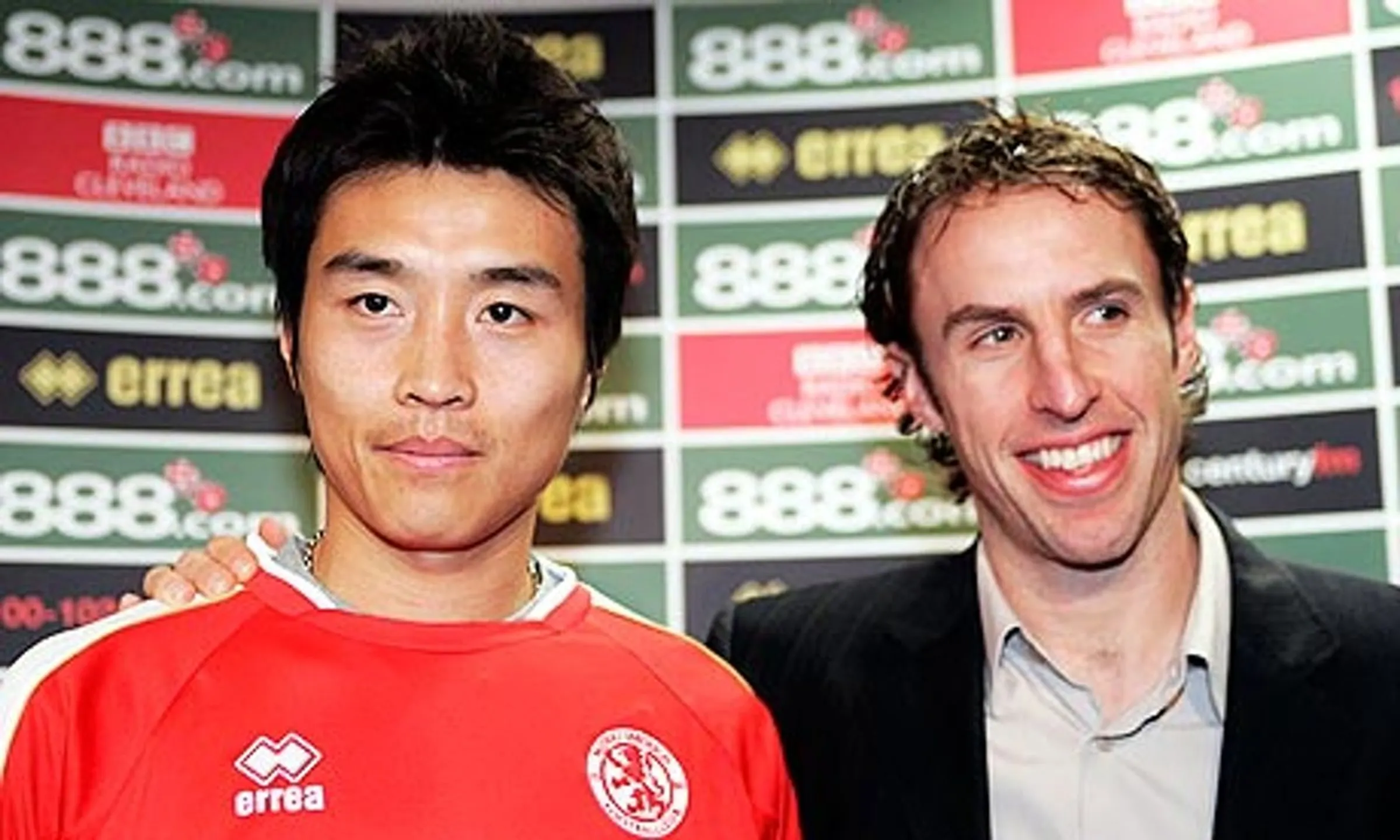
“The Premier League is a hard league to play in and I was not in the best condition.
“But I did learn a lot at Middlesbrough. For example, I learnt about tactics, about a player’s discipline and how to communicate with fans. These were vital lessons."
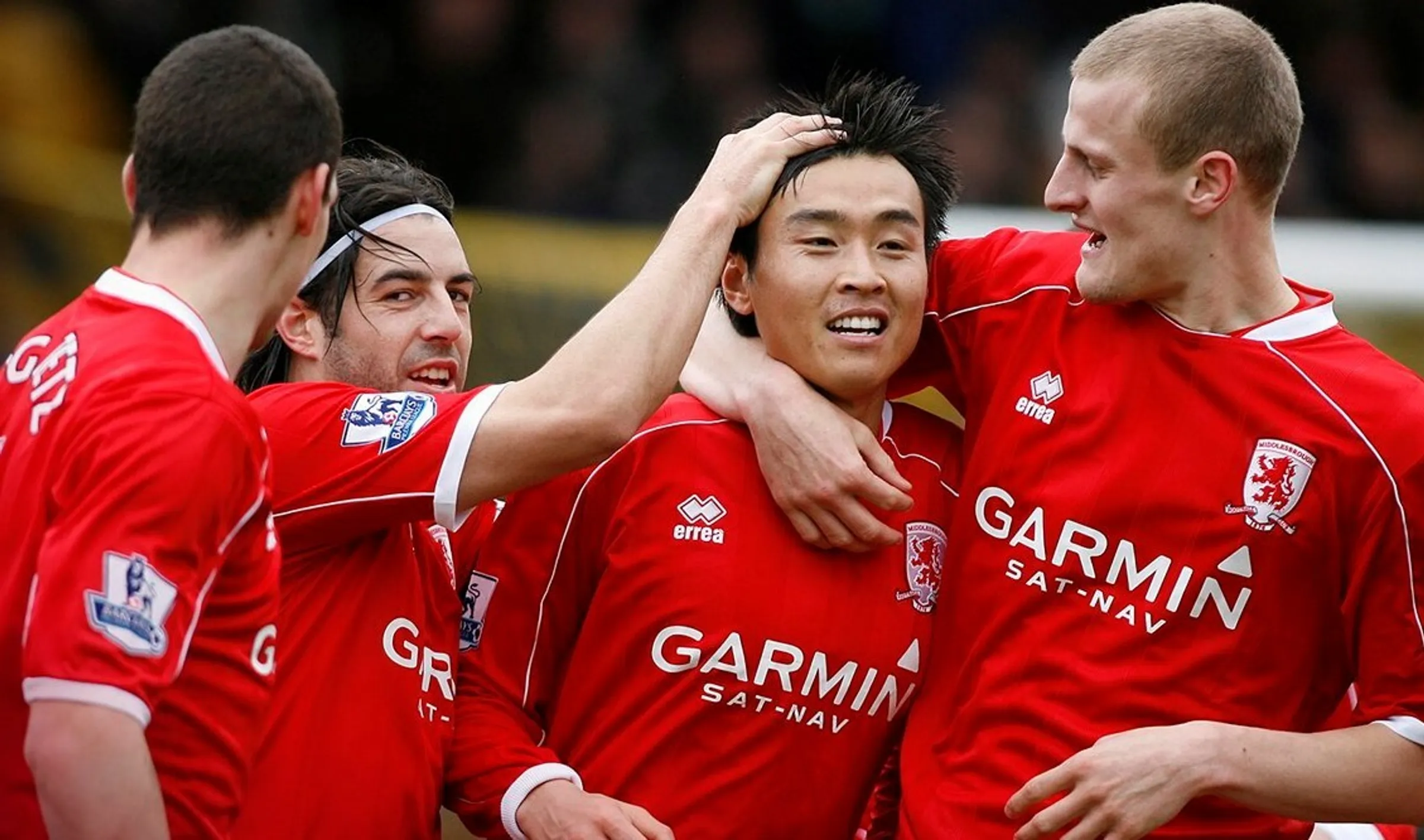
Lee’s Boro contract expired and he returned to Korea Republic for a spell with Seongnam Ilhwa Chunma in 2008 before transferring to current club Jeonbuk in 2009.
A brace on his debut for his new club was just a taste of what would bloom into a trophy-laden spell with the now dominant side in Korea Republic.
“After I came back from the Premier League, manager Choi [Kang-hee] gave me a chance to get my career back on track,” Lee says. “I believed in manager Choi and Jeonbuk Hyundai and I think I chose well.”
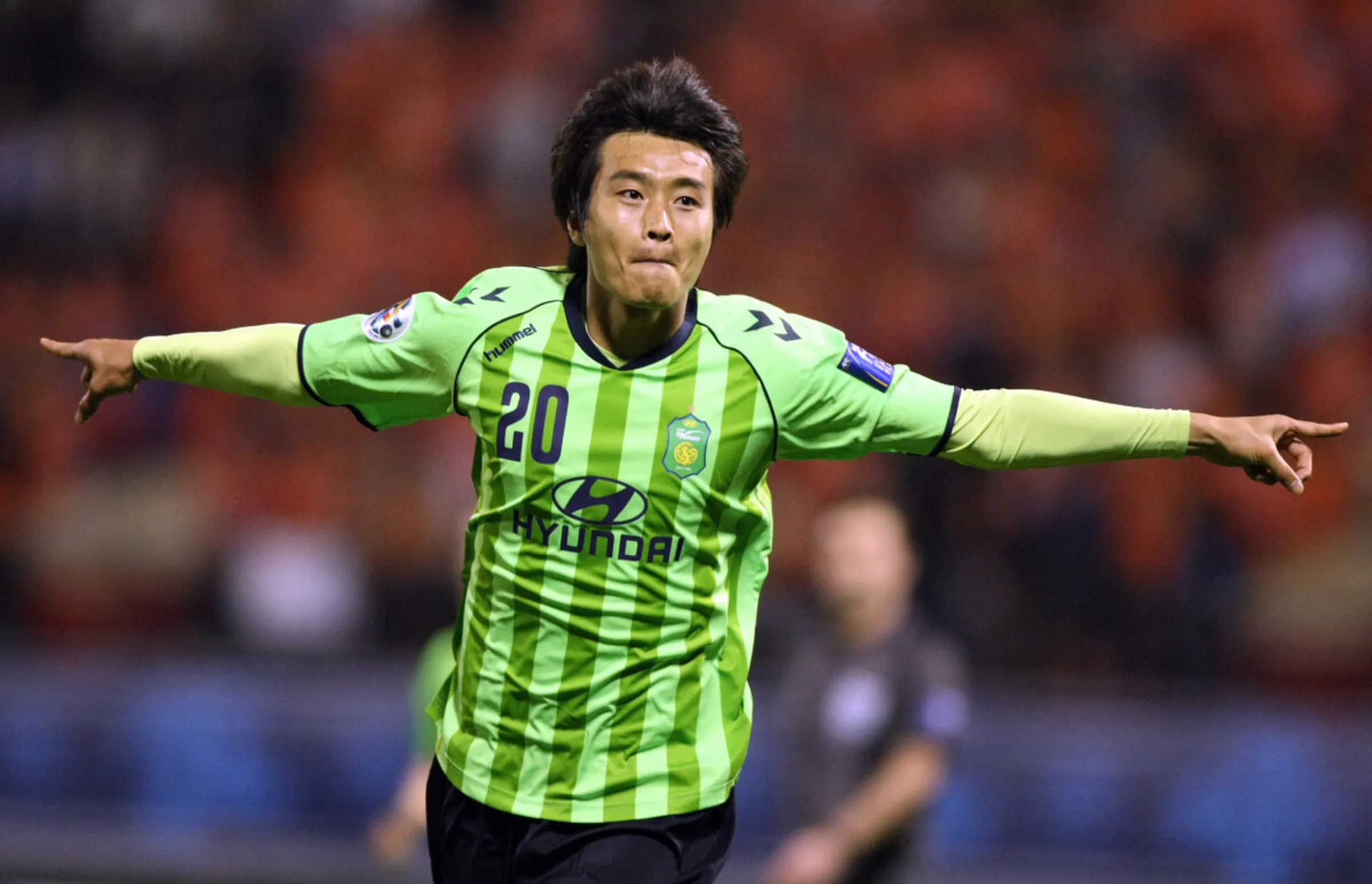
It was a move that paid dividends for both club and player as Jeonbuk lifted the K League title that very year. Despite winning the AFC Champions League in 2006, the team had never won a domestic league title so this was their very first championship. They would go on to repeat the feat many more times.
“I am so proud of this team,” Lee beams. “When I first got here, Jeonbuk weren’t a famous team and we didn’t have many fans to cheer us on. We were a losing team that were not even dreaming of the title but we turned it all around and became a winning team.
“In 2009, we became K League champions. We have now won the title many times but I always think about that first win. That was such an exciting and amazing time for all of us and I am happy to be a part of that history.”
After 105 caps and 33 goals for Korea Republic, Lee's 19-year international career came to an end in 2017 following a brief swansong in the 2018 World Cup qualifiers. But the 41-year-old is showing no signs of slowing down for his club, despite being in the twilight of his football career.
“I don’t think about retirement,” he says. “That’s the reason I play well these days. If I keep thinking about it, I would probably get both lazy and nervous about the future. I’ll worry about that after I retire but for now I only think about my role at Jeonbuk.”
Becoming a father of five kids has also given Lee a new outlook in life and won him even more fans outside football after appearing in the hit Korean reality-variety show “The Return of Superman”, where celebrity fathers tend to their children alone while their wives take a well-deserved break.
“Before I got married, I played football for myself,” Lee says. “But then I got married and had my babies and now I feel a responsibility to them. I want to show them that their father is the best in Korea.
“Despite appearing on the show, I am not special. I’m just taking care of my children. Some of my fans didn’t really like it because they thought it would affect my football but I’m just sharing my time spent with my babies. So I think it’s not an issue especially since I’m coping well.
“Besides, many viewers of the show have started to recognise the K League too, so that is a good thing!”
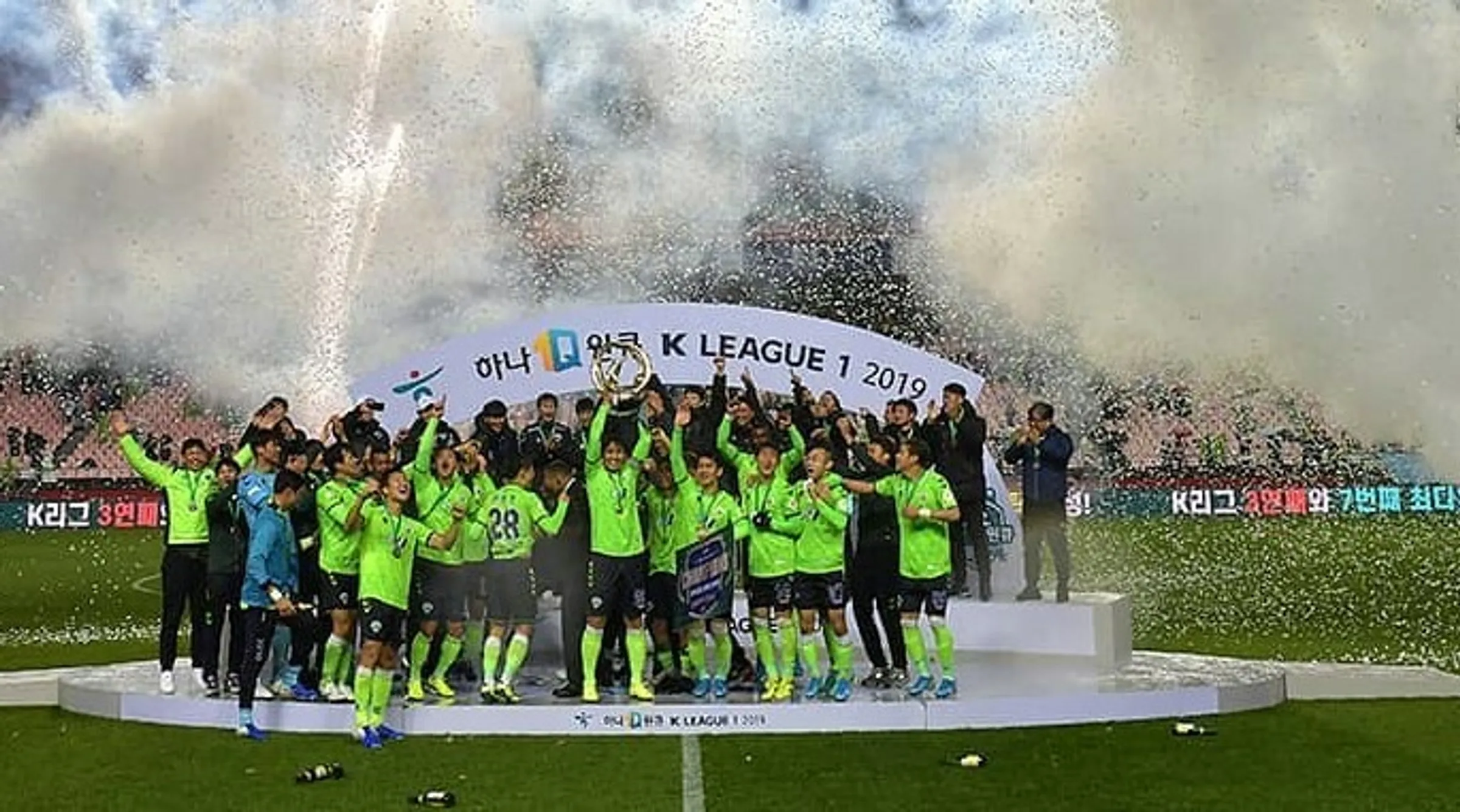
After claiming the K League title on the final day of the 2019 season to become the first Korean side to win three in a row, Jeonbuk are aiming to continue their dominance in 2020, but Lee is taking it all in stride and with his priorities straight. Whether they win or not, the veteran is just happy to enjoy it while he can.
“When I as young, I woke up early and did weight training and running every day,” he adds. “But now instead of doing that, I just focus on the next game.
“I used to think that football was all I had in my life and maybe there’s a still a little bit of that till this day but I have my family now and they are my everything.”
This article was adapted from the interview originally published in AFC Quarterly Issue 16, October 2016
Photos: Middlesborough FC, K League
