


Defending champions Japan, taken to a penalty shootout by tournament debutants Jordan, were staring elimination squarely in the face. Shunsuke Nakamura and Alessandro Santos had missed Japan’s first two spot-kicks and elimination looked a distinct possibility.
Up stepped Miyamoto, Japan’s captain for the tournament, approaching Malaysian referee Subkhiddin Mohd Salleh respectfully but assertively requesting he inspect the turf around the penalty spot in the Chongqing Olympic Sports Centre. Both Nakamura and Alex’s standing foot – both of whom were left-footed players – had given way on the surface causing both to miss.
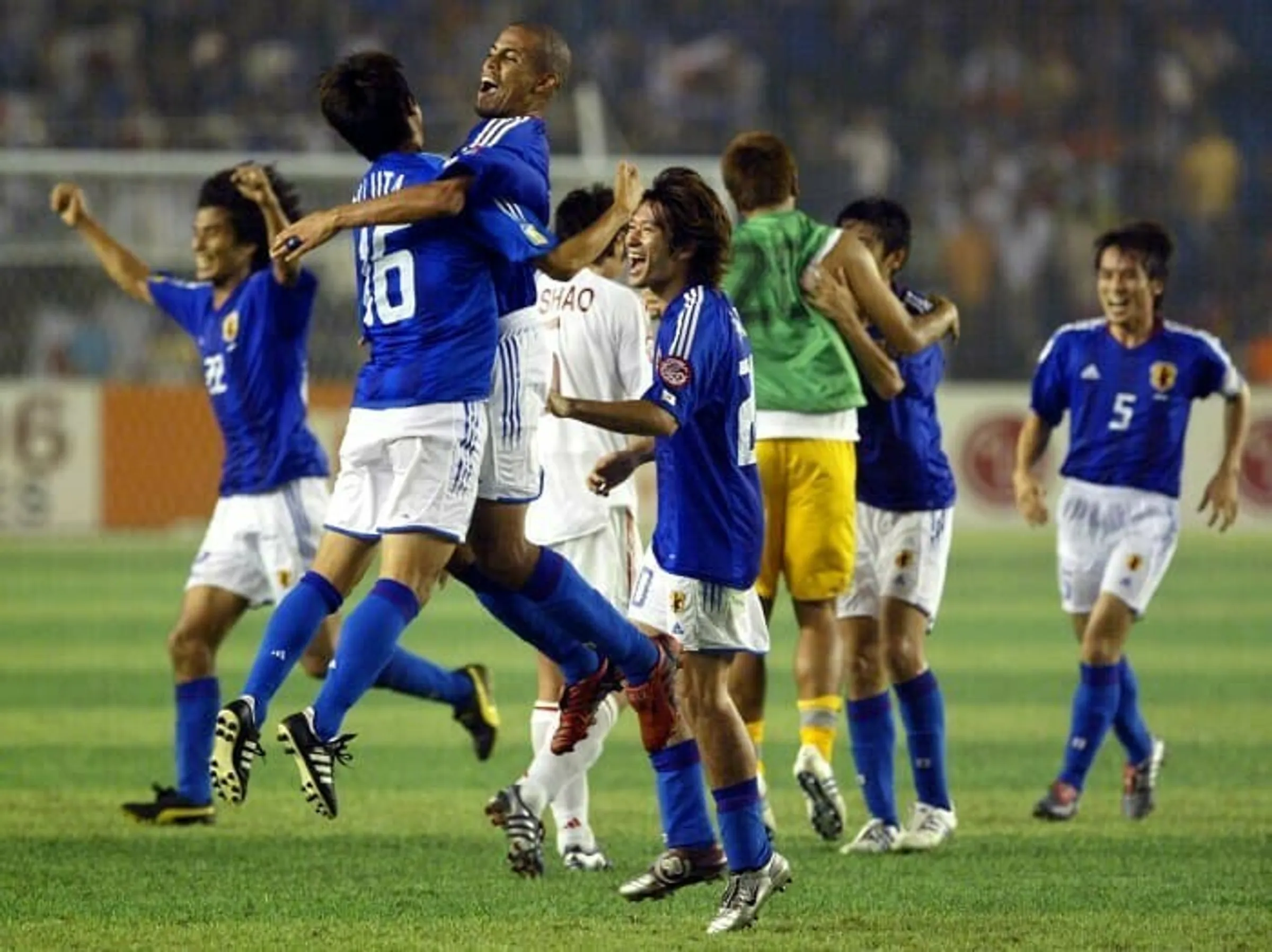
Subkhiddin looked, pondered, and then approached the match commissioner before sanctioning a shift to the goal at the other end to complete the shootout. Jordan, unsettled by the change, lost their momentum, and their nerve, and Japan went on to win, fittingly enough with Miyamoto scoring his country’s last penalty after Yoshikatsu Kawaguchi had saved two of the four penalties eventually missed by the Middle Eastern side.
“I didn’t underestimate Jordan,” says Miyamoto years on from those incredible scenes that kept Japan’s quest for a second title alive and set up a semi-final with Bahrain. “When I saw their games, they were quite good. I saw a few good players in terms of technique and speed.
“I don’t like penalties and I was appointed as the seventh taker, so I was relaxed and didn’t expect that I would have to take a penalty. But something happened, Shunsuke shot over the bar, and I could easily imagine that Alex would have the same problem.
“I made a decision beforehand; I would go to the referee and ask him to change the side if Alex missed. It was a quick decision, but it was deserved.
“I didn’t expect the referee to change the side; I just wanted to win the game. In order to disturb the Jordan players, that was my tactic. It worked, because of Yoshikatsu.
“I scored, so I was happy, but that was the turning point. It was controversial, but it went well and everybody remembers, even now.
Miyamoto’s story is a significant one; he was a key member of the Gamba Osaka side that won the J.League title in 2005 before moving to Europe to win the Austrian title with Red Bull Salzburg, but it was at the FIFA World Cup on home soil in 2002 that he really came to prominence.
Drafted into the team by then-coach Philippe Troussier to replace the injured Ryuzo Moroka early in the first half of nation’s opening game against Belgium, Miyamoto – complete with his face-protecting mask which drew the attention of fans and photographers alike – became a star overnight.
By the time China 2004 arrived, Miyamoto had become captain under new coach Zico. Having advanced ahead of Islamic Republic of Iran, Oman and Thailand from the group stage, and defeating Jordan in the quarter-finals following that penalty shootout, Bahrain were up next, another tough challenge.
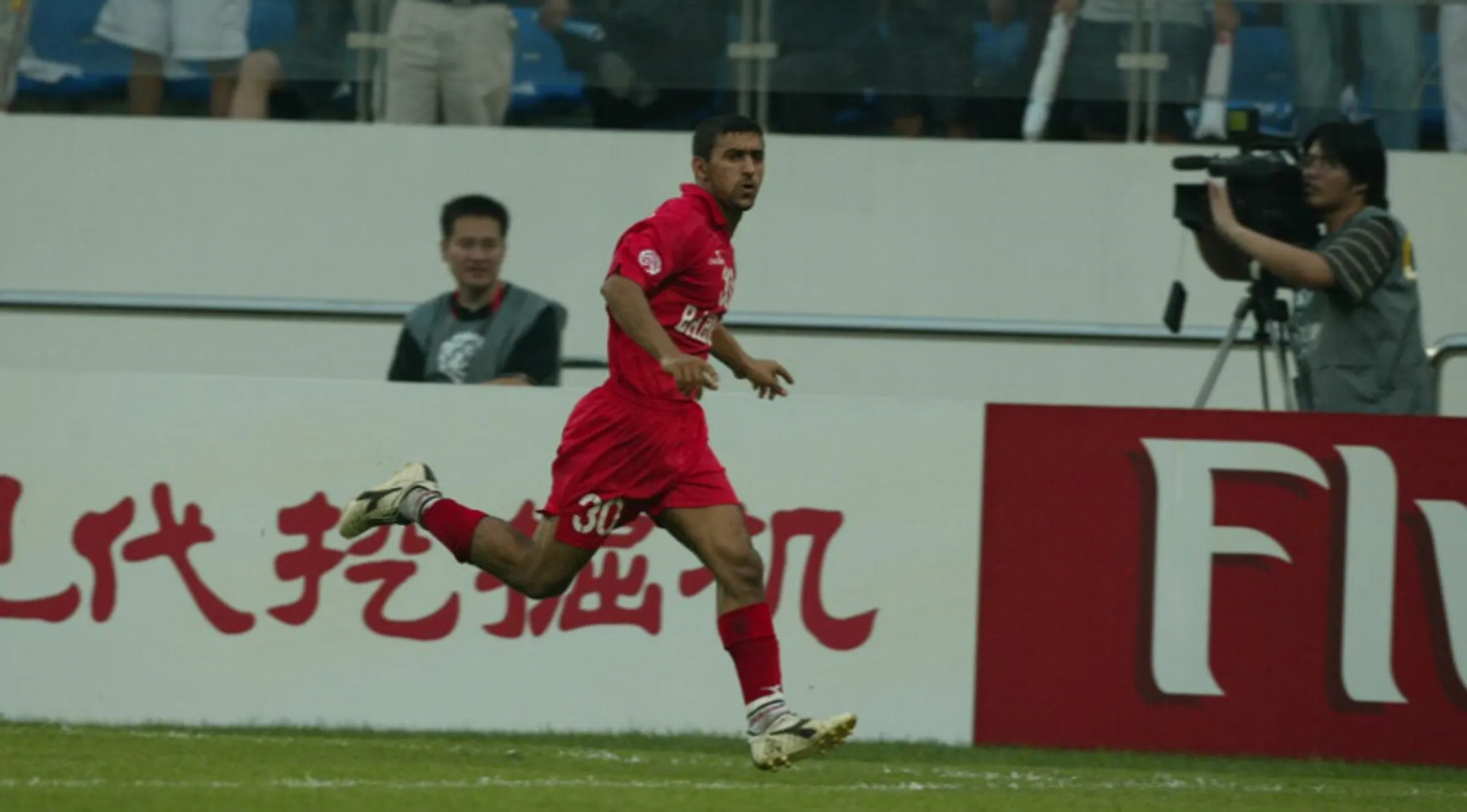
“We got used to the challenges, playing in China,” says Miyamoto. “I just concentrated on the game and tried to control my teammates. The first half they scored, then Koji Nakata was substituted on and he equalised with a header.”
Nakata had netted just after half-time before Keiji Tamada somehow put Japan in front in the 55th minute. Another goal from Hubail plus a strike five minutes from time by Duaij Naser left Japan in dire straits, staring at elimination once again. Defender Yuji Nakazawa, however, came to the rescue, scoring with a header in the 90th minute to take the game into extra-time.
“In extra-time, Tamada was superb, he was so quick. He was the best. Bahrain could have won the game, but surprisingly we got through.
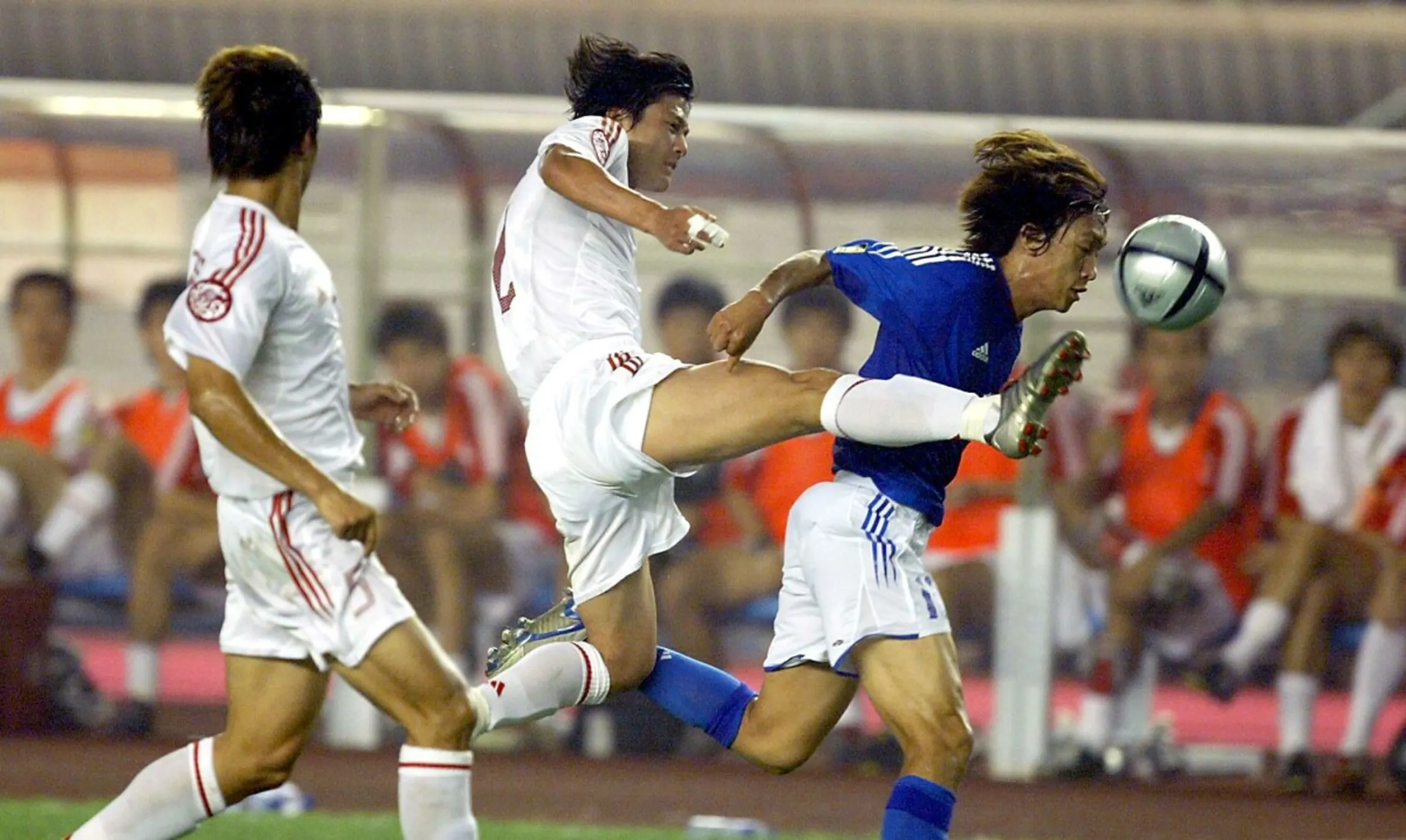
“Our target was to play against China in the final in Beijing. Everybody booed us, so we were so motivated to play against China. The time has come! We knew we would win the game, because of this. We had to.”
That victory set up a long-awaited match-up between the defending champions and the tournament hosts. Expectation on both sides was high, but it was Japan who took the lead through Takashi Fukunishi before Li Ming levelled for China. Nakata then netted a controversial second for Japan in the second half, the ball appearing to go in off his hand before Tamada wrapped it up late in the game.
Japan had triumphed, not only against the best in Asia but to the chagrin of more than a billion Chinese football fans.
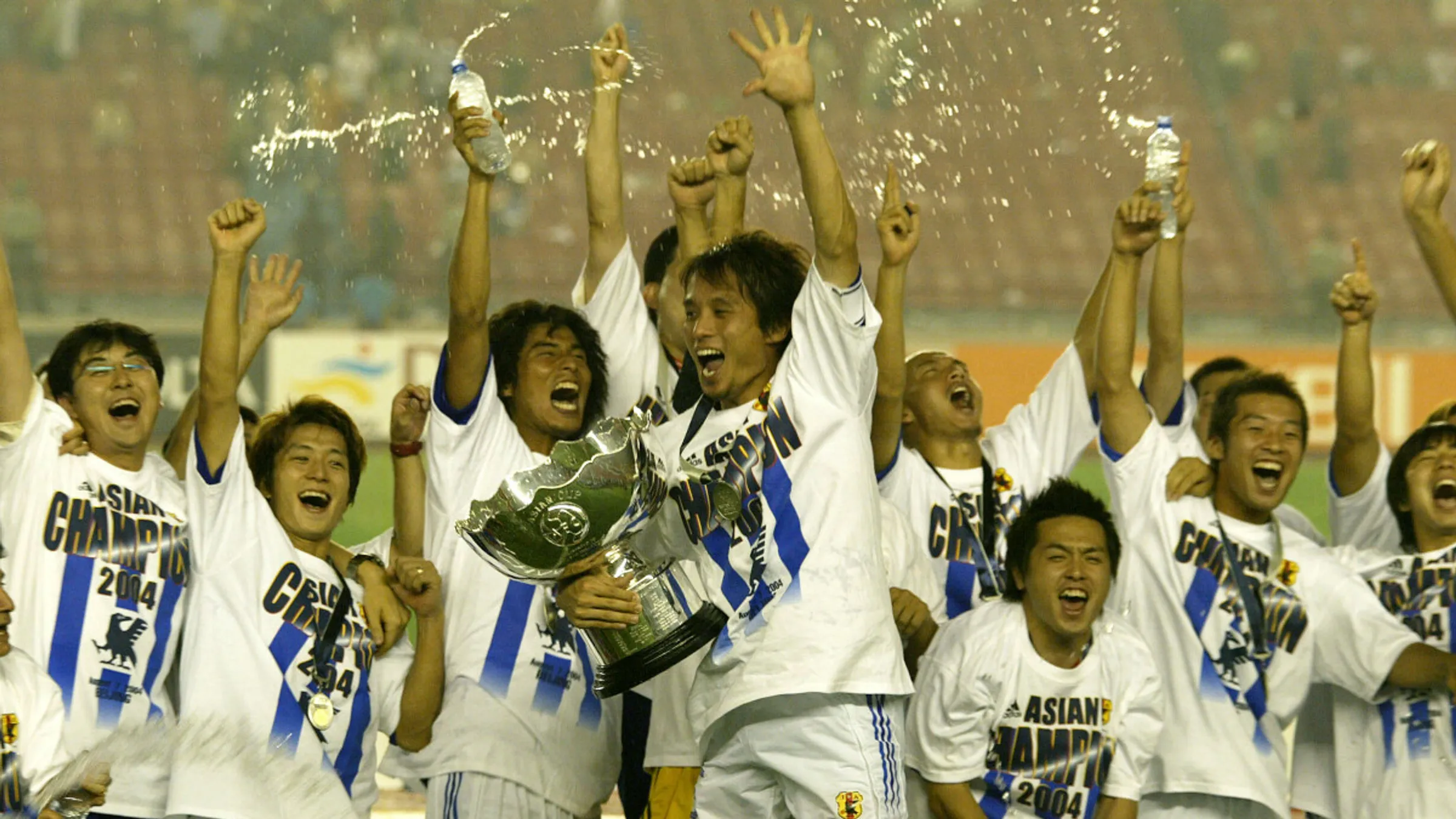
“The atmosphere was always very harsh towards Japan from the Chinese fans during that tournament,” says Miyamoto. “We just wanted to win; I just wanted to raise the Asian Cup.
“And then we won. I was relieved because at that time I realised I was under pressure, but we all hugged each other. Zico was happy. Everybody, not only the players who played but the others too, were so happy. They were very proud of the team. It was a good atmosphere.
“We had luck, motivation, drama, and Yoshikatsu. There were a lot of elements. When I see the picture of me raising the Cup, I’m so proud. It’s a big part of my life but I don’t see that picture that often.”
