


AFC Asian Cup
Five venues across the cities of Brisbane, Canberra, Melbourne, Newcastle and Sydney hosted the games with the Melbourne Rectangular Stadium hosting the opening match and Stadium Australia in Sydney hosting the final.
Of the 16 teams that competed in the previous edition in Qatar, 14 qualified to Australia 2015, with Oman returning to the competition at the expense of Syria while the qualification spot through the AFC Challenge Cup, earned by India in 2011, went to Palestine who would make their AFC Asian Cup debut in 2015.
Japan were riding high, arriving at the tournament as the most successful nation on the continent after winning their fourth title four years earlier, moving ahead of Saudi Arabia in the trophy table.
Japan were riding high, arriving at the tournament as the most successful nation on the continent after winning their fourth title four years earlier, moving ahead of Saudi Arabia in the trophy table.
A Cruise for the Socceroos
With many members of Australia’s so-called ‘Golden Generation’ hanging their boots, including the likes of Harry Kewell, Lucas Neill and Mark Schwarzer, there were question marks on whether the Socceroos would shine on home soil.
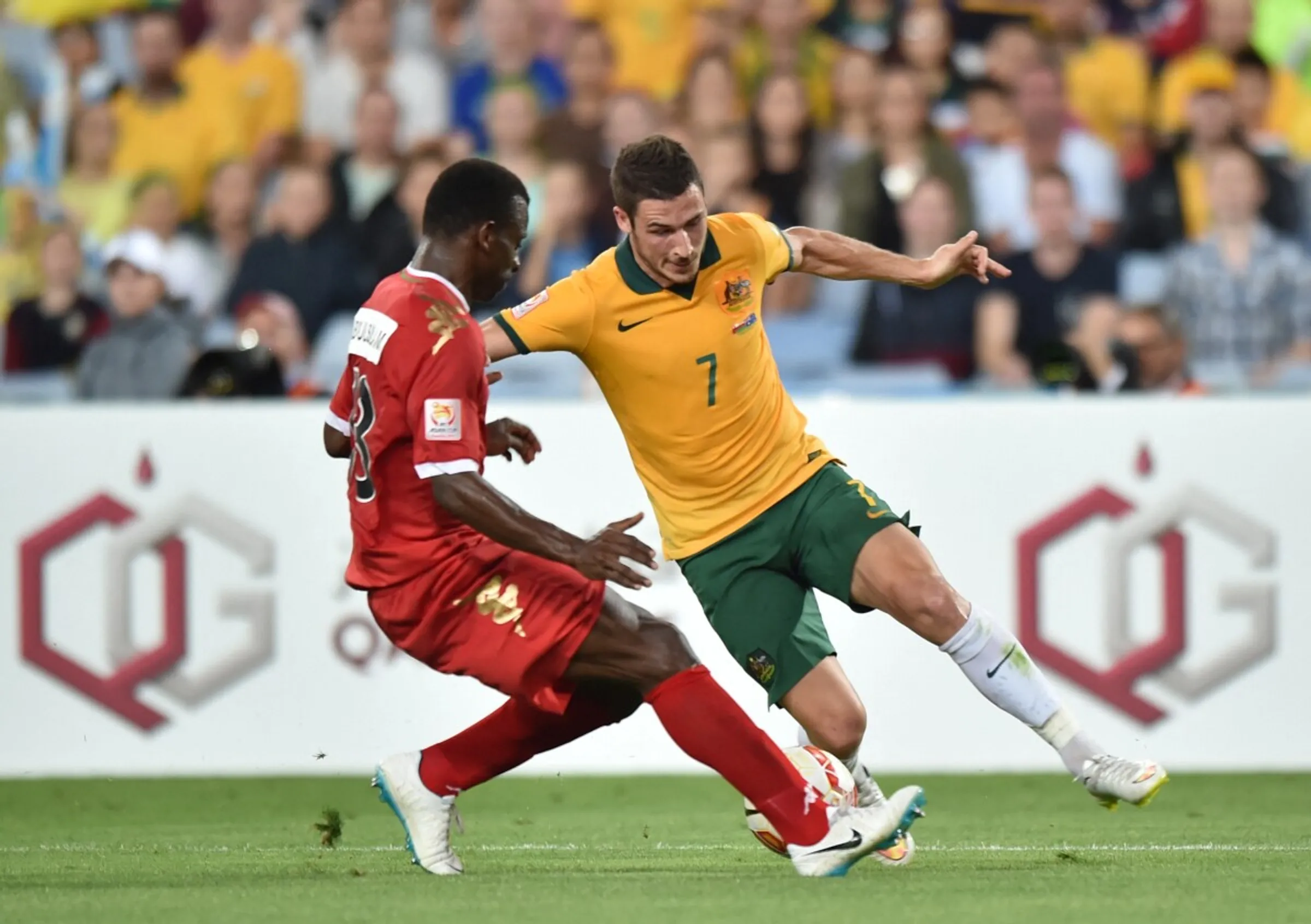
Shine they did as the experience of Tim Cahill and Mile Jedinak combined with the youthful talents of Massimo Luongo, Trent Sainsbury and Matthew Leckie saw them to cruise to the very top. By the time Matchday Three arrived, the Socceroos had already advanced to the quarter-finals thanks to 4-1 and 4-0 wins over Kuwait and Oman respectively, and with eight different players on the scoresheet.
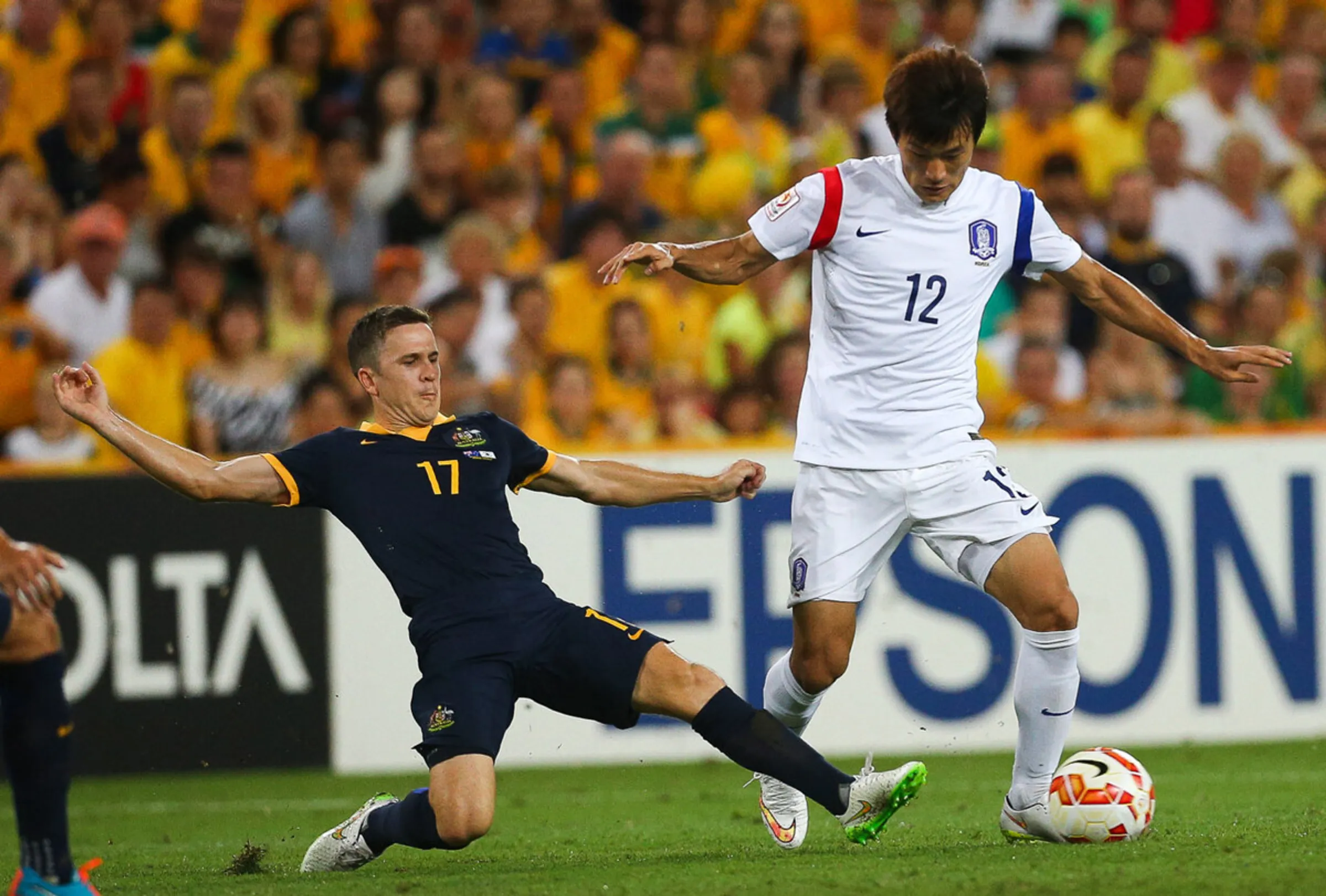
Korea Republic took the more pragmatic route and emerged top of the group with three 1-0 wins, Lee Jung-hyup’s close-range finish consigned Australia to finish runners-up in the group, but the two sides would cross paths later on in the tournament.
Saudi Arabia flatter to deceive, China PR bounce back
Three of the sides in Group B; Saudi Arabia, China PR and DPR Korea, exited the previous edition in the group stage and the pressure was on from the start.
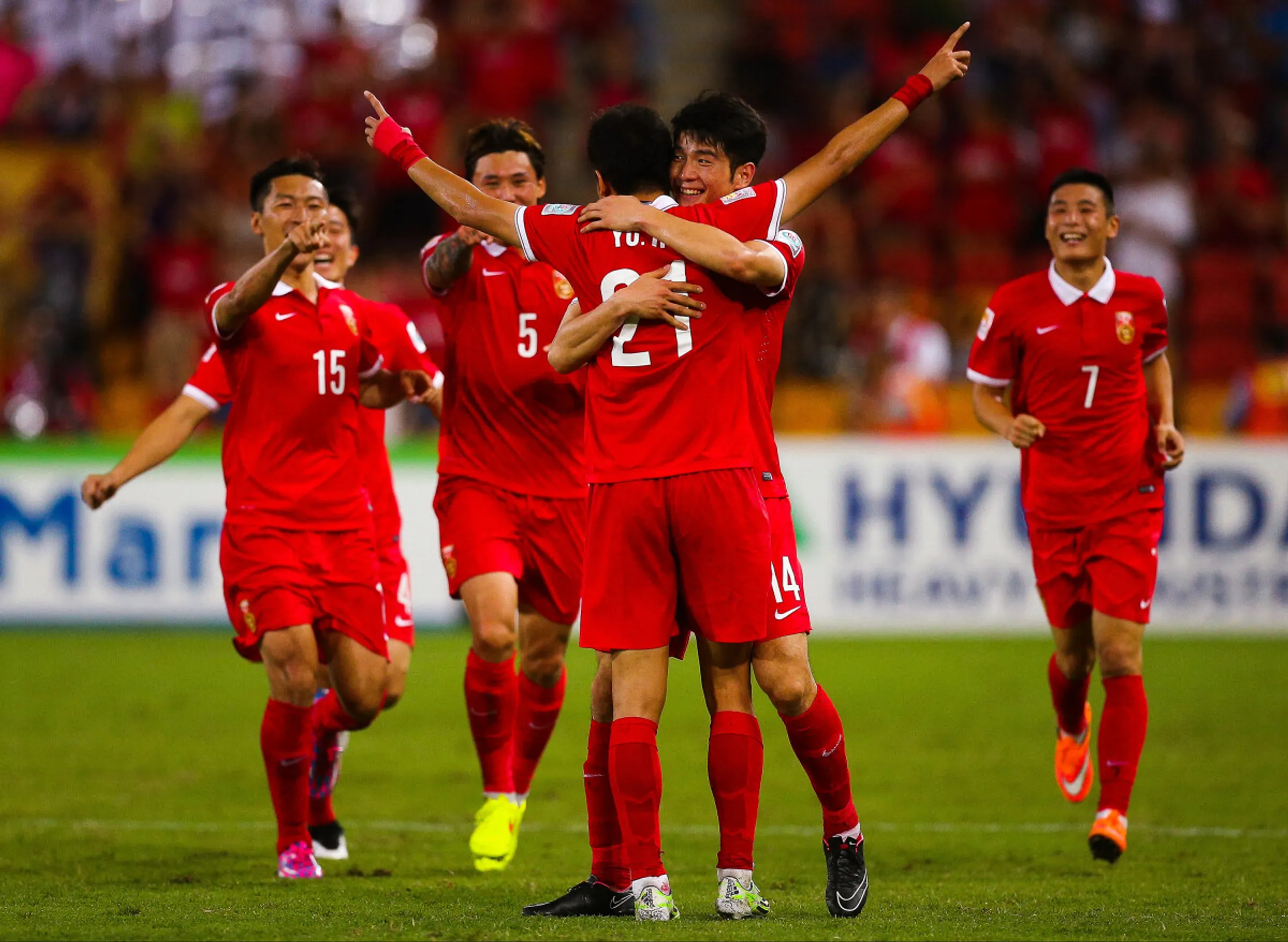
Fortune was not on Saudi Arabia’s side in their opening game as Naif Hazazi missed from the spot and Yu Hai’s free-kick deflected off the wall and into the back of their net to win it late for China PR.
Both Hazazi and the Green Falcons redeemed themselves as the forward opened the scoring in a 4-1 win over DPR Korea, but all hopes vanished after a 3-1 reversal against Uzbekistan who joined China PR in the quarter-finals, leaving Saudi Arabia to suffer group stage exit agony for the second time in a row.
Record-breaking Mabkhout and Perfect Team Melli
Group C of the 2015 AFC Asian Cup saw a long standing record broken as UAE forward Ali Mabkhout got on the end of Omar Abdulrahman’s overhead pass and found the back of the Bahrain net after just 14 seconds, improving on Fathi Kameel’s record of the fastest goal in the competition’s history from 1976 by six seconds.
Group C of the 2015 AFC Asian Cup saw a long standing record broken as UAE forward Ali Mabkhout got on the end of Omar Abdulrahman’s overhead pass and found the back of the Bahrain net after just 14 seconds, improving on Fathi Kameel’s record of the fastest goal in the competition’s history from 1976 by six seconds.
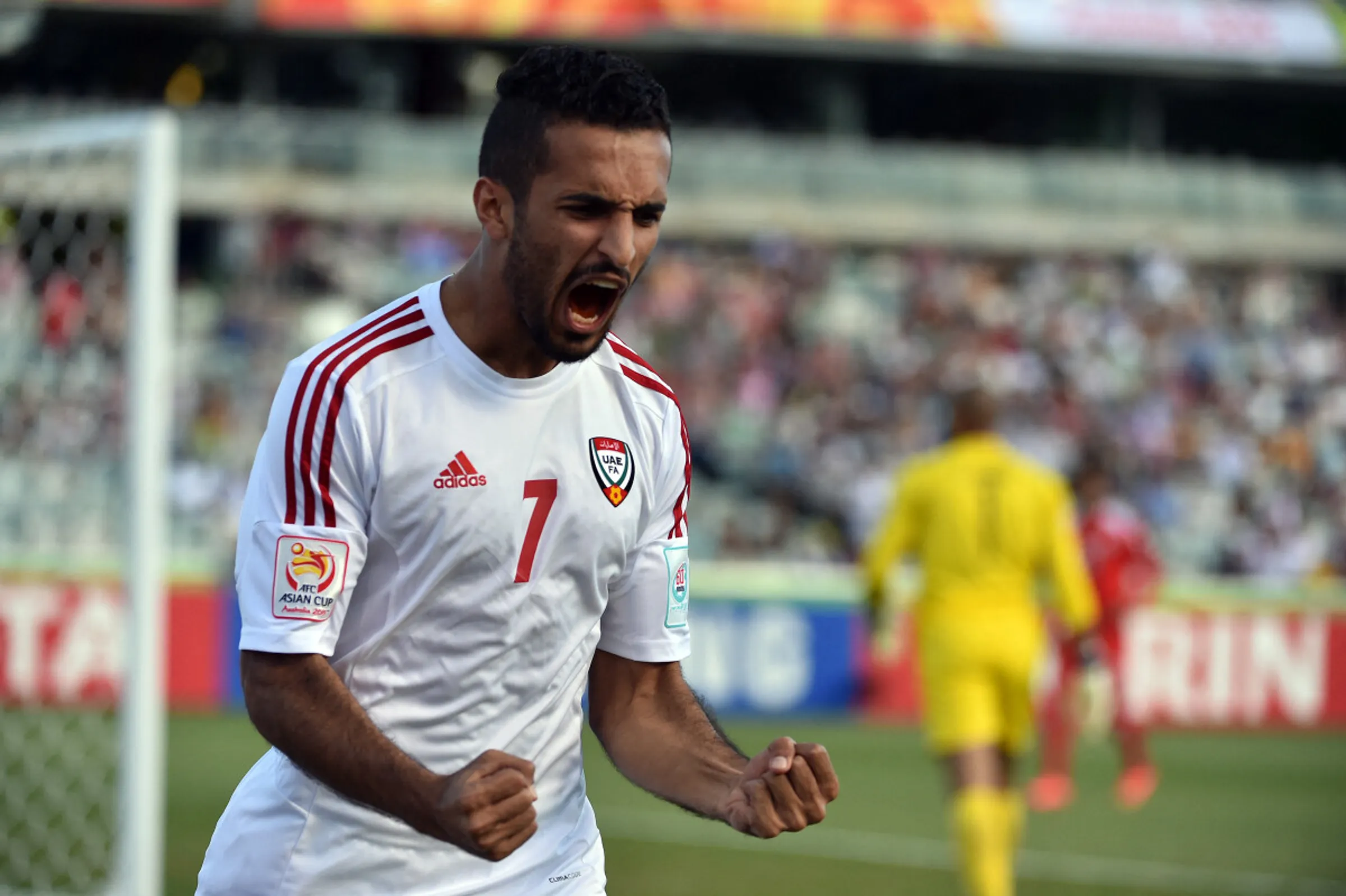
It was Mabkhout’s third goal in two games, having bagged a brace against Qatar on Matchday One, he would go on to add two more to become the first Emirati to win the AFC Asian Cup top scorer award.
Meanwhile, Islamic Republic of Iran demonstrated Carlos Queiroz’s defence-first approach, keeping three clean sheets and topping the group with full marks, and their 1-0 win over Qatar saw the introduction of a young Sardar Azmoun to the map of Asian football with an exquisite finish on the turn.
Meanwhile, Islamic Republic of Iran demonstrated Carlos Queiroz’s defence-first approach, keeping three clean sheets and topping the group with full marks, and their 1-0 win over Qatar saw the introduction of a young Sardar Azmoun to the map of Asian football with an exquisite finish on the turn.
Warning sign for the champions
Neighbours Iraq, Jordan and Palestine battled for second place in Group D which was won by reigning champions Japan. MVP of the previous edition Keisuke Honda scored in all three group games as the Samurai Blue collected nine points.
Neighbours Iraq, Jordan and Palestine battled for second place in Group D which was won by reigning champions Japan. MVP of the previous edition Keisuke Honda scored in all three group games as the Samurai Blue collected nine points.
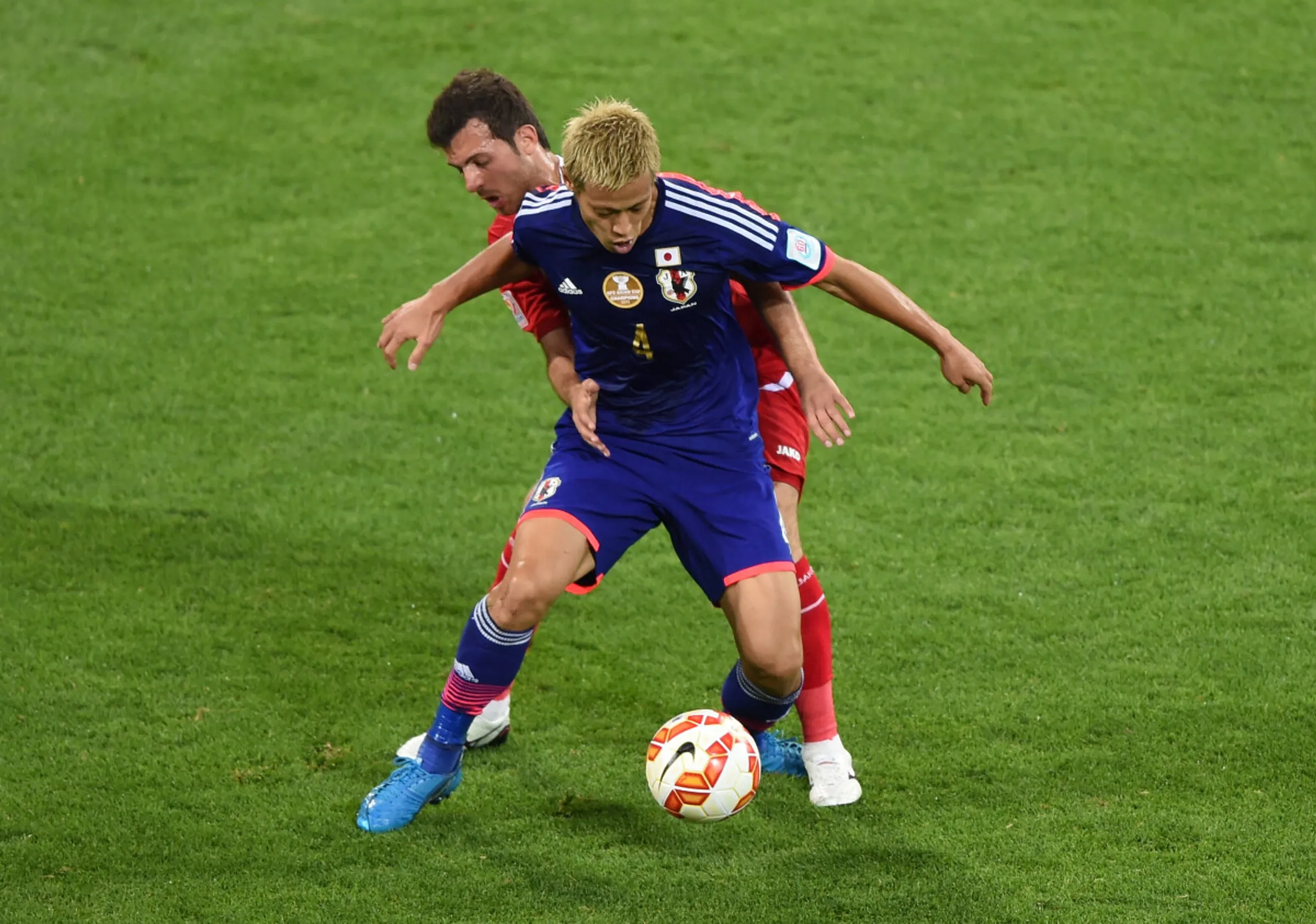
Honda wasn’t the only star performer in the group; Jordan’s Hamza Al Dardour was in red hot form as he amassed four against Palestine, becoming only the fourth player in AFC Asian Cup history to do so after IR Iran’s Behtash Fariba (1980), Ali Daei (1996) and Bahrain’s Ismail Abdullatif (2015).
When all was done and dusted in Group D, Yasser Kasim’s second-half solo effort against Jordan on Matchday One proved to be the difference as Iraq pipped Jordan to second place and a spot in the quarter-finals.
When all was done and dusted in Group D, Yasser Kasim’s second-half solo effort against Jordan on Matchday One proved to be the difference as Iraq pipped Jordan to second place and a spot in the quarter-finals.
Panenkas and Pride
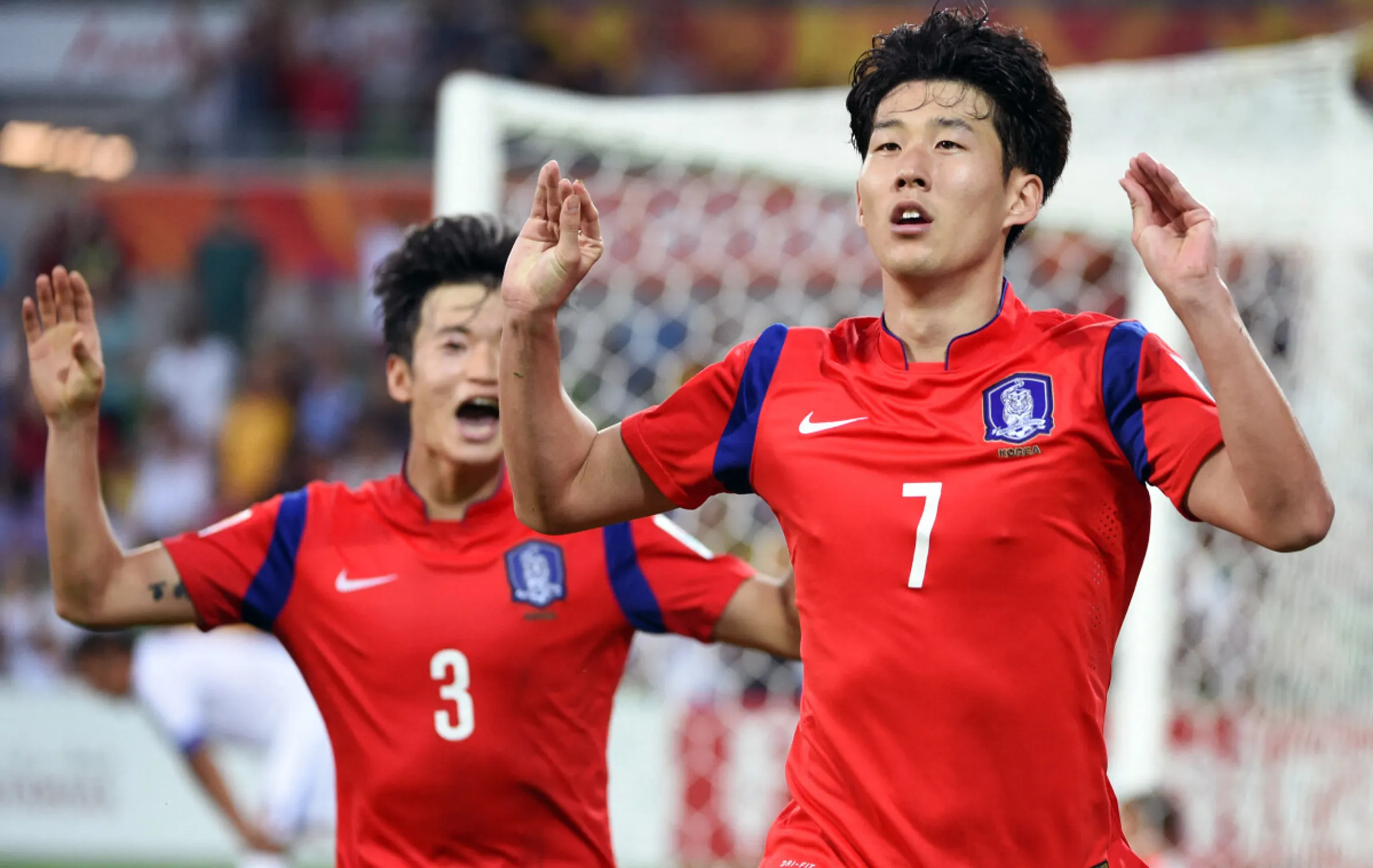
Just as with Azmoun, 2015 was the tournament Son Heung-min excelled on the continental stage, and nowhere was his impact more evident than against Uzbekistan in the quarter-finals.
After regular time ended goalless, the current Tottenham Hotspur star stepped up to bag an extra-time brace to send Korea Republic into the semi-finals for the third time in a row.
Having met in the 2011 group stage, archrivals Iraq and IR Iran found themselves head-to-head again in Canberra with a lot more at stake this time.
An all-time AFC Asian Cup classic ensued as a 1-1 regular time draw turned into a 3-3 tie after 120 minutes with Dhurgham Ismail and Reza Ghoochenejhad scoring inside the final four minutes of extra time.
An all-time AFC Asian Cup classic ensued as a 1-1 regular time draw turned into a 3-3 tie after 120 minutes with Dhurgham Ismail and Reza Ghoochenejhad scoring inside the final four minutes of extra time.
It took eight spot kicks for each side before Vahid Amiri missed and the Lions of Mesopotamia advanced to the last four, but the highlight of the shootout was talisman Younis Mahmoud’s iconic Panenka.
Hours later in Sydney there would be similar scenes as one of the tournaments bonafide stars, Omar Abdulrahman, showed just as much composure to open the UAE’s shootout journey with his own Panenka, and Shinji Kagawa was eventually the unlucky Japan player to miss the last spot-kick, leaving the Whites to secure a famous victory and reach their second-ever semi-finals, having finished runners-up on home soil in 1996.
There was joy in Brisbane as the hosts continued their march with two goals from Tim Cahill settling their quarter-final against China PR.
There was joy in Brisbane as the hosts continued their march with two goals from Tim Cahill settling their quarter-final against China PR.
Green and Gold Glory
Two nearly identical semi-finals saw Australia and Korea Republic overcome UAE and Iraq respectively with 2-0 scorelines.
Two nearly identical semi-finals saw Australia and Korea Republic overcome UAE and Iraq respectively with 2-0 scorelines.
Mabkhout’s fifth goal of the campaign allowed coach Mahdi Ali’s men to collect the bronze medals after a 3-2 win over Iraq, but the next day all eyes were on Stadium Australia where there would be a repeat of the Group A match and a host nation dreaming of glory.
Star men Cahill and Son missed big chances in the early proceedings, but it was would-be MVP Luongo who broke the deadlock just before the break. His turn and strike from 25 yards out were worthy of being the goal to end Korea Republic’s run of 562 minutes without conceding in the competition.
Star men Cahill and Son missed big chances in the early proceedings, but it was would-be MVP Luongo who broke the deadlock just before the break. His turn and strike from 25 yards out were worthy of being the goal to end Korea Republic’s run of 562 minutes without conceding in the competition.
Just as the nation prepared to celebrate, Son showed exactly why he had become one of the continent’s highest rated stars, equalising in the last breath of the game to force extra time.
Current Celtic boss Ange Postecoglou watched his two substitutes Tomi Juric and James Troisi combine to win the final for Australia. Juric showed his commitment to the high press game favoured by his boss, to steal possession from Korea Republic’s left-back Kim Jin-su deep into the opposition’s half and muscled him out to square for Juric who was left to do what he does best and apply the finishing touch after a failed clearance from goalkeeper Kim Jin-hyeon.
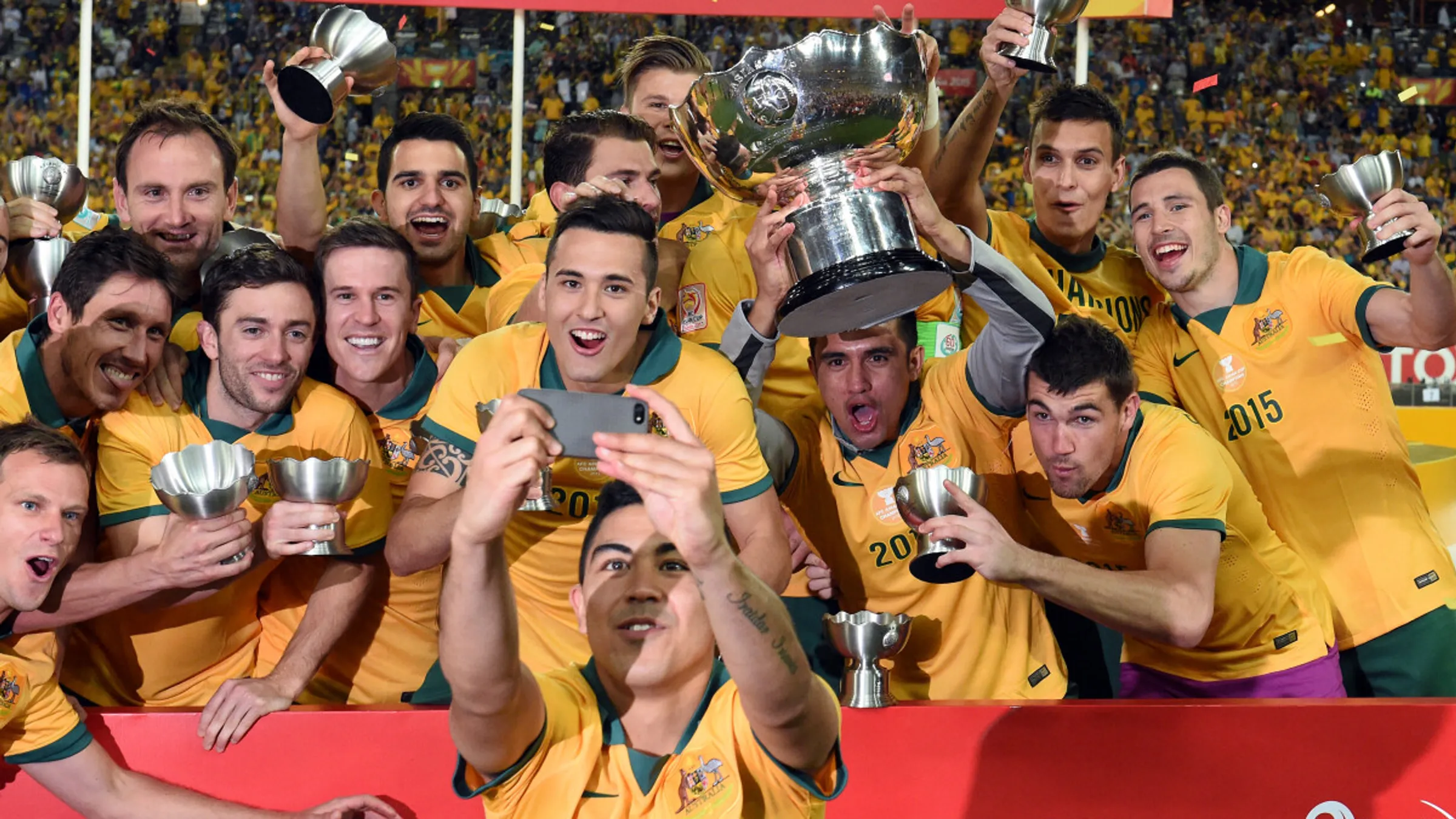
Australia had arrived at the summit of Asian football, becoming the ninth different nation to win the AFC Asian Cup as a memorable celebration of the beautiful game in the continent concluded with a date to meet again in the UAE in four years’ time.
Photos: AFP
Related News
- Domestic Leagues
Shandong Taishan edge Shanghai Port to win CFA Cup
- Africa Cup of Nations
30 Players Represent AFC Clubs in the 2021 Africa Cup of Nations
- Domestic Leagues
Al Jazira lift UAE Super Cup
- AFC Asian Cup
Remembering the 2011 AFC Asian Cup
- Domestic Leagues
Al Hilal defeat Al Faisaly to clinch Saudi Super Cup

Item 1 of 5