


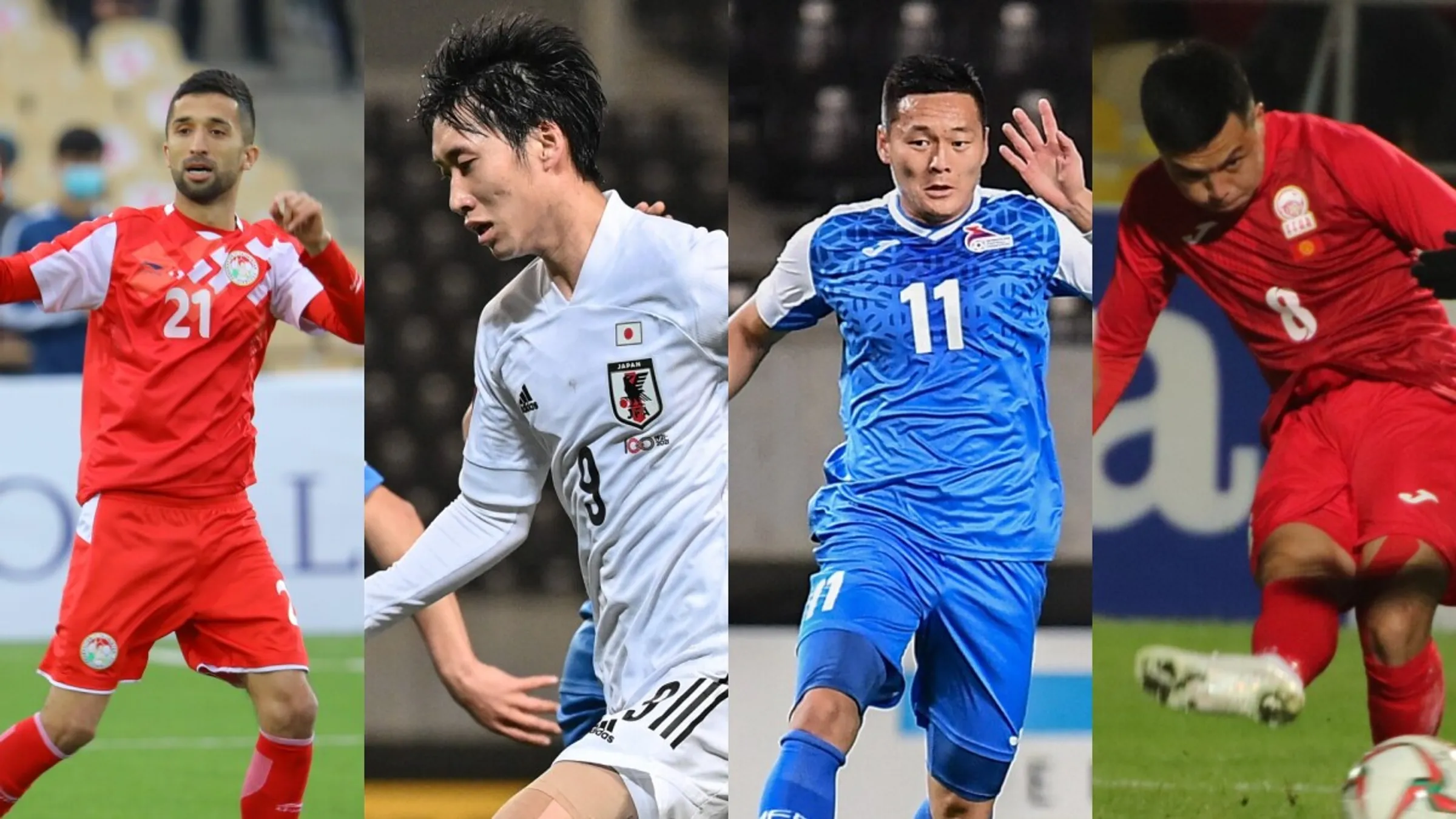
Runaway leaders Japan would need to suffer an unprecedented collapse on home soil to squander top spot, but the race for second is well and truly alive, with Tajikistan, Kyrgyz Republic and Myanmar all battling for the chance to advance as one of the best runners-up.
Dreams are at stake on the road to FIFA World Cup Qatar 2022 and AFC Asian Cup China 2023, and we’ve got all you need to know about the matches ahead, including the venues, state of play and the key men to keep an eye on.
The Venues
One of only two groups which will make use of three different venues in the coming weeks, Japan will play host to Group F’s six remaining matches.
The group hosts will face Myanmar in Chiba on May 28, before the action heads west to Osaka Prefecture, which will provide the backdrop for five matches in nine days as each side jostles for places.
Chiba’s 19,000-capacity Fukuda Denshi Arena hosted international football as recently as March 30, when Japan piled on 14 goals against Mongolia, but more regularly serves as the home of J2 League outfit JEF United Chiba.
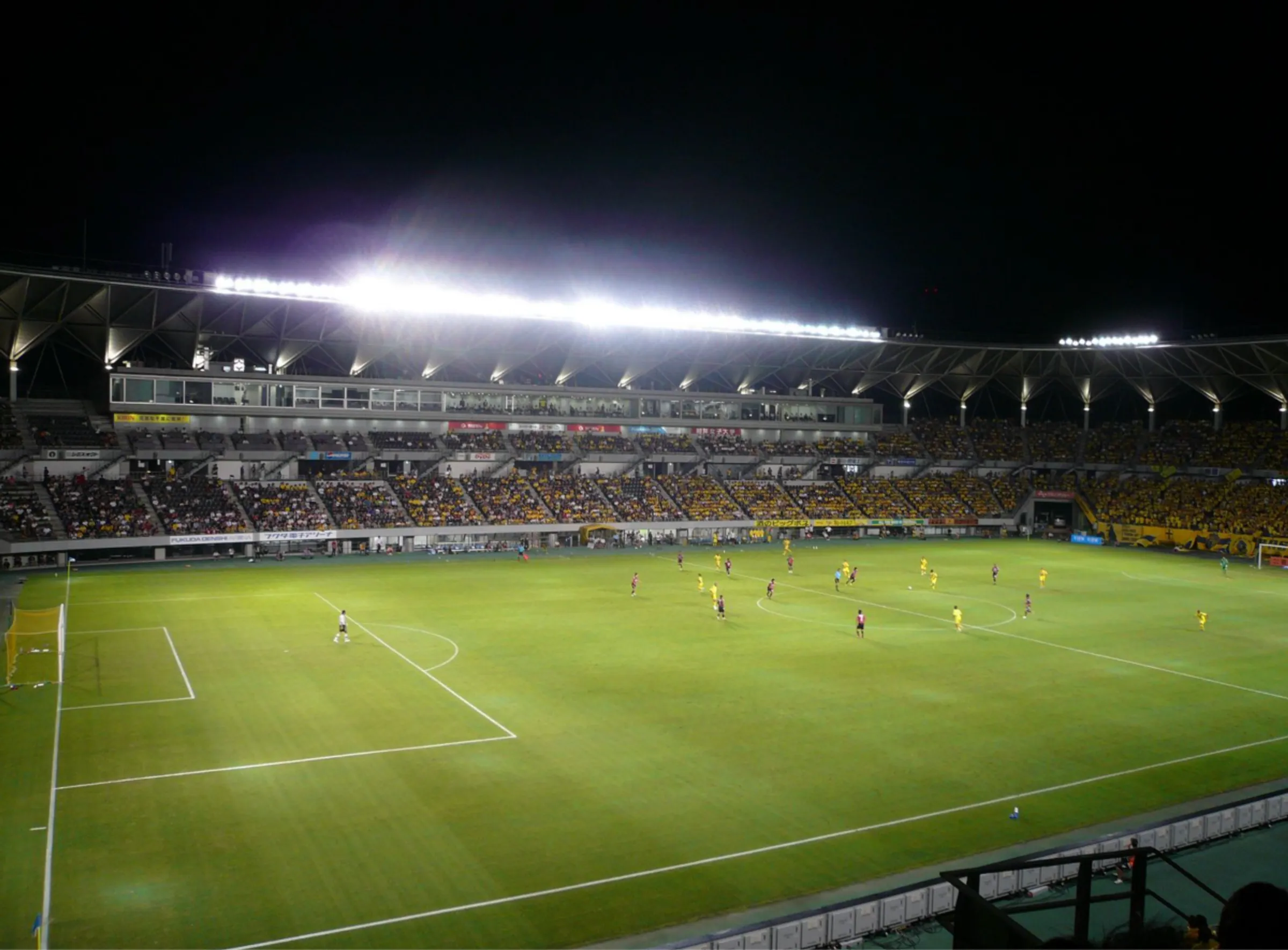
The Osaka venues are both home to J1 clubs, with Japan’s two matches in the city – against Tajikistan and Kyrgyz Republic – to be held at Gamba Osaka’s impressively modern 40,000-seat Suita City Football Stadium.
Yanmar Stadium Nagai will be the stage for the remaining three matches, with every team in the group except for the hosts to experience the venue which Cerezo Osaka has called home for a quarter of a century.
The vast 47,000-capacity stadium hosted three matches in the 2002 FIFA World Cup, with Hiroaki Morishima and Hidetoshi Nakata scoring there against Tunisia to send the Samurai Blue to the Round of 16.
The venue also hosted the World Athletics Championship in 2007.

Asian Qualifiers - Preview: Group F
The Group in Context
With a remarkable record of five wins from five and 27 unanswered goals to their name, Japan have more than lived up to their billing as the group’s top seeds, and a win against Myanmar on Friday will wrap up top spot even before the remaining three teams arrive in the country.
Thumping 6-0 and 14-0 wins over Mongolia have done much for Hajime Moriyasu’s side’s startling goal difference, but it was the highly professional away wins in Yangon, Bishkek and Dushanbe which laid the foundation for their dominance, with no other side able to lay a glove on them thus far.
Interestingly, Moriyasu has named two separate squads for the matches ahead, with 12 players including senior names like captain Maya Yoshida, Wataru Endo and Hiroki Sakai to link up with the national U-23 team following Friday’s clash against Myanmar.
Outside of Japan’s anticipated advance to the Third Round, much of the interest in the group will be focused on the battle for second between Central Asian neighbours Tajikistan and Kyrgyz Republic.
The Tajiks have never qualified for the AFC Asian Cup, much less the FIFA World Cup, but Usmon Toshev’s side have given themselves a fighting chance with 10 points from six matches; their 1-0 win over Kyrgyz Republic way back on Matchday One still standing out as arguably the group’s most significant result.
While Tajikistan played and beat Mongolia 3-0 in March, Kyrgyz Republic haven’t played a match since before the pandemic began, with their outstanding 7-0 win over Myanmar on Matchday Three seemingly from a different age.
Three points behind Tajikistan, but with a game in hand, Alexander Krestinin’s side will resume their campaign against Mongolia on June 7, but they’ll have to do so without captain and defensive lynchpin Valeriy Kichin, who is due to serve a suspension.

Like Kyrgyz Republic, Myanmar haven’t played on the international stage since November 2019, with head coach Antoine Hey hoping to build on their tally of six points in five matches, with second place the best they can mathematically hope for.
In fact, the only team in the group whose Qatar 2022 hopes have been officially dashed are Mongolia, whose tally of three points in seven matches means their June 7 match, against Kyrgyz Republic, will be their last in the group.
The East Asian outfit will look to benefit from the local knowledge of their new boss Shuichi Mase, who replaced Rastislav last month.
Key Players
Daichi Kamada – Japan
As one of the 14 players selected for both of Moriyasu’s dual squads, attacking midfielder Daichi Kamada will have the opportunity to make these Asian Qualifiers his own over the coming weeks.
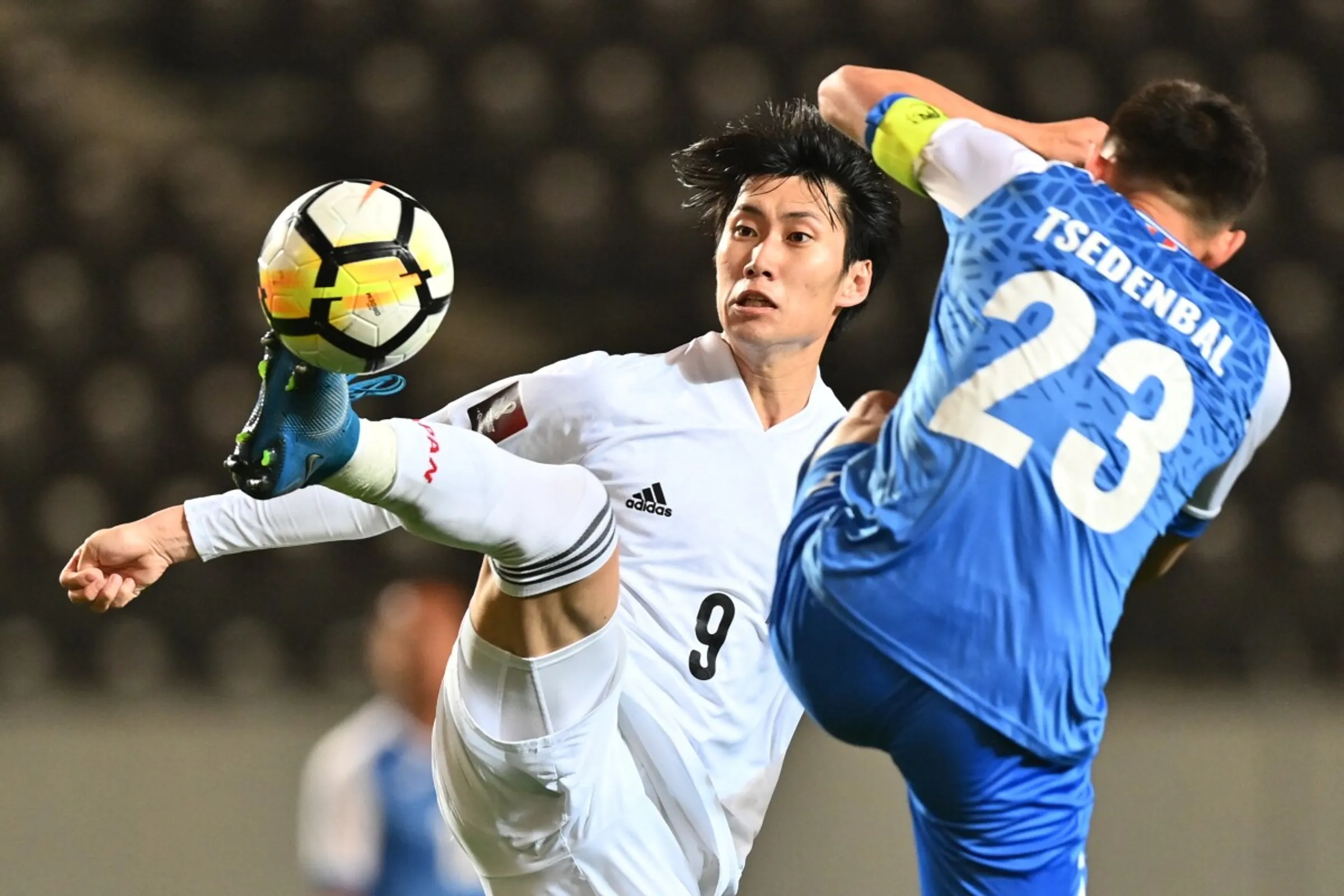
With another impressive Bundesliga season under his belt for Eintracht Frankfurt – including a Player of the Match performance against Bayern Munich in February – 24-year-old Kamada is approaching his peak years and is sure to cause headaches for his opponents in the coming weeks.
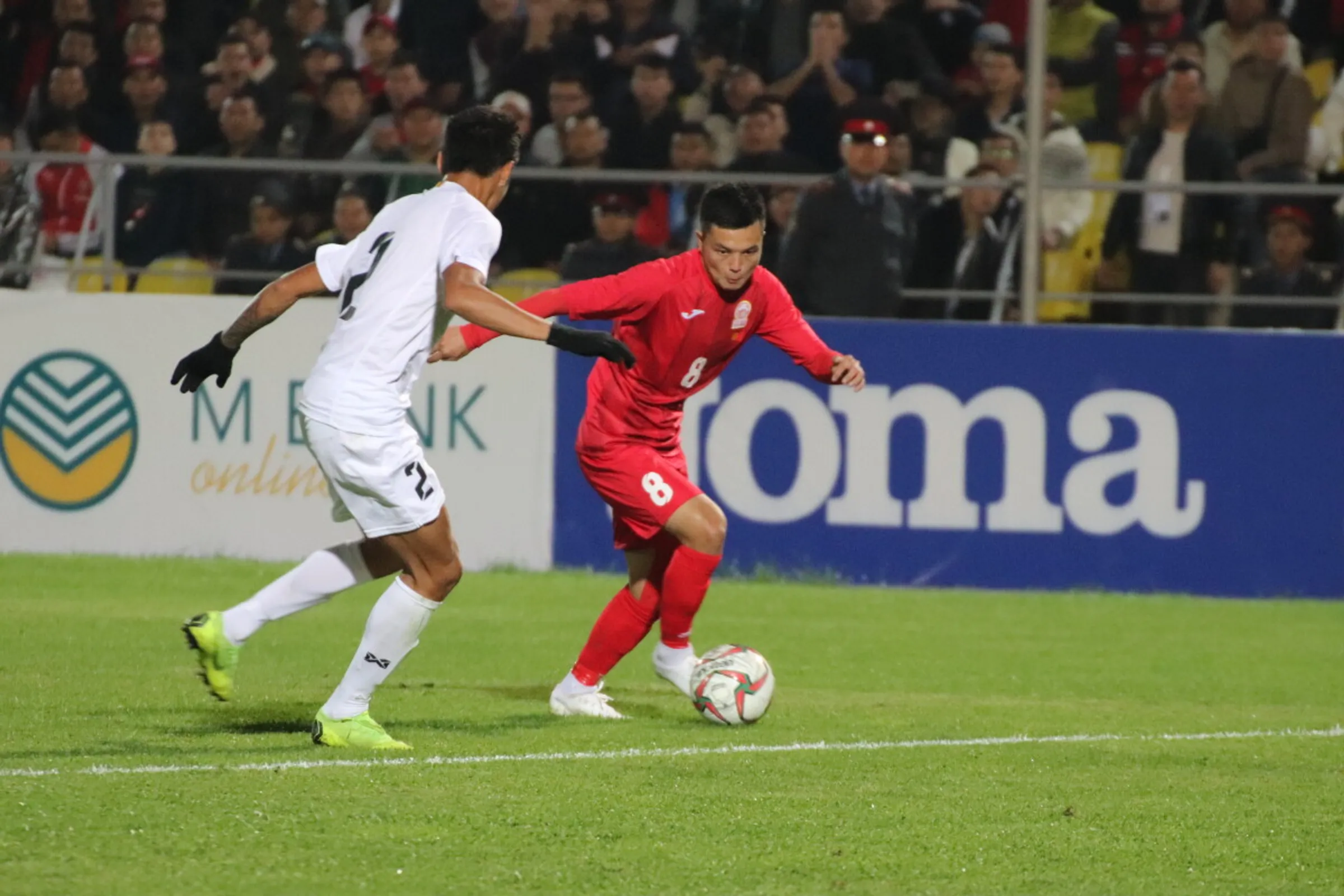
Gulzhigit Alykulov – Kyrgyz Republic
An exciting 18-year-old newcomer when Kyrgyz Republic played their earlier matches on the Road to Qatar, Gulzhigit Alykulov has since been crowned his country’s Player of the Year and ended a title drought for Kazakhstan’s FC Kairat.
A skillful winger who loves nothing more than to take on defenders, an in-form Alykulov will go a long way towards helping the Akshumkar claim second place.
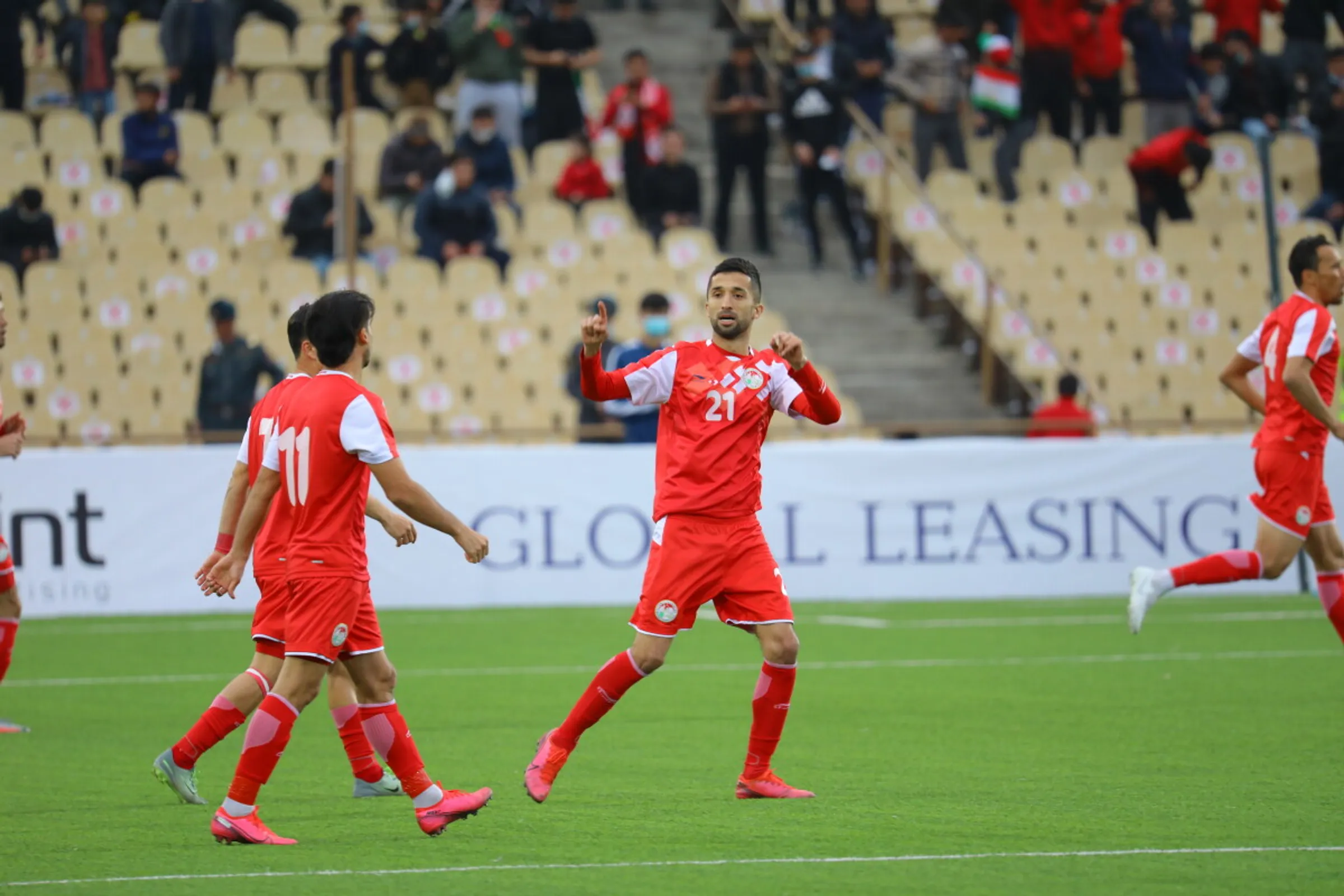
Manuchehr Dzhalilov – Tajikistan
Already Tajikistan’s greatest goal scorer at national team level, Manuchehr Dzhalilov showcased his quality to a whole new audience during FC Istiklol’s sensational run to the AFC Champions League Round of 16 last month.
Three crucial goals, including a brace against Saudi giants Al Hilal, put Dzhalilov’s name up in the lights on a bigger stage than ever before, now he’ll be aiming to keep the good times rolling in the Tajikistan shirt.
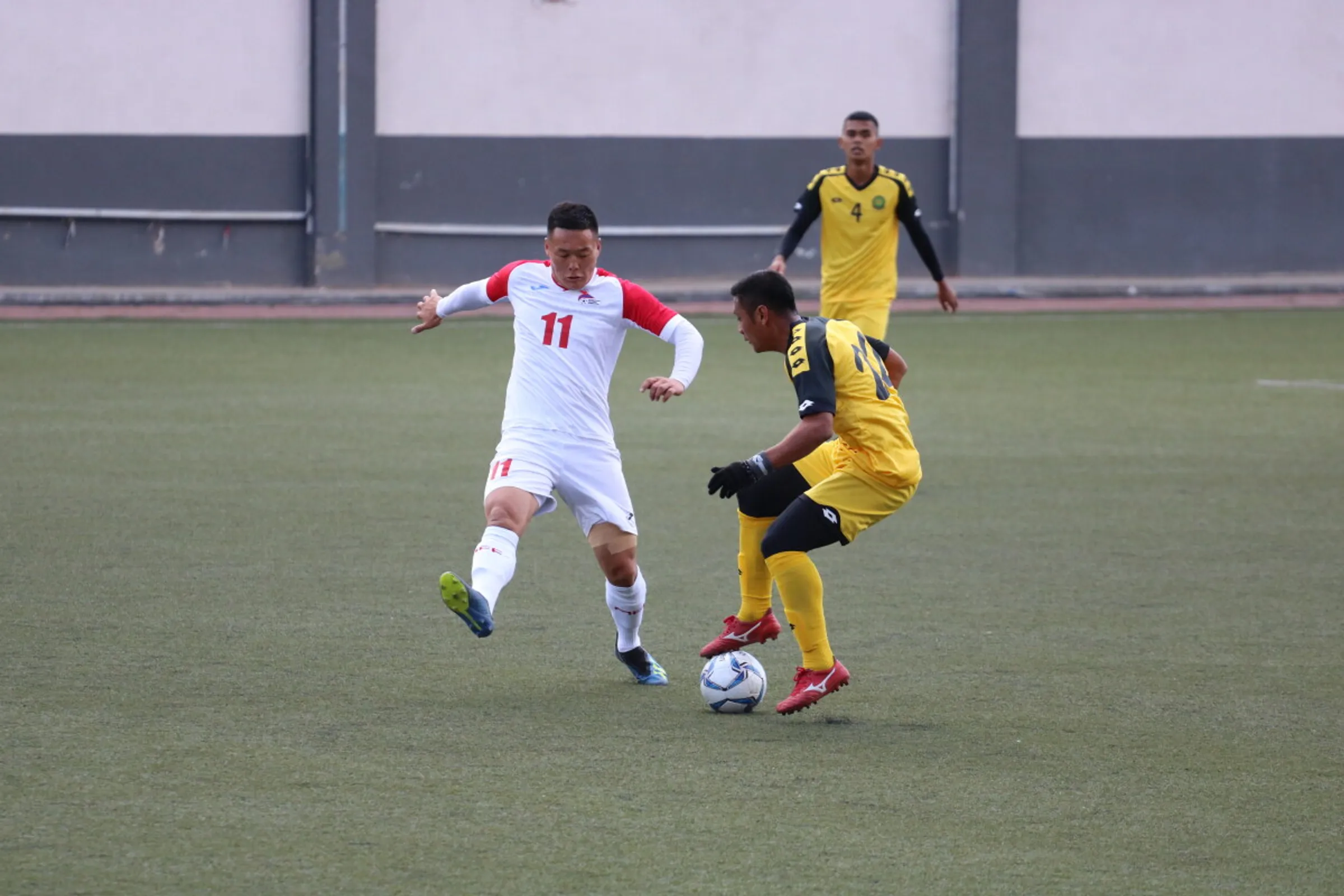
Naranbold Nyam-Osor – Mongolia
They’ve managed just two goals in seven matches in these Qualifiers, but if anyone is going to give Mongolia an attacking spark in their final Group F match, it's likely to be Naranbold Nyam-Osor.
The 29-year-old was lethal for league champions Athletic 220 FC last season, bagging 29 goals in the 18-round season to account for over 50 percent of his club’s scoring.
